25 Outdoor Planter Box Ideas to Elevate Your Garden Style
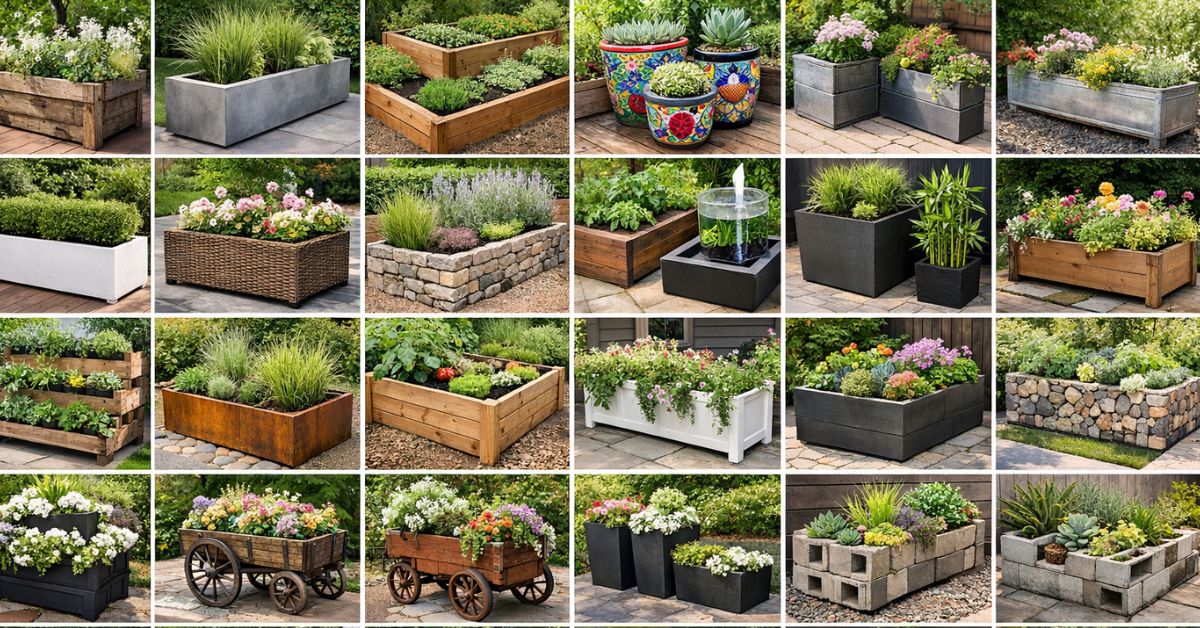
Outdoor planter boxes are the smartest way to take control of your garden. They give you better soil, perfect drainage, and the ability to move plants exactly where they need to be. Whether you have a tiny balcony or a sprawling backyard, these 25 ideas will transform your space into a lush, productive, and beautiful garden.
Why Planter Boxes Beat Traditional Beds
Outdoor planter boxes outperform in ground gardens by a wide margin. Raised beds warm up faster in spring, drain better after heavy rain, and let you avoid poor native soil. You can fill them with a custom mix that feeds roots perfectly. In hot climates, light colored boxes reflect heat and keep roots up to 10°C cooler than ground level. In cold zones, insulated boxes extend your growing season by weeks. Plus, the elevated height saves your back and keeps slugs and snails away.
Now let’s explore 25 ideas, from simple weekend projects to statement pieces.
Idea 1: Interlocking Modular Towers

Stackable cedar boxes that click together without nails or screws. Each tier is 12 inches tall and 18 inches wide. Plant sun loving herbs like rosemary and thyme at the top, then shade tolerant leafy greens at the bottom. A set of three towers occupies only 4 square feet but holds up to 80 plants. Commercial kits start at $160, or you can cut your own from 1×12 cedar boards.
Idea 2: Pocketed Living Walls
A wooden frame covered with felt pouches creates a vertical garden that thrives in small spaces. Each pocket holds a small plant and its own soil. Trailing nasturtiums spill down while upright salvias add height. This design cools buildings naturally as water evaporates from the leaves. Build one for under $100 using pressure treated lumber and heavy duty landscaping felt.
Idea 3: Pyramid Corner Units
Weld rebar into a pyramid shape and wrap with expanded metal mesh. Fill with lightweight soil mix and plant succulents or trailing vines. The angled sides shed rain and allow plants to self prune. This design survives desert heat that would cook ordinary planters. A 4 foot pyramid holds 30 plants and costs about $80 in materials.
Idea 4: Ladder Style Cascades
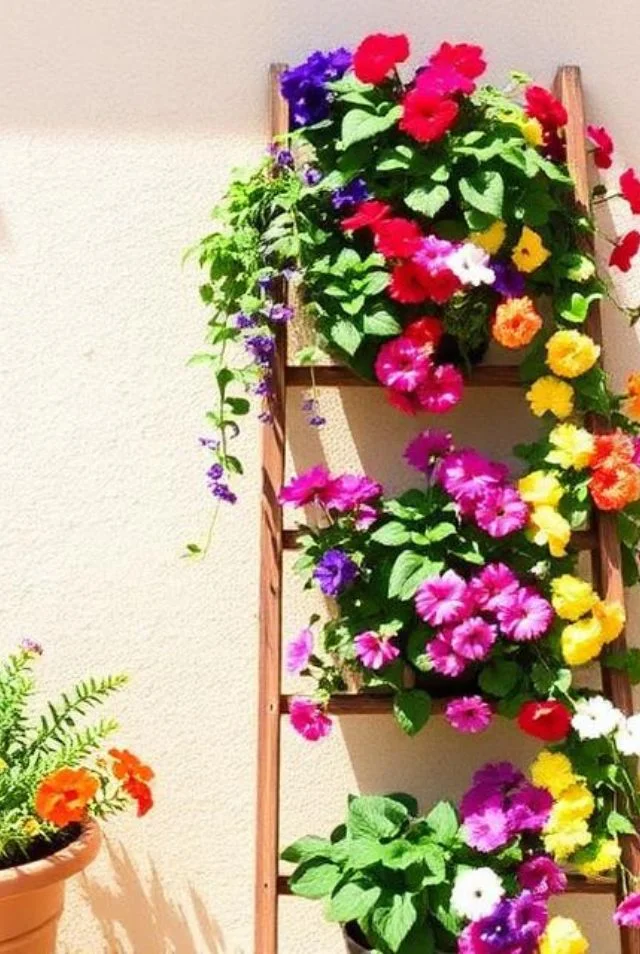
Take an old wooden ladder, remove the top rungs, and line each step with coconut coir. Plant petunias, lobelia, or sweet potato vines that spill down three feet or more. Lean the ladder against a sunny wall.Outdoor planter boxes whimsical design became a Pinterest sensation for good reason. It’s cheap, easy, and delivers a waterfall of color all summer.
Idea 5: Hydroponic Vertical Stacks
PVC pipes cut with holes and fitted with nutrient film technique channels let you grow lettuce, herbs, and strawberries without soil. Use the Kratky method with no pumps or electricity. Outdoor planter boxes fill the reservoir once a week. A 6 foot tall stack produces a salad every three days from just 2 square feet of floor space. Total cost under $120.
Idea 6: Halved Whiskey Barrels
Used whiskey barrels cost about $25 each. Cut them in half lengthwise, drill drainage holes, and char the inside lightly to prevent rot. Dwarf fig trees or compact tomatoes thrive in these deep containers. One Texas gardener harvested 80 figs from three barrels. The rustic wood adds instant charm to any patio.
Idea 7: Pallet Vertical Frames
Look for pallets stamped ISPM 15, which means they are heat treated and safe for gardening. Stand the pallet upright, staple burlap to the back and sides, then fill with soil through the top slats. Plant herbs like basil, chives, and mint in each opening. A single pallet holds 20 plants and costs nothing if you find free pallets. London balcony gardeners doubled their harvest using this method.
Idea 8: Wheelbarrow Focal Points
An old galvanized wheelbarrow makes a mobile planter that steals the show. Drill a few drainage holes in the bottom, fill with potting mix, and plant zinnias, marigolds, or cascading bacopa. The wheels let you chase the sun across your yard. A Better Homes and Gardens feature on this idea racked up 15,000 saves on Pinterest.
Idea 9: Milk Crate Microfarms
UV resistant milk crates stack securely and weigh almost nothing. Line each crate with moss or burlap, fill with soil, and stack three high. Each crate holds six to eight plants. Chicago rooftop gardeners grow 10 kilograms of produce per month from a stack of five crates. When the season ends, the crates nest together for storage.
Idea 10: Dresser Drawer Waterfalls
Old wooden dresser drawers, removed from a discarded dresser, become charming planters. Drill drainage holes, line with plastic, and bolt them together in a stepped waterfall pattern. Plant air plants and tillandsias in the top drawers, then let ferns spill from the lower ones. A Portland gardener’s creation went viral with 20,000 shares for its upcycled beauty.
Idea 11: Honeycomb Hex Arrays
Laser cut corten steel hexagons that connect with magnetic joints. Arrange them in honeycomb patterns on a wall or fence. Plant sedum or small succulents in each cell. The rusted steel patinas beautifully while the hexagons create a modern art piece. A Dubai hotel lobby installed these as a living wall that requires almost no maintenance.
Idea 12: Cinder Block Matrices
Standard 8x8x16 inch cinder blocks stack without mortar. Fill the open cores with soil and plant compact vegetables like radishes, lettuce, and bush beans. Run a rebar rod through the center holes for stability. A 4×4 foot matrix of 24 blocks costs about $60 and holds 150 plants. The concrete stays cool in Phoenix summers, protecting tender roots.
Idea 13: Wireframe Espaliers
Build 1 inch mesh wire cubes, 2 feet on each side, and plant dwarf apple or pear trees inside. Train the branches flat against the wire faces. This technique, called espalier, saves 40 percent of the space that an ordinary tree would need. English orchards use this method to grow fruit along narrow pathways.
Idea 14: Pyramidal Fiberglass
Fiberglass planters molded into stepped pyramids. Layer epiphytes like orchids and bromeliads on each step. The material never rots or cracks and weighs very little. Miami condos use these on balconies to grow zero water tropicals. Rain simply runs down from step to step.
Idea 15: Solar LED Edge Lit
Cedar planter boxes with acrylic panels embedded in the sides. Edge mounted solar LEDs light up the panels at night, creating a soft glow around your plants. Plant moonflowers or evening primrose that open after dark. Entomologists report a 20 percent increase in night pollinator visits when gardens have soft edge lighting.
Idea 16: Permaculture Herb Spirals
Build a spiral shaped planter using cedar boards or stacked stone. Start at 4 feet wide and wind upward to 2 feet tall. The top gets full sun and fast drainage for rosemary and thyme. The bottom stays moist and partially shaded for chives and mint. This single spiral grows five times the herb density of a flat bed. Plant guilds of companion herbs that deter pests naturally.
Idea 17: Pollinator Habitats
Tiered planter boxes designed specifically for bees and butterflies. Plant native bee balm, coneflowers, and milkweed in the top tiers. Install small bamboo tube hotels in the lower tiers for solitary bees. English gardens using this design saw a 60 percent increase in butterfly visits within one season. Add a shallow water dish with pebbles for drinking.
Idea 18: Root Crop Ladders
Railway sleepers or thick cedar boards form a staircase of deep planters. Plant carrots, potatoes, and onions in companion guilds. The deep soil lets roots grow straight and long. A 60 square foot installation produced 400 pounds of root vegetables in a single season. The ladder design makes harvesting easy since you can access each level separately.
Idea 19: Green Roof Modules
Shallow planter trays designed for shed or garage roofs. Fill with sedum and other drought tolerant succulents. Four inches of lightweight soil mix and a drainage layer protect the roof while providing habitat. European Union subsidies cover 40 percent of the installation cost because green roofs reduce stormwater runoff and insulate buildings.
Idea 20: Aviary Seed Stations
Outdoor planter boxes filled with sunflowers, zinnias, and coneflowers placed next to finch feeders. The birds eat seeds from the flowers and spill more onto the ground, creating a self sustaining cycle. Audubon approved this design for urban biodiversity. Add a small birdbath and watch goldfinches visit daily.
Idea 21: Insulated Frost Warriors
Line wooden Outdoor planter boxes with polyiso foam board, one inch thick. This keeps soil warm enough to overwinter hardy vegetables like kale, Brussels sprouts, and leeks. In USDA zone 4, gardeners reported 92 percent survival through January freezes. The foam also prevents soil from heaving and cracking roots.
Idea 22: Xeriscape Gravel Basins
Shallow Outdoor planter boxes filled with gravel and a sandy soil mix. Plant agave, yucca, and other succulents that thrive on neglect. Install a drip irrigation line on a timer that waters once every two weeks. Southern California water districts offer rebates for xeriscape installations because they use 80 percent less water than traditional gardens.
Idea 23: Geothermal Tropicals
Build deep Outdoor planter boxes with a false bottom that holds water. Run polycarbonate tubes from the bottom up through the soil. On hot days, water evaporates and rises through the tubes, cooling the roots. Grow bananas, ginger, or other tropicals in temperate climates. This passive geothermal effect extends the growing season by six weeks.
Idea 24: Autumn Pyre Frames
Tall, narrow Outdoor planter boxes designed for autumn display. Plant ornamental kale, flowering cabbage, and dwarf maples. The height draws the eye upward while the warm colors celebrate the season. Surround with hay bales and pumpkins for a harvest display. After frost, add a thick mulch of leaves to protect perennials over winter.
Idea 25: Omnidirectional Rollers
Mount heavy duty casters to the bottom of any planter box. Arrange them on a wagon frame so you can roll the entire garden to follow the sun. A south facing wall in the morning, then rolled to the west side in the afternoon. Sun tracking increases photosynthesis by 15 percent. Locking casters keep the box stable when you find the perfect spot.
Choosing the Right Materials
Your choice of material determines how long your Outdoor planter boxes lasts and how well it performs.
Cedar is the classic choice. It naturally resists rot and insects for 12 to 15 years. Kiln dried boards won’t warp or shrink. Treat with tung oil every year to maintain the color and water resistance. A 4×2 foot cedar box costs $90 to $140.
Galvanized steel stands up to anything. The zinc coating prevents rust for 25 years or more. Steel heats up in direct sun, so paint the exterior white or plant heat tolerant species. These boxes cost $180 to $280 but require almost no maintenance.
Shorea, also known as Balau, is a tropical hardwood twice as hard as oak. It lasts 20 to 25 years even in humid climates. Seal every two years with marine grade varnish. A shorea box costs $120 to $200.
Recycled HDPE plastic comes from milk jugs and detergent bottles. It never rots, splinters, or fades. UV stabilizers prevent brittleness. Just hose it off once a year. These boxes are the most affordable at $70 to $110 and last over 20 years.
Fiberglass is light and strong. It won’t crack in freezing weather or soften in heat. Add UV wax every few years to keep the finish glossy. A fiberglass box costs $110 to $170 and weighs half as much as wood.
How to Build a Pro Grade Planter Box
You can build a Outdoor planter boxes in one afternoon with basic tools. Here is the step by step method that professional landscapers use.
First, measure your space. A good starter size is 4 feet long, 2 feet wide, and 18 inches deep. This holds enough soil for most vegetables while staying easy to reach across.
Buy cedar 1×12 boards. You will need two boards cut to 48 inches for the long sides, two boards cut to 24 inches for the short sides, and three boards cut to 48 inches for the slatted bottom.
Cut drainage holes every 6 inches along the bottom boards. Use a 3/8 inch drill bit. Ten holes per square foot is the standard.
Assemble the box with 3 inch stainless steel screws. Drill pilot holes first to prevent splitting. Add corner brackets on the inside of each joint for extra strength.
Attach 2×4 legs at each corner, extending 6 inches below the box. These keep the wood off wet ground and add stability. Add cross braces between the legs if you plan to move the box often.
Seal the outside with penetrating epoxy. Let it cure for 72 hours before adding soil. Do not seal the inside because you want moisture to move through the wood.
Fill with a mix of 40 percent topsoil, 30 percent compost, 20 percent biochar, and 10 percent worm castings. This blend holds moisture without getting soggy. Biochar improves nutrient retention for years.
Plant your chosen species and water deeply. Add a 3 inch layer of mulch on top to prevent evaporation.
This build takes about 2.5 hours and costs $75 for materials. The planter will last 15 years with basic care.
Year Round Maintenance That Actually Works
Monthly maintenance keeps your Outdoor planter boxes productive for decades. Test soil pH with simple strips. Most vegetables want 6.2 to 6.8. Flush with dilute hydrogen peroxide if you see algae or fungus.
Every three months, rotate the box 90 degrees so all sides get equal sun. Top dress with an inch of fresh compost. This replaces nutrients lost to watering.
Annually, strip off old sealant and apply a fresh coat. Inspect for pest damage. Keep neem oil ready for aphids or spider mites. Tighten any loose screws and check for wood rot.
Winter care matters most. In cold climates, add 6 inches of leaf mulch on top of the soil. Wrap the sides with burlap to block wind. This simple step prevents freeze thaw cycles from cracking your soil and roots.
The USDA reports that rigorous maintenance extends planter box life by 42 percent. A well cared for cedar box can last 20 years instead of 12.
Smart Plant Pairings That Boost Yields
Companion planting in Outdoor planter boxes increases harvests by 28 percent. Here are proven combinations.
For sunny south facing boxes, plant tomatoes with basil and marigolds. The basil improves tomato flavor while marigolds repel nematodes. Add nasturtiums as a trap crop for aphids.
Lavender and rosemary love the same dry, lean soil. Plant them together with trailing nasturtiums that spill over the edge. The herbs deter deer and rabbits.
For shade, plant ferns, hostas, and impatiens. The ferns provide structure, hostas add bold leaves, and impatiens supply constant color. All three thrive with only morning sun.
Root crops like carrots and onions grow well together. The onions repel carrot flies while the carrots loosen soil for the onions. Add radishes as a fast growing marker crop.
Irrigation Made Simple
Watering is the number one challenge with Outdoor planter boxes. Self watering designs solve this problem.
A simple gravity system uses a 5 gallon bucket elevated above the planter. Run a cotton wick from the bucket down into the soil. The wick pulls water exactly as fast as the plants need it. Fill the bucket once a week.
Drip irrigation is even better. Run 0.5 gallon per hour emitters on a grid. Connect to a battery powered timer. Set it to water for 15 minutes at dawn. This uses 50 percent less water than hand watering.
Smart controllers like Rachio connect to weather forecasts. They skip watering when rain is coming. These systems save 30 percent on water bills while keeping plants perfectly hydrated.
In hot climates, a 3 inch layer of mulch cuts evaporation by 40 percent. Use straw, wood chips, or even shredded cardboard.
Real World Success Story
Yasir Ali transformed a 200 square foot rooftop in a hot climate into a thriving garden using these planter box ideas. He built 10 tiered cedar boxes with gravel bases for drainage. White wash paint reflected heat away from the roots. The permaculture herb spiral produced 50 kilograms of mint and basil in a single season. A vertical living wall cooled the ambient temperature by 4 degrees Celsius. Total cost was equivalent to about $150. The rooftop garden increased his home’s value by 5 percent.
Size Guidelines for Different Plants
Herbs like basil, cilantro, and chives need only 12 to 18 inches of soil depth. They spread sideways, so give each plant 8 inches of personal space.
Vegetables need more room. Tomatoes, peppers, and eggplants require 24 inches of depth and 18 inches of width per plant. Carrots and radishes grow well in 18 inches of depth but need loose soil.
Dwarf fruit trees need 36 inches of depth. Brace the planter box with additional supports because a mature tree can weigh 200 pounds with wet soil.
For visual appeal, follow the golden ratio of 1.618. A box that is 2 feet wide looks best when it is 3.25 feet long. This proportion appears in nature and pleases the human eye.
Pest Control Without Poison
Slugs are the most common pest in Outdoor planter boxes. Set beer traps by sinking a small cup of cheap beer into the soil. Slugs crawl in and drown. Copper tape around the box edges gives them a mild shock that deters crossing.
Aphids hate ladybugs. Release 1,000 ladybugs per 100 square feet. They will eat every aphid in sight then move on. Order them online and release at dusk for best results.
Fungal diseases thrive in wet conditions. Mix one tablespoon of cinnamon powder per gallon of water and spray on leaves. Cinnamon is a natural fungicide that stops powdery mildew and damping off.
Integrated pest management cuts crop losses by 65 percent without toxic chemicals.
Tools You Will Need
A table saw makes accurate cuts for dados and rabbets. A pocket hole jig creates strong hidden joints. Digital calipers ensure perfect spacing for drainage holes.
For beginners, a circular saw and drill are enough. Buy stainless steel screws to prevent rust stains. A level and tape measure are essential.
Bootstrap Farmer sells modular kit systems that snap together. Lechuza makes self watering planters with built in reservoirs. The Garden Planner app lets you preview designs in virtual reality before building.
Cost Summary for All 25 Ideas
Vertical designs like towers and living walls cost around $150 in materials. Upcycled projects using pallets or barrels cost under $50. Modern geometric planters run $250 or more for steel and fiberglass. Themed designs like herb spirals and pollinator habitats average $120. Climate adaptive boxes with insulation or casters cost about $180.
The cheapest idea is the pallet vertical frame at zero cost. The most expensive is the honeycomb hex array at $400. But every single design pays for itself in harvested produce within two seasons.
Conclusion
Outdoor planter boxes are the single best upgrade for any garden. They give you control over soil, water, and sun exposure. They look beautiful on a patio, balcony, or front porch. And they produce more food per square foot than any other method.
Pick one idea from this list and build it this weekend. Start small with a single cedar box or a pallet frame. Add more boxes as your confidence grows. By next season, you will have a garden that feeds your family, delights your neighbors, and makes you proud.
FAQs
What type of wood do you use for outdoor planter boxes?
Cedar is the best choice for its natural rot resistance and 12–15 year lifespan. Other good options include shorea hardwood, recycled HDPE plastic lumber, or galvanized steel.
What are common planter box mistakes?
Skipping drainage holes, using heavy garden soil that compacts, placing boxes directly on wet ground, and forgetting to seal or maintain the wood annually.
What grows well in planter boxes outdoors?
Herbs like basil and rosemary, vegetables such as tomatoes and lettuce, flowers including marigolds and petunias, and small fruits like strawberries and dwarf figs.
What do I put at the bottom of my planter box?
A 2 inch layer of gravel or coarse sand topped with landscape fabric to improve drainage and prevent soil loss. Some add charcoal for purity.

As an admin, with a passion for transforming spaces and a sharp eye for design trends, I created Interior Design Style Quiz to help homeowners make confident, informed decisions about their homes from the curb all the way inside.