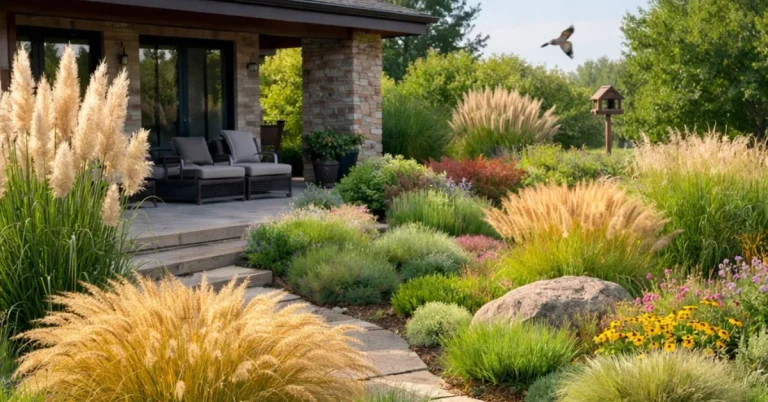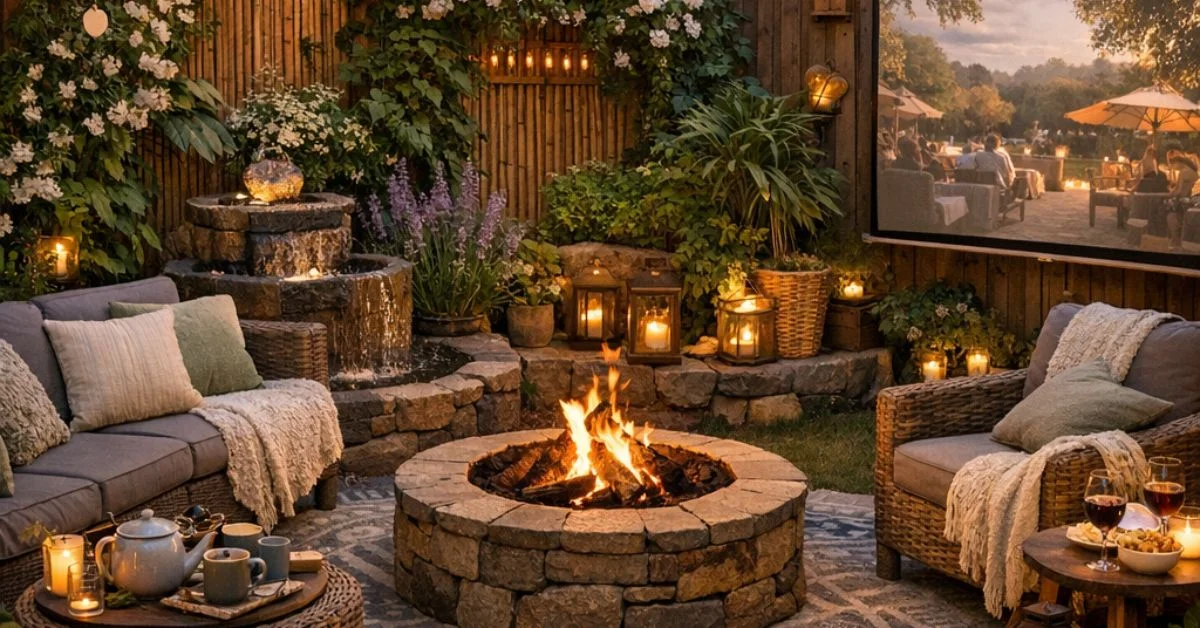
How to Create a Backyard Sanctuary for Relaxing Evenings
Transforming your backyard into a peaceful retreat requires thoughtful design, functional planning, and sensory balance. Learning how to create a backyard that invites calmness after long days means blending natural elements, lighting design, privacy solutions, and personal touches. In 2026, homeowners and outdoor living enthusiasts are reimagining their backyards as hybrid spaces places for mindfulness, social connection, and sustainable living.
Why Backyard Sanctuaries Matter
Modern life is fast paced, screen heavy, and often disconnected from the outdoors. How to Create a Backyard have become essential extensions of living space that support mental health, creativity, and lifestyle balance. A 2025 report from the National Association of Landscape Professionals (NALP) noted that 63% of U.S. homeowners invested in outdoor redesigns for wellness and relaxation.
When you understand how to create a backyard that aligns with your personal rhythm rather than chasing trends you invite renewal every evening, not just a seasonal escape.
Step 1: Assess Your Outdoor Space and Intent
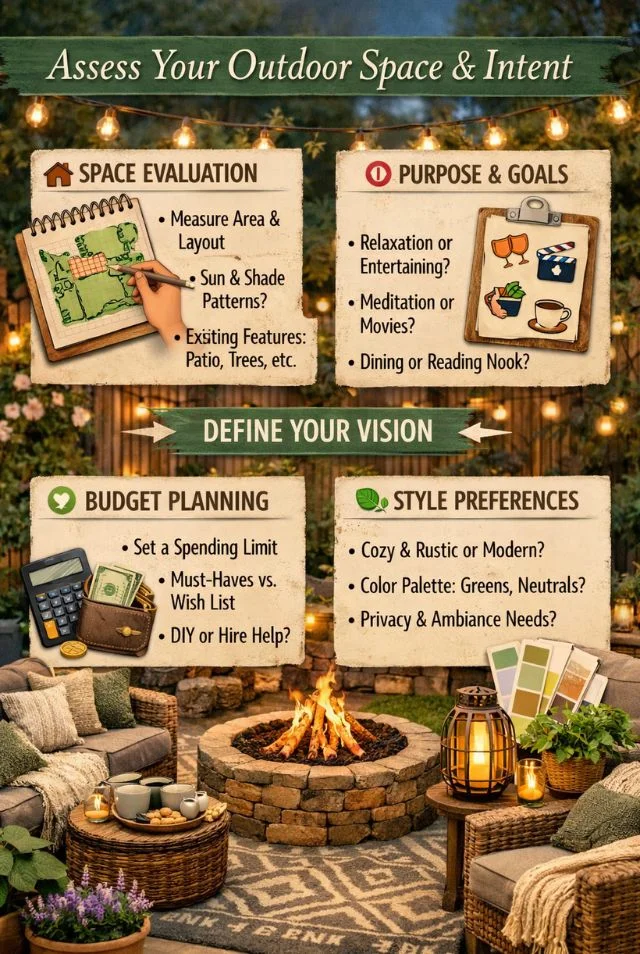
Before adding a single decor item, clarify your how to Create a Backyard purpose. Ask yourself what relaxation means to you: quiet solitude, intimate gatherings, stargazing, or a place to unwind with soft music and candlelight.
Conduct a Backyard Audit
Walk your outdoor area at different times of day and note:
- Sun and shade zones (helpful for placing seating or plants)
- Natural focal points (trees, garden edges, water features)
- Privacy concerns (fences, neighbor sightlines)
- Existing hardscape (patios, decks, uneven terrain)
- Noise sources (traffic, neighbors, pets)
How to Create a Backyard baseline helps you plan functionally instead of decoration first.
Define Your Comfort Goals
- Evening focus: Prioritize lighting, fire elements, and scent (lavender, jasmine, cedar).
- Low maintenance relaxation: Use native plants and automated irrigation.
- Meditative quiet: Choose materials that absorb sound (gravel, wood chips, thick foliage).
Real world example:
In San Jose, California, a couple transformed how to Create a Backyard strip into a serene evening refuge using tall bamboo screens, dimmable string lights, a small water feature, and reclaimed teak benching. The result: privacy, ambiance, and an eco conscious design that required minimal upkeep.
Step 2: Choose a Relaxation Concept or Theme
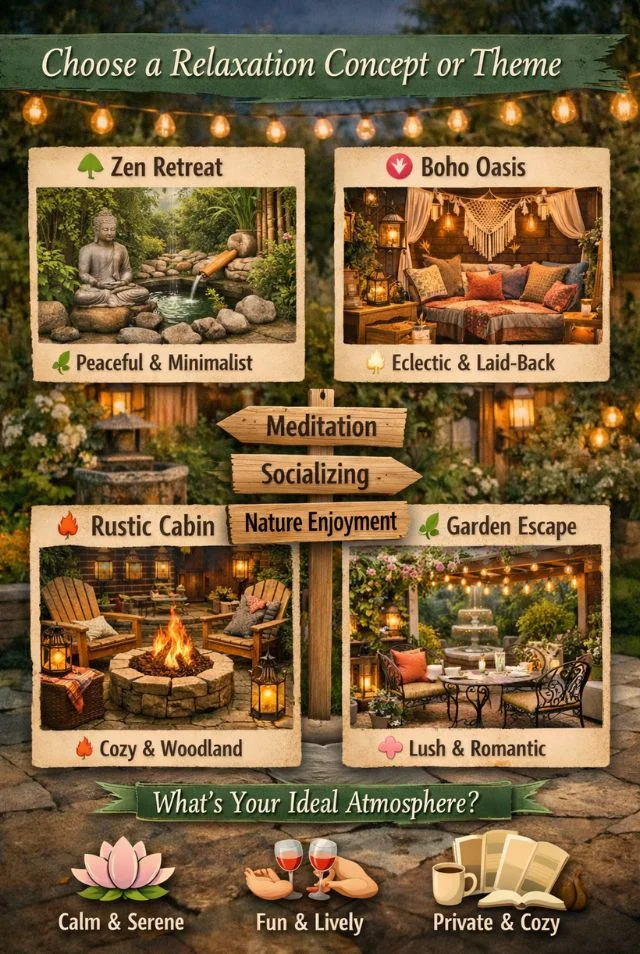
How to Create a Backyard needs a guiding design concept to stay cohesive. Knowing how to create a backyard with a clear theme helps avoid clutter and ensures harmony between colors, textures, and function.
Popular Backyard Sanctuary Concepts
Zen Garden Sanctuary
Gravel paths, bonsai, quiet fountains, smooth stones
→ Ideal for meditation, reflection
Modern Minimalist Terrace
Clean lines, black/pale neutrals, built in lighting
→ Ideal for small spaces, urban homes
Bohemian Retreat
Layered textiles, lanterns, macramé hammocks
→ Ideal for artistic, relaxed vibe
Mediterranean Escape
Terracotta tiles, olive trees, warm toned lighting
→ Ideal for warm climates
Woodland Refuge
Native shrubs, moss, log seating
→ Ideal for cooler regions, nature immersion
Smart Outdoor Lounge (2026 Trend)
App controlled lighting, smart fire pits, retractable screens
→ Ideal for tech integrated comfort
Step 3: Prioritize Comfort Through Layout and Flow
How to Create a Backyard design failures often stem from poor flow rather than bad furniture. Regardless of backyard size, a sanctuary should guide how people move, rest, and engage with the environment.
Functional Zoning Blueprint
- Lounge area: Primary seating cluster (sofa set, hammock, swing chair)
- Fire or warmth zone: Fire pit, outdoor heater, or chiminea
- Dining nook: Outdoor table, ideally under pergola or lights
- Mindful corner: Fountain, meditation mat, or vertical garden
- Pathways: Pavers or stoneway connecting areas with soft curvatures
Tip: Use raised planters or low hedges to visually divide zones without closing off the space.
Smart Layout Example
For a backyard measuring 25 ft × 40 ft:
- Central 10×10 ft deck hosts seating with a propane fire bowl.
- A gravel border runs along both sides with hostas and lavender.
- Solar path lights define walking areas.
- A rear privacy fence doubles as a vertical herb garden.
This layout illustrates how to create a backyard that functions efficiently while remaining inviting.
Step 4: Add Multi Layered Lighting for Evenings
Lighting transforms a regular yard into an enchanting evening retreat. Layer your light sources to create depth, safety, and mood.
Types of Outdoor Lighting
- Ambient lighting: String lights, lanterns, or LED strips for overall glow.
- Task lighting: Focused lights for reading or outdoor cooking.
- Accent lighting: Spotlights highlighting plants, sculptures, or trees.
- Path lighting: Ground level solar stakes or recessed fixtures.
- Firelight: Fire pit, tabletop fireplace, or candles for natural warmth.
Smart Tip for 2026
How to Create a Backyard smart outdoor lighting systems (e.g., Philips Hue Outdoor or Govee Smart RGB) for custom brightness and color automation. You can schedule golden hour transitions or soft fade-ins synchronized with sunset.
Step 5: Integrate Nature and Soundscapes
Nature immersion enhances relaxation through sensory grounding. When exploring how to create a backyard that calms the mind, engage multiple senses.
Biophilic Design Elements
- Water features: Fountains or mini ponds for white noise effect.
- Plant layering: Trees for overhead cover, shrubs for mid height privacy.
- Fragrance plants: Night blooming jasmine, gardenia, or thyme.
- Pollinator attractors: Lavender, echinacea, or salvia for bee and butterfly visits.
Sound Integration
Add soft background music via outdoor rated wireless speakers (e.g., Sonos Move 2 or Bose SoundLink Flex). Keep volume low enough to blend with ambient sounds rather than overpowering them.
Step 6: Build Privacy Without Isolation
Sanctuaries thrive on psychological safety the feeling that you’re sheltered yet connected. Use strategic layering, plant screens, or freestanding partitions.
Privacy Methods
- Green walls or bamboo screens
- Tall planters or lattice fences
- Retractable awnings
- Outdoor curtains (UV and water resistant fabric)
- Shade sails or pergola roofing
Hybrid approaches like combining vertical gardens with slatted fences create partial opacity while allowing airflow.
Step 7: Select Materials That Balance Aesthetics and Longevity
When deciding how to create a backyard, material choice determines not only style but also durability and maintenance.
| Theme Type | Key Features | Ideal For |
|---|---|---|
| Zen Garden Sanctuary | Gravel paths, bonsai, quiet fountains, smooth stones | Meditation, reflection |
| Modern Minimalist Terrace | Clean lines, black/pale neutrals, built-in lighting | Small spaces, urban homes |
| Bohemian Retreat | Layered textiles, lanterns, macramé hammocks | Artistic, relaxed vibe |
| Mediterranean Escape | Terracotta tiles, olive trees, warm-toned lighting | Warm climates |
| Woodland Refuge | Native shrubs, moss, log seating | Cooler regions, nature immersion |
| Smart Outdoor Lounge (2026 Trend) | App-controlled lighting, smart fire pits, retractable screens | Tech-integrated comfort |
Step 8: Embrace Fire, Warmth, and Seasonal Comfort
Even a small flame evokes togetherness and comfort. How to Create a Backyard modern fire features serve both functional heating and visual tranquility.
Fire Options
- Portable fire bowls: Compact, practical for renters.
- Built in gas fire pits: Consistent heat, clean burn.
- Tabletop ethanol burners: Elegant for balconies or small decks.
Complement with:
- Outdoor blankets
- Heated cushions
- Weatherproof area rugs
Expert insight: According to Landscape Architecture Review 2025, homes with functional outdoor lighting and fire zones saw up to 14% higher evening usability through spring to fall seasons.
Step 9: Personalize with Decor and Texture
Avoid catalog perfect setups. Instead, integrate tactile textures (rattan, jute, soft knit throws), focal decor, and memory anchors.
Texture Layers That Work
- Soft throws and cushions
- Outdoor rugs with geometric or organic patterns
- Layered lanterns or candle pillars
- Hanging planters or driftwood art
- Reclaimed wood side tables
How to Create a Backyard feels curated, not crowded. Keep roughly 30% of visible space open for ease and air flow.
Step 10: Make It Sustainable and Smart
Eco conscious design is non-negotiable in 2026. How to Create a Backyard with sustainability in mind supports both the environment and budget savings.
Sustainable Approaches
- Native landscaping: Reduces water needs by up to 50%.
- Rainwater harvesting barrels: Capture and reuse storm runoff.
- Drip irrigation: Precise moisture control avoids waste.
- Solar powered lights: Energy efficient illumination.
Smart Backyard Tools
Integrate automation for effortless enjoyment:
- Rachio Smart Sprinkler Controller (Gen 4): Optimizes watering cycles.
- SolarSense Path Lights: Store energy even on cloudy days.
- Voice assistants: Manage lighting or play soundscapes via Alexa/Google Home.
Step 11: Include Seating That Invites Rest
Comfort seating defines how much time you’ll actually spend outdoors. Look for flexible, ergonomic, and weatherproof furniture.
Recommended Seating Types
- Sectional sofas: Ideal for family lounging.
- Hammocks: Easiest relaxation element for minimal spaces.
- Egg chairs: Nest like comfort with style.
- Adirondack chairs: Classic, durable, and ergonomic.
- Built in benches: Save space while providing storage underneath.
For evening comfort, add washable cushion covers and mildew resistant fabrics.
Step 12: Plan Lighting Scenes and Evening Routines
Once physical design is done, focus on evening rhythms. Knowing how to create a backyard for relaxing evenings extends beyond layout it’s about ambiance management.
Try these combinations:
- Twilight mode: 30% ambient lights, soft instrumental background.
- Dinner glow: Higher brightness near tables and pathways.
- Meditation mode: Warm accent lights only, no direct beams.
Apps like Lutron Caséta or Philips Hue Bridge allow scheduled presets.
Step 13: Maintenance Habits That Preserve Serenity
True sanctuaries stay peaceful only when upkeep feels effortless.
Annual and Seasonal Maintenance
- Clean furniture surfaces quarterly.
- Trim shrubs every six weeks in growth seasons.
- Sweep pathways weekly to avoid moss buildup.
- Inspect electrical cords and fixtures annually.
- Reseal decks or wood surfaces every 2–3 years.
Simplified Maintenance Example
A homeowner in Austin designed his sanctuary with drought tolerant succulents, a crushed granite patio, and solar lighting. Total monthly maintenance time: under two hours.
Real World Example: The San Diego Serenity Patio
In 2025, landscape designer Amelia Rojas turned a 400 sq ft San Diego backyard into a “twilight sanctuary.” Features included:
- Olive green concrete benches topped with cloud gray cushions
- A narrow reflecting pool doubling as a cooling zone
- A modular pergola with retractable solar shades
- Scented herbs that release aroma after dusk
The outcome: longer evening use hours (after work through 11 p.m.) and measurable improvement in stress recovery reported by the homeowners after consistent use. This case illustrates how knowing how to create a backyard tied to sensory psychology can directly impact well being.
Expert Insights and 2026 Trends
- Hybrid Outdoor Offices: Dual purpose lounge zones that transition from daytime workspaces to evening sanctuaries.
- Resilient Landscaping: Focus on drought tolerant and heat resistant flora due to changing climate conditions.
- Low Light Plant Varieties: Introduction of luminescent moss and reflective leaf species for nocturnal color effects.
- Voice Controlled Ambiance: Seamless integration between AI home systems and outdoor elements.
- Circular Design Principles: Reuse of salvaged materials to cut environmental impact by 20–40%.
Common Mistakes to Avoid
- Overcrowding furniture or decor (kills air flow)
- Poor drainage planning (creates moisture or mosquito issues)
- Ignoring neighborhood noise sources
- Using bright white LEDs that break evening mood
- Failing to weatherproof electrical installations
Prioritize experience over ornamentation.
Conclusion
Learning how to create a backyard sanctuary for relaxing evenings is part design art, part behavioral science. The key lies in building a sensory ecosystem light, texture, scent, sound, and comfort harmonized with sustainability and technology. Whether your goal is a quiet reading nook or a glowing social retreat, a well crafted backyard becomes not just an outdoor space, but an evening state of mind.
FAQ: How to Create a Backyard Sanctuary
1. What’s the first step in creating a peaceful backyard?
Start by defining your purpose relaxation, socializing, or meditation then map your available space and sunlight patterns.
2. How do I make my backyard more private?
Use combinations of tall plants, bamboo screens, pergolas, or outdoor curtains for layered privacy without full enclosure.
3. Which plants are ideal for evening relaxation?
Night blooming jasmine, lavender, and gardenia release soothing fragrances that heighten after dusk.
4. How can I add warmth without a built in fire pit?
Opt for portable propane fire bowls or tabletop ethanol burners; both offer adjustable heat and minimal setup.
5. How do I light my backyard efficiently?
Layer ambient, task, and accent lighting with solar or LED sources. Smart lights allow custom brightness or color changes.

As an admin, with a passion for transforming spaces and a sharp eye for design trends, I created Interior Design Style Quiz to help homeowners make confident, informed decisions about their homes from the curb all the way inside.