How to Make Your Home Look Expensive on a Budget: 25 Designer-Approved Tricks That Actually Work
Most people assume a polished, high-end home requires deep pockets. It doesn’t. What it actually requires is knowing where designers spend their attention and where they don’t.
The truth is, a $20 can of paint applied strategically can do more for a room than a $500 accent chair placed carelessly. Expensive-looking interiors are largely a product of proportion, cohesion, and a few well-chosen details. The price of individual items matters far less than most people think.
How to Make Your Home Look Expensive on a Budget. This guide covers 25 techniques that interior designers use to create the perception of luxury on any budget. Each one is practical, proven, and achievable without a renovation.
1. Paint: The Single Highest-ROI Investment in Home Decorating
If there’s one thing professional decorators agree on, it’s this: paint is the most cost-effective change you can make to any room. A fresh, properly chosen coat doesn’t just cover walls. It completely recontextualizes the space.
Choose Deep or Saturated Colors With Intention
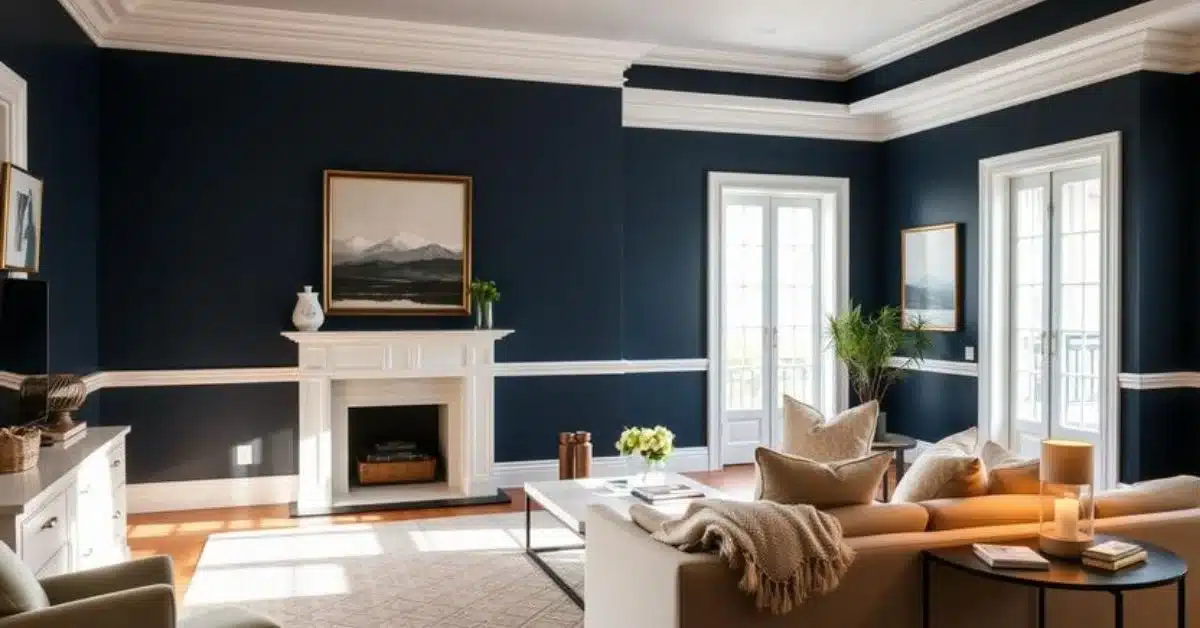
Pale beige and greige are safe, but they read as cheap in poorly lit rooms. Deep tones like navy, forest green, charcoal, and terracotta absorb light in a way that makes a room feel considered. Farrow & Ball’s Hague Blue became a cultural phenomenon partly because it makes even modest rooms look designed.
You don’t need Farrow & Ball pricing to get that effect. Benjamin Moore and Sherwin-Williams both have deep, complex color lines that rival premium brands. The color matters more than the label.
Paint the Ceiling Too
White ceilings are a default, not a rule. Painting the ceiling the same color as the walls, especially in a dark tone, creates an enveloping, cocooning quality that reads as intentional and expensive. Designers call it a “color drenching” approach, and it costs nothing beyond an extra quart of paint.
Trim and Baseboards: The Detail Nobody Notices Until It’s Wrong
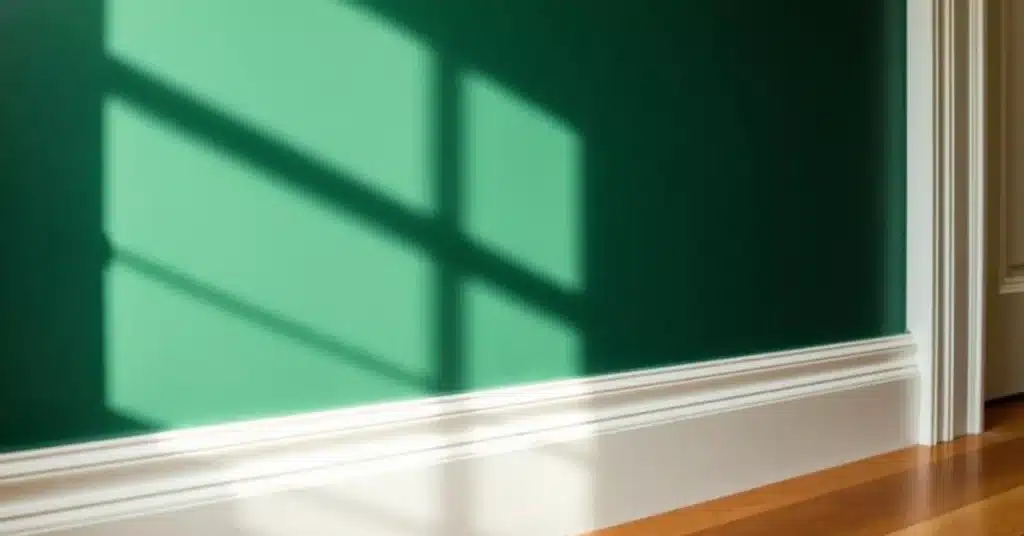
High-gloss white trim against a matte wall color is one of the strongest visual signals of a well-finished room. It’s a detail that photographs beautifully and registers subconsciously even in person. If your baseboards are thin or your trim is scuffed, a coat of semi-gloss white paint costs under $15 and takes an afternoon.
Painting baseboards in a shade slightly darker than bright white (try White Dove or Chantilly Lace by Benjamin Moore) reads as more sophisticated than stark white against warm walls.
2. Lighting: The Design Element That Does the Most Heavy Lifting
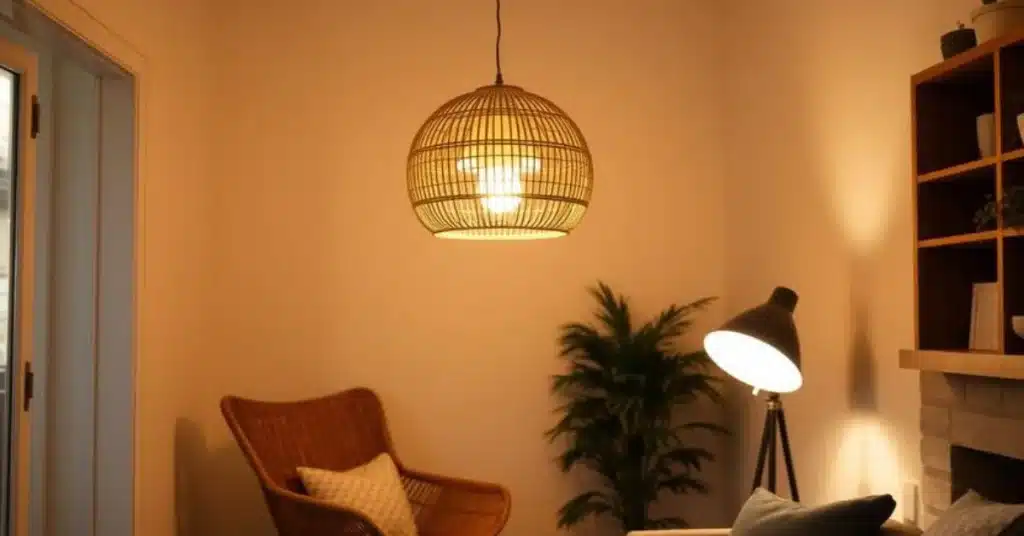
Overhead lighting, specifically the builder-grade flush-mount fixture found in most apartments and entry-level homes, is the most reliable way to make a room feel cheap. Replace it, and the room transforms almost overnight.
Layer Your Light Sources
Luxury homes almost never rely on a single overhead light. They use layers: ambient (overhead), task (lamps, under-cabinet), and accent (picture lights, LED strips inside shelving). You can achieve this in any room with two or three inexpensive lamps. Floor lamps with sculptural bases are a particularly high-value buy. A $60 arc lamp from IKEA or Target changes a room’s atmosphere entirely.
Swap Overhead Fixtures
Pendant lights and chandeliers that once cost $400 or more are now widely available at Wayfair, Amazon, and HomeGoods for $60 to $120. A rattan pendant, a black iron chandelier, or a globe cluster fixture adds architectural interest that a plain ceiling fixture never will. Most are designed for standard electrical boxes with no electrician required.
Warm Bulb Temperature Matters
Cool white bulbs (5000K and above) are energizing but unflattering in living spaces. Warm white (2700K to 3000K) mimics candlelight and makes skin, wood, and fabric look their best. Switch every bulb in your living areas to warm white LEDs. The cost is under $15, and the impact on ambiance is immediate.
Interior designers consistently point to lighting as the most underused tool in residential decorating. It costs almost nothing to change, and it affects everything from how a space feels to how furniture reads in the room.
3. Curtains and Drapes: The Height Trick That Makes Rooms Taller
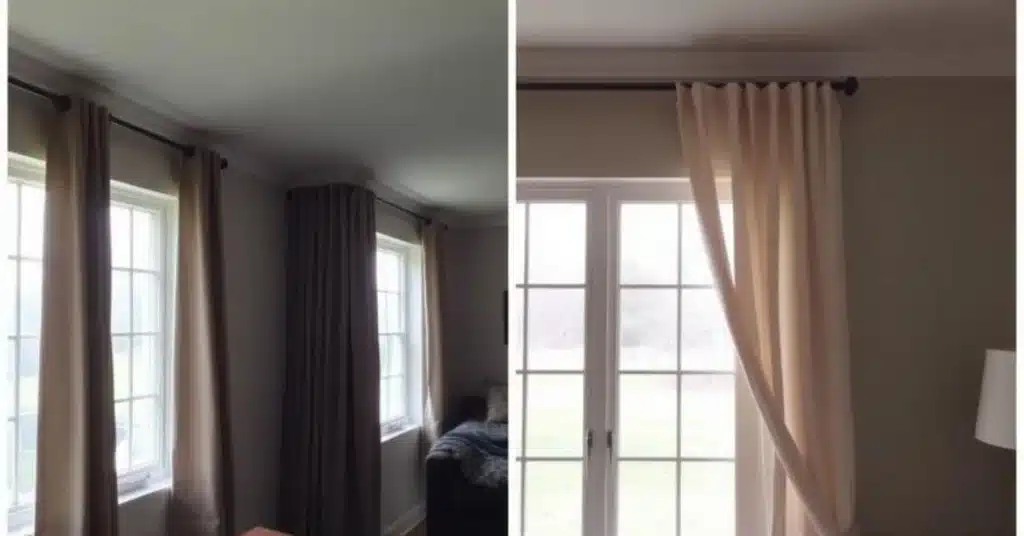
Curtains hung at window height look like an afterthought. Curtains hung at ceiling height look like a deliberate architectural choice. The difference in cost is zero. You’re just moving the rod up.
The Rule: High and Wide
Install your curtain rod as close to the ceiling as possible, and extend it at least 6 to 8 inches beyond the window frame on each side. This does two things: it makes the window appear much larger, and it makes the ceiling appear higher. Both changes make a room feel more expensive without adding a single design element.
Fabric Weight and Drape
Cheap curtains hang stiffly and don’t fall well. Linen, velvet, and cotton blends hang with natural weight. IKEA’s RITVA panels have become a cult favorite among decorators on tight budgets because they’re a thick, natural cotton that drapes like fabric three times the price. Running them through a dryer with a tennis ball removes packaging creases.
The Puddle Effect
Allowing curtains to extend 1 to 2 inches onto the floor, or “puddle” slightly, is a classic European decorating technique that reads as intentional and refined. It’s the opposite of what most people do (hemming curtains to just above the floor) and it costs nothing.
4. Decluttering as a Design Strategy (Not Just a Chore)
Expensive-looking homes have negative space. Cluttered surfaces read as anxious, regardless of what’s on them. This is one of the few design improvements that costs nothing and often requires taking things away rather than adding them.
The One-Third Rule for Surfaces
No surface, whether a shelf, console table, or kitchen counter, should be more than one-third covered. This applies whether items cost $5 or $500. A single sculptural object on a console table reads as curated. Seven random items on the same surface reads as disorganized.
Editing Bookshelves
Remove two-thirds of what’s on your bookshelves. Group what remains by color or object type. Add a plant or a small piece of art. This is the single most common transformation seen on renovation shows, and it costs nothing. The shelf itself doesn’t change. The editing does all the work.
5. Hardware Swaps: The Quick Upgrade With Real Visual Impact
Cabinet hardware is one of the most underrated budget upgrades in interior design. Old brass pulls on a kitchen cabinet date the room immediately. Matte black hardware modernizes it instantly. The cost for a full kitchen is $40 to $80 in hardware and thirty minutes with a screwdriver.
What to Replace
- Kitchen cabinet knobs and pulls are the most visible and highest-impact change in any kitchen.
- Bathroom faucets: a brushed gold or matte black faucet from Amazon runs $35 to $70 and looks identical to $300 designer versions.
- Towel bars and toilet paper holders: matching metal finishes across a bathroom is a designer-level detail that costs under $40 total.
- Door handles and hinges: matching the finish to your hardware, especially on interior doors, creates cohesion throughout the space.
Stick to one metal finish per room. Mixing chrome, brass, and nickel reads as unintentional. Choosing one and committing to it is one of the most consistent habits among professional designers.
6. Texture and Layering: How to Add Depth Without Spending Much
Flat, monotextural rooms feel empty even when they’re well-furnished. High-end interiors achieve visual richness through layering by combining wool, linen, leather, wood, ceramic, and metal in ways that reward the eye.
The Rule of Three Textures
Every seating area should have at least three distinct textures. A sofa in a woven fabric, a wool throw, and a leather pillow covers it. A jute rug, a wood coffee table, and a ceramic vase achieves it in surface choices. The items don’t need to be expensive. They need to be different from each other.
| Item | Budget Option | Where to Find | Approx. Cost |
|---|---|---|---|
| Woven throw | H&M Home, TJ Maxx | In-store or online | $18–$35 |
| Linen pillow covers | Amazon, IKEA | Online | $8–$20 each |
| Jute or sisal rug | Ruggable, Wayfair, Overstock | Online | $60–$120 (5×7) |
| Ceramic vase | Thrift stores, HomeGoods | In-store | $4–$20 |
| Velvet accent pillow | Walmart, Target | In-store or online | $12–$22 |
7. Gallery Walls: The Art of Making Budget Frames Look Intentional
Gallery walls have been done badly enough that they’re almost cliché. Done correctly, though, they’re one of the most effective ways to fill a large wall without spending much.
What Makes a Gallery Wall Look High-End
- Consistent frame style: mixing black, white, and gold frames reads as accidental. Choosing one frame style (all black, all natural wood, all thin gold) reads as curated.
- Mat boards: a print with a wide white mat in a simple frame doubles in perceived value. IKEA RIBBA frames are designed for exactly this effect.
- Scale variation: mixing one large piece (16×20) with several medium and small pieces prevents the wall from looking like a grid of identical frames.
- Content coherence: black-and-white photography, botanical prints, or abstract prints in a consistent palette look designed. Mixed subjects in mixed styles look random.
Free and Low-Cost Art Sources
Unsplash and Pexels offer high-resolution photography free for personal use. Artsy and Society6 offer affordable prints. The Met Museum’s public domain collection contains thousands of high-resolution artworks available for free download and printing. A $3 print at CVS in an $8 frame with a wide mat looks like a $70 framed print.
8. Mirrors: The Oldest Trick in Interior Design for a Reason
Mirrors increase perceived square footage, reflect light, and add a decorative element that reads well at almost any price point. A large, simple mirror leaned against a wall is one of the most reliable high-impact, low-cost changes in decorating.
Placement Principles
- Place mirrors opposite windows to reflect natural light deeper into the room.
- Lean a large floor mirror rather than hanging it. It reads as intentional rather than utilitarian.
- Use an arched mirror in entryways and bedrooms. The shape adds architectural interest that flat rectangular mirrors don’t have.
- In dining rooms, a large mirror on the main wall expands the room dramatically.
IKEA’s HOVET and NISSEDAL mirrors are consistently cited by interior designers on budgets for their clean proportions and low cost. The HOVET full-length mirror costs under $100 and photographs identically to mirrors at five times the price.
9. Furniture Arrangement: The Free Design Upgrade Most People Skip
Most furniture arrangement follows a single unconscious rule: push everything against the walls. This is almost always wrong, and it’s one of the clearest markers of an undesigned room.
Float Your Furniture
Pull seating away from the walls, even by a few inches. In living rooms, arrange furniture to face each other for conversation rather than facing a single point (usually the TV). This creates a room that looks intentionally designed rather than arranged for storage.
Anchor With a Rug
In living rooms, all front legs of sofas and chairs should rest on the area rug. A rug where only the coffee table sits looks like a mat. A rug that grounds the entire seating arrangement looks like a designed room. If your current rug is too small to do this, layering a smaller rug over a larger inexpensive flatweave rug is a legitimate designer trick.
10. Plants and Natural Elements: The Texture Money Can’t Buy
Every high-end interior photo contains plants. This is not coincidence. Plants add organic movement, color, and life that no manufactured product can replicate. A $12 pothos or a $15 snake plant does exactly what a $200 sculptural plant does in photographs.
Strategic Plant Placement
- Floor plants in corners (fiddle-leaf fig, monstera, olive tree) break up the right angles of a room and add vertical interest.
- Trailing plants on shelves (pothos, heartleaf philodendron) add organic movement to static surfaces.
- Small succulents in clusters on windowsills and side tables add color and texture without demanding attention.
- Cut branches in tall vases: eucalyptus, dried pampas grass, or simple flowering branches achieve a florist-level look for a few dollars.
Pots and Planters Matter More Than the Plant
A $4 pothos in a $20 textured ceramic pot looks designed. A $40 plant in a plastic nursery pot looks like a home improvement project in progress. The container is the design element. The plant is the content.
11. Where to Spend vs. Where to Save: The Designer’s Real Framework
Understanding what to invest in, even on a tight budget, is more valuable than any individual tip. Experienced decorators follow a consistent priority order that most people don’t know about.
| Category | Priority | Why It Matters | Budget Recommendation |
|---|---|---|---|
| Sofa | ⭐ Spend More | The most-used piece in the room and often the first thing people notice. Quality fabric and comfort are difficult to fake. | Buy the best quality your budget allows. |
| Area Rug | ⭐ Spend More | Defines the room, adds comfort, and receives heavy foot traffic. Cheap rugs wear out quickly. | Choose wool, cotton, jute, or other natural fibers when possible. |
| Throw Pillows | 💰 Save Freely | Easy to replace seasonally and quality differences are subtle from a distance. | Affordable covers from Amazon, TJ Maxx, or H&M Home. |
| Art | 💰 Save Freely | Frame quality has more impact than the artwork’s price. | Use printable art and invest in attractive frames. |
| Light Fixtures | ⚖ Spend Modestly | Shape, scale, and finish are highly visible and influence the room’s style. | Aim for the $50–$150 range for a polished look. |
| Curtains | ⚖ Spend Modestly | Length and fabric weight greatly affect how expensive a room feels. | Linen blends or quality cotton panels offer great value. |
| Cabinet Hardware | ⚖ Spend Modestly | Small detail, big visual impact in kitchens and bathrooms. | Choose solid-looking pulls and knobs in the $5–$12 range. |
| Accent Chairs | 🔄 Depends | Style matters more than brand; secondhand finds can look designer. | Check Facebook Marketplace, thrift stores, and local resale shops. |
12. How to Make Your Home Look Expensive on a Budget Under $50
Living Room
- Replace flush-mount ceiling fixture with a $60 to $80 pendant or chandelier
- Rehang curtain rods at ceiling height
- Add a large arched or leaning mirror
- Layer a textured throw over the sofa arm
- Edit shelves to one-third capacity
Bedroom
- Add a linen duvet cover. IKEA’s DYTAG and Parachute duvet covers at sale are both consistently praised for their drape.
- Use Euro shams behind standard sleeping pillows for a hotel-bed effect.
- Add a bedside lamp rather than relying on overhead lighting.
- Place a small plant or ceramic vase on the nightstand.
- Hang a single large piece of art above the headboard rather than a cluster.
Kitchen
- Replace all cabinet hardware in a consistent matte finish.
- Clear every countertop except one or two intentional items.
- Add a simple wooden cutting board as a display item (Williams Sonoma look for $15 at TJ Maxx).
- Replace a pendant light over an island or table.
Bathroom
- Match all metal finishes: faucet, towel bar, toilet paper holder, and mirror frame.
- Replace a plastic shower curtain with a white cotton or linen one with metal rings.
- Add a tray for toiletries on the counter. An organized tray reads as intentional; loose bottles don’t.
- Hang a large simple mirror in place of a builder-grade medicine cabinet mirror.
Entryway
- Add a console table with a mirror above. Even a narrow one makes an entryway feel designed.
- Place a small plant or sculptural object on the console.
- Add a tray for keys and mail. Controlled surfaces read as expensive.
- Install a statement light fixture, even in small entryways.
13. Small Details That Signal a Designed Home
Some of the most effective budget upgrades aren’t single-item purchases. They’re habits and approaches.
Unified Color Palette
Choosing three or four colors and repeating them across rooms creates the visual coherence that distinguishes well-designed homes. This doesn’t require repainting. It’s about choosing throw pillows, art, and decorative objects that share a palette. The effect is a home that looks like a whole rather than a collection of separate rooms.
Matching Bedding and Towels
Hotel-quality bedrooms use white, ivory, or a single linen color for all bedding. Matching white towels in a bathroom, even inexpensive ones, read as spa-like. The variety of patterns and colors in bedding and bath linens is one of the most common markers of an undesigned room.
Removing Builder-Grade Details
The light switch covers, outlet plates, and HVAC vent covers in most homes are builder-grade white plastic. Replacing them with Leviton brushed nickel covers ($2 to $3 each) is a finishing detail that few people notice consciously but everyone registers. It’s one of the cheapest detail-oriented upgrades available.
Scent as a Design Element
High-end boutique hotels and luxury retail spaces invest heavily in scent because it’s one of the most powerful environmental signals. A consistent, clean scent from a simple reed diffuser, a beeswax candle, or fresh eucalyptus contributes to an experience of quality that visual upgrades alone can’t fully achieve.
Conclusion:
How to Make Your Home Look Expensive on a Budget. The homes that read as expensive, in person or in photographs, almost never got there through spending alone. They got there through editing, coherence, and attention to the details most people overlook. A room with three carefully chosen items on a console table looks more designed than a room full of collected things that haven’t been curated.
What separates a polished interior from a forgettable one is usually light, proportion, texture, and restraint. All of these are free or close to it. The goal isn’t to replicate a designer’s budget. It’s to replicate a designer’s eye. That starts with understanding that removal is often more powerful than addition, and that where you put the curtain rod matters more than how much you paid for the curtain.

As an admin, with a passion for transforming spaces and a sharp eye for design trends, I created Interior Design Style Quiz to help homeowners make confident, informed decisions about their homes from the curb all the way inside.