Trisha TheHomeTrotters: Home Decor Ideas & Tips
Trisha TheHomeTrotters is a home decor and interior design content platform targeting everyday US homeowners. It covers room styling, DIY repairs, organization hacks, and seasonal decorating ideas. The site blends creative design inspiration with practical, budget-conscious home improvement advice across living rooms, bedrooms, kitchens, and outdoor spaces.
Trisha TheHomeTrotters: Room-by-Room Decor Ideas, DIY Repairs & Budget Home Tips
Trisha TheHomeTrotters is a home decor and lifestyle platform built around practical interior design advice for everyday homeowners. The site covers room styling, DIY home repairs, organization strategies, and seasonal decorating all focused on realistic results without designer budgets. If you’ve searched “trisha thehometrotters” looking for genuine, applicable home inspiration, this guide delivers exactly that.
What Is Trisha TheHomeTrotters?
Trisha TheHomeTrotters is a home decor content platform offering room-by-room styling ideas, DIY repair guides, and budget home improvement tips for US homeowners.
The platform bridges the gap between aspirational interior design and what most homeowners can actually execute on a weekend. Unlike renovation-heavy content that requires contractors and $30,000 budgets, TheHomeTrotters approach centers on high-impact, low-cost changes: paint, lighting, textiles, and layout adjustments.
According to Houzz’s 2024 US Houzz & Home Study, 53% of homeowners cited improving functionality as their top renovation motivation, and 41% ranked aesthetics. Trisha TheHomeTrotters speaks directly to both priorities.
Living Room Decor Ideas from TheHomeTrotters
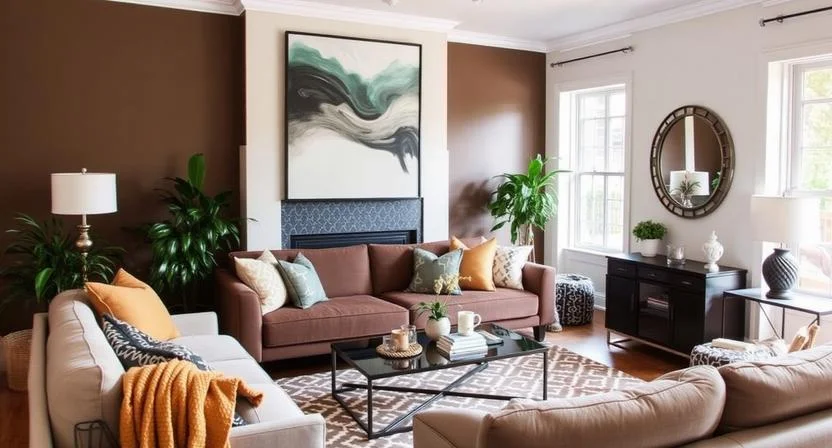
The highest-impact living room upgrades are layered lighting, an area rug that anchors furniture, and curated wall art groupings.
The living room is the most-decorated room in American homes. Here’s a practical framework drawn from the TheHomeTrotters content style:
Lighting Strategy
Layer three types of light: ambient (overhead), task (reading lamps), and accent (shelf or picture lighting). Switching from a single ceiling fixture to a three-layer setup costs $80–$200 in bulbs and fixtures but visually doubles the room’s depth.
Furniture Arrangement Rules
- Float furniture away from walls at minimum 6–12 inches
- Create conversation zones with seating facing each other
- Anchor every seating area with a rug (minimum 8×10 for most living rooms)
Wall Art Placement
Gallery walls should start with the largest piece at eye level (57–60 inches from floor to center). Cluster frames within 2–3 inches of each other for a cohesive look.
Explore living room decor ideas on TheHomeTrotters for style-specific guides including modern farmhouse, coastal, and minimalist layouts.
Bedroom Decorating: TheHomeTrotters Approach
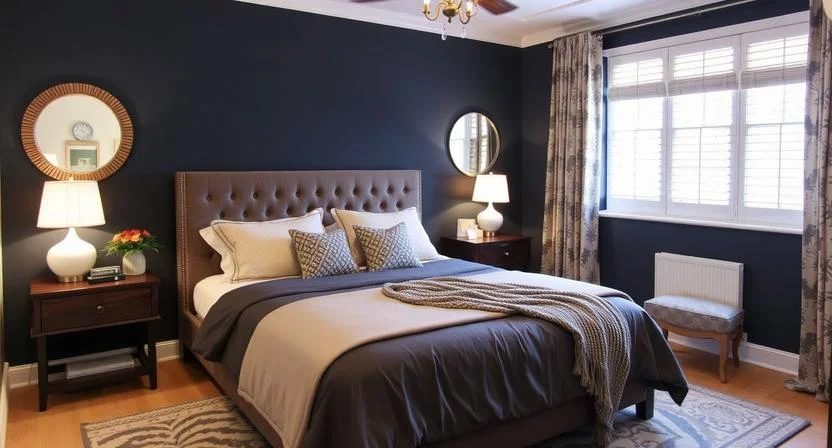
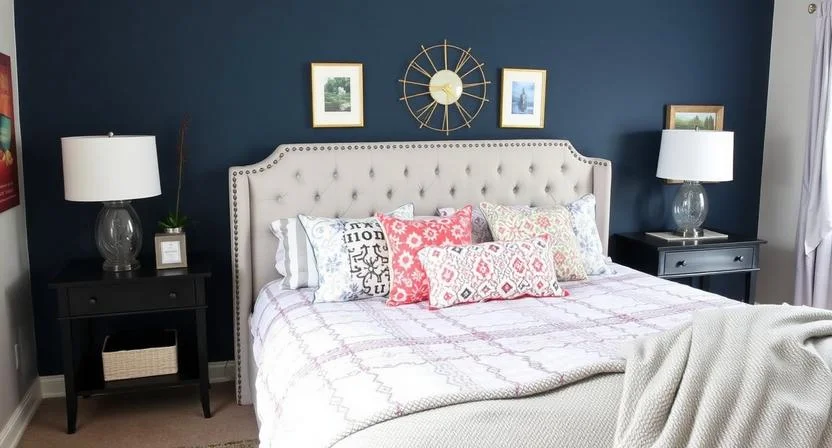
A bedroom refresh starts with bedding layers, a cohesive color palette capped at three tones, and blackout solutions for better sleep quality.
The National Sleep Foundation links bedroom environment directly to sleep quality. Cooler colors (soft blues, greens, warm whites) lower perceived room temperature and reduce pre-sleep anxiety.
Three-Layer Bedding System
- Base layer: Fitted sheet + flat sheet (percale for warm sleepers, sateen for cool sleepers)
- Mid layer: Duvet or quilt in a neutral
- Top layer: Throw blanket in a contrasting texture (chunky knit, linen, faux fur)
Budget Bedroom Wins
- Replace generic closet doors with curtain panels ($30–$60) to soften the room
- Add a dimmable bedside lamp for reading overhead light disrupts circadian rhythm
- Use peel-and-stick wallpaper on one accent wall ($50–$120 for a standard bedroom wall)
Kitchen Styling Tips TheHomeTrotters Recommends
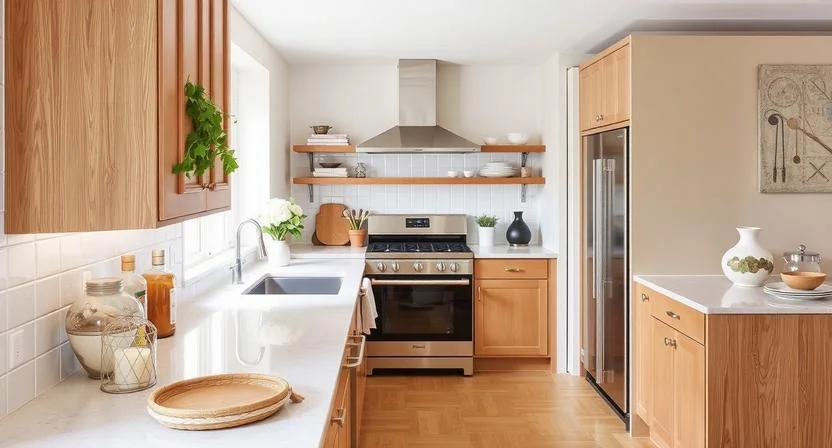
Open shelving, updated hardware, and under-cabinet lighting are the three kitchen changes with the best return on visual investment.
Kitchen renovations average $27,000 nationally (NKBA 2024). TheHomeTrotters content targets the sub-$500 refresh changes that photograph beautifully and function better without touching cabinetry or appliances.
Hardware Swap
Replacing cabinet knobs and pulls takes 2–3 hours and costs $40–$150 for a full kitchen. Matte black and brushed gold remain the top-performing finishes in 2025–2026.
Open Shelf Styling Formula
Follow the rule of three: one tall item, one medium item, one small decorative piece per shelf section. Mix textures ceramic, wood, metal for visual interest.
Counter Organization
Clear counters of everything except 3–5 frequently used appliances. Group remaining items in trays or baskets to create visual order without hiding necessary tools.
TheHomeTrotters Home Repairs: Essential DIY Fixes
The five most cost-saving DIY repairs are faucet drips, running toilets, drywall patches, weather stripping, and caulk replacement collectively saving $300–$700 annually in service calls.
The competitor site lists repair topics without explaining how to do them. Here’s what theHometrotters content should actually cover:
Fix a Dripping Faucet
A single dripping faucet wastes 3,000+ gallons per year (EPA estimate). The fix for most compression faucets:
- Shut off water supply valve under sink
- Remove handle cap, unscrew handle screw
- Replace worn washer or O-ring ($2–$5 at any hardware store)
- Reassemble and test
Patch Drywall Holes (Under 4 Inches)
- Clean edges of hole
- Apply self-adhesive mesh patch
- Apply joint compound in thin layers (2–3 coats, drying between each)
- Sand smooth, prime, paint
Total cost: $15–$25. Contractor cost for same job: $75–$150.
Re-Caulk a Bathtub
- Remove old caulk with a caulk remover tool
- Clean and dry surface completely (24 hours)
- Apply 100% silicone caulk in one continuous bead
- Smooth with a wet finger or caulk tool
See TheHomeTrotters complete home repair checklist for seasonal maintenance schedules by home type.
Budget-Friendly Home Updates: Where $100–$500 Goes Furthest
Paint, lighting, and textiles deliver the highest visual return per dollar of any home update category.
| Update | Avg. Cost | Visual Impact | DIY Friendly? |
|---|---|---|---|
| Interior paint (one room) | $50–$150 | Very High | Yes |
| New light fixtures (2–3) | $80–$200 | High | Moderate |
| Throw pillows + blanket | $40–$100 | High | Yes |
| Curtains (one room) | $50–$120 | High | Yes |
| Cabinet hardware swap | $40–$150 | Medium-High | Yes |
| Peel-and-stick wallpaper | $50–$120 | High | Yes |
| New bath accessories set | $30–$80 | Medium | Yes |
| Outdoor string lights | $25–$60 | High | Yes |
Seasonal Decorating: TheHomeTrotters Year-Round Guide
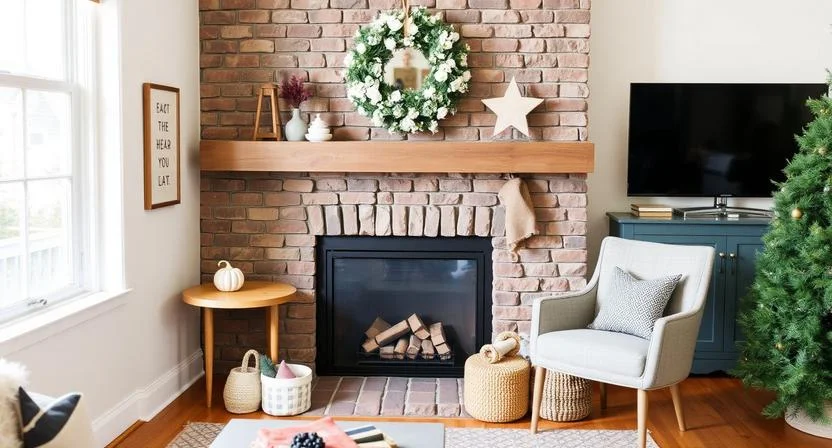
Seasonal decorating works best through a swap system store one season’s textiles and accents, rotate in the next rather than buying new each cycle.
Spring
Swap dark winter throws for lightweight linen. Add fresh greenery (potted herbs on kitchen sills, eucalyptus in bathrooms). Replace heavy curtains with sheer panels.
Summer
Bring in coastal or natural textures: jute rugs, rattan accents, blue and white palettes. Move entertaining outdoors with string lights and weather-resistant cushions.
Fall
Layer warm tones: rust, amber, deep green. Add candles and textured knit throws. Transition outdoor planters to mums and ornamental kale.
Winter/Holiday
Focus on hygge principles soft lighting, layered blankets, warm scents. A well-lit entryway with a wreath and fresh greenery sets the tone for the whole home.
Organization and Storage: TheHomeTrotters Cool Ideas
The most effective organization systems use zones, labels, and containers sized to the specific storage space not generic bins.
Zone-Based Organization
Divide any storage area (pantry, closet, garage) into activity zones. Kitchen: baking zone, snack zone, appliance zone. Closet: daily wear, occasional wear, seasonal storage.
Container Rules
- Use clear containers where visibility matters (pantry, bathroom)
- Use lidded containers where aesthetics matter (living room, bedroom)
- Label everything studies show labeled storage reduces “searching time” by up to 40%
Under-Utilized Storage Spaces
- Under stairs: add pull-out drawers or built-in shelving
- Above cabinets: store rarely used appliances or seasonal items in uniform baskets
- Door backs: mount hooks, over-door organizers, or slim shelving units
Comparison: TheHomeTrotters vs. Typical Home Decor Blogs
| Feature | TheHomeTrotters Approach | Generic Decor Blogs |
|---|---|---|
| Budget focus | Sub-$500 updates | Mixed, often expensive |
| DIY content | Actionable step-by-step | Often vague inspiration |
| Room coverage | Full home, including repairs | Mostly living/bedroom |
| Seasonal content | Year-round rotation system | Holiday-focused |
| Repair content | Included | Rarely covered |
| Audience | US homeowners + renters | Broad/global |
Conclusion
Trisha TheHomeTrotters fills a real gap in home decor content the space between high-end interior design blogs and generic DIY sites. The platform’s value is in pairing creative room-styling ideas with practical repair guidance and budget-conscious recommendations that US homeowners can actually execute. Whether you’re refreshing a living room for under $200 or finally fixing that dripping faucet, the TheHomeTrotters approach centers on results over aesthetics.
FAQs
Q1: Who is Trisha TheHomeTrotters?
Trisha TheHomeTrotters is the founder or lead contributor of TheHomeTrotters home decor and lifestyle platform, focused on practical US home improvement content.
Q2: What topics does TheHomeTrotters cover?
TheHomeTrotters covers interior decorating, room styling, DIY home repairs, seasonal decor, organization, and budget-friendly home updates.
Q3: Are TheHomeTrotters home decor ideas budget-friendly?
Yes, most ideas target the $50–$500 range, focusing on paint, lighting, textiles, and hardware as the highest-impact low-cost changes.
Q4: Does TheHomeTrotters include DIY repair guides?
Yes, TheHomeTrotters home repairs section covers faucet fixes, drywall patching, caulking, weather stripping, and other common maintenance tasks.
Q5: What decorating styles does TheHomeTrotters feature?
TheHomeTrotters features modern farmhouse, minimalist, coastal, rustic, and contemporary styles with room-specific styling guides for each.

As an admin, with a passion for transforming spaces and a sharp eye for design trends, I created Interior Design Style Quiz to help homeowners make confident, informed decisions about their homes from the curb all the way inside.