Pool Coping and Tile Ideas That Instantly Upgrade Your Pool
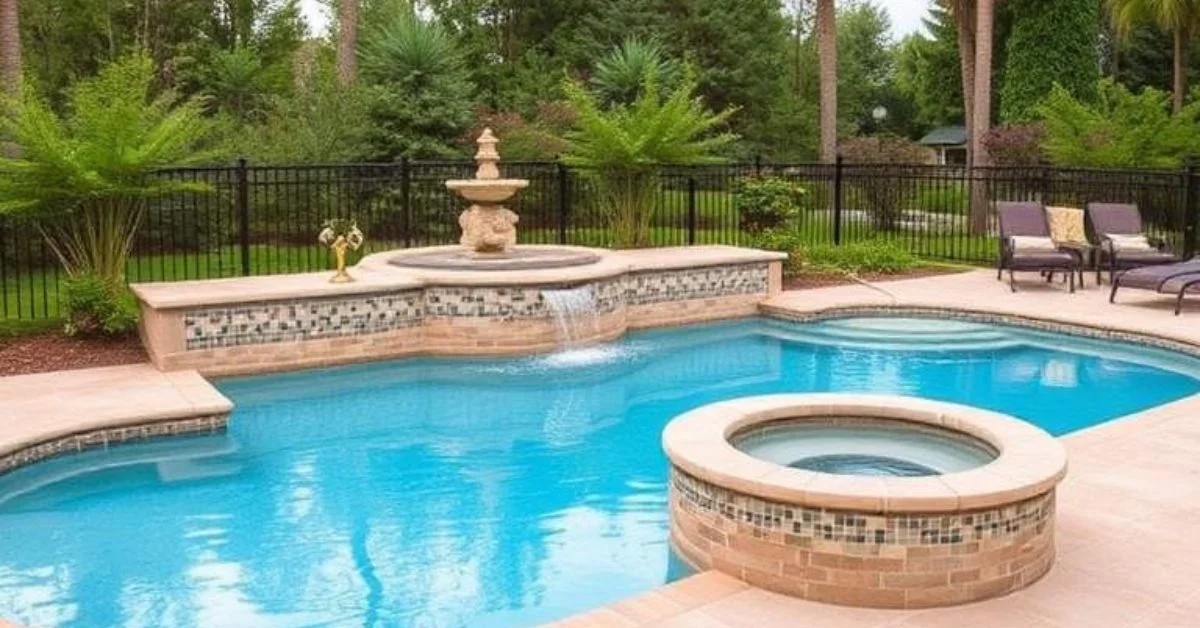
Swimming pool coping and tile do not just decorate a pool; they define its entire personality and the way you experience it. If you are looking for an immediate upgrade without the time and expense of a complete dig and rebuild, your answer lies precisely at the water’s edge. The right combination of a durable, well chosen cap on the pool wall and a thoughtfully placed tile line inside the water instantly shifts a backyard from a basic concrete basin to a curated, resort level retreat. This is the singular most impactful change you can make to an existing pool structure because it reframes the water itself, creating a border that is both functional armor and visual jewelry.
Why swimming pool coping and tile ideas matter
Swimming pool coping and tile ideas are not just decorative choices they determine edge durability, swimmer safety, waterline maintenance, perceived water color, and long‑term lifecycle costs. The right coping protects the pool shell from freeze/thaw and chemical damage, provides a safe, slip‑resistant edge, and visually anchors the pool to the landscape. The right tile palette controls glare, hides scum lines, and can make a small pool feel larger or a shallow pool feel deeper.
The Foundation of a Beautiful Edge
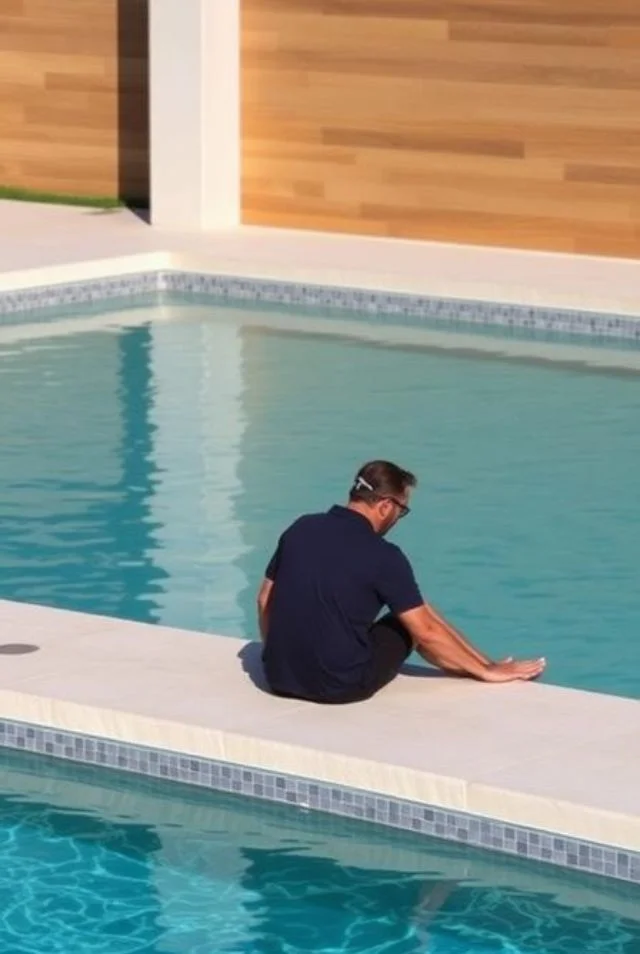
Before we look at colors or patterns, we must establish a clear understanding of what coping and tile actually do. In too many design discussions, these elements are treated as purely aesthetic. That is a mistake that leads to slippery surfaces, crumbling edges, and waterline scum that refuses to go away. The most stunning pool in the world is a failure if you cannot comfortably sit on the edge or if the finish degrades within two summers.
The Structural Purpose of Pool Coping
Coping is the capstone, the protective lip that sits atop the pool bond beam where the vertical wall meets the horizontal deck. It is the first line of defense against the elements. Its primary, non negotiable job is to prevent water that splashes out from seeping behind the pool shell. If water penetrates that seam, freeze and thaw cycles can heave and crack the concrete deck and even the pool wall itself. A properly installed coping edge directs water outward and down onto the deck, not back into the soil behind the tile line. This is why the expansion joint between the coping and the deck is so critical; it is a functional seam disguised as a design line.
Beyond waterproofing, coping provides the tactile interaction point for swimmers. It is what you grab when you rest in the deep end or what a child holds onto while learning to kick. The profile of this edge, whether it is a soft rounded curve or a sharp crisp corner, dictates the comfort of that grip and the safety of the pool’s perimeter.
The Identity Given by Tile
While coping handles the structure, waterline tile handles the perception of the water. The tile band creates a permanent, cleanable ring that prevents the buildup of body oils, sunscreen, and calcium deposits at the exact spot where water meets air. Without tile, the plaster or pebble finish of the pool would stain and erode in a visible, ugly band that is almost impossible to scrub clean. Tile is the sacrificial surface that takes the abuse of the scum line so the rest of the pool can remain pristine.
Aesthetically, tile is what catches the light. Water is a moving lens, and the tile at the edge is the frame for that movement. When the sun hits glass tile, it refracts light into the pool, making the water appear clearer and more vibrant. When a dark porcelain tile is used, it creates a visual anchor that makes the water surface look like a floating mirror. The choice of tile changes the perceived depth and color of the water itself, a trick of optics that is far more powerful than any chemical additive.
The Material Matrix: Choosing the Right Capstone
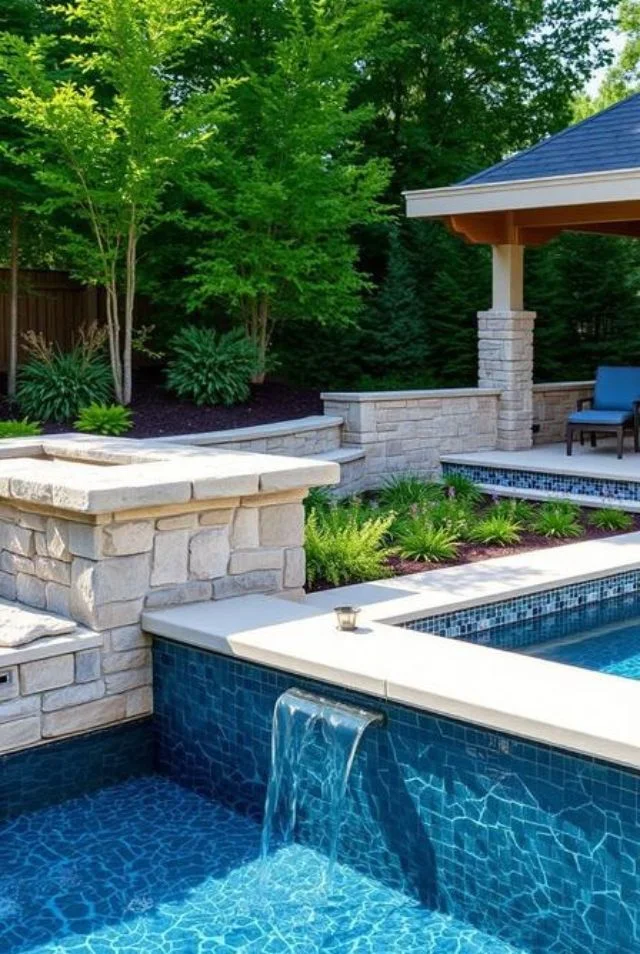
The conversation about pool coping in contemporary design is dominated by a shift toward materials that offer the beauty of natural stone but the resilience of modern engineering. Let’s break down the options with the nuance required for a lasting investment.
Travertine and the Appeal of Warmth
Travertine remains a staple in luxury pool design for a reason that goes beyond its creamy, pitted appearance. Its geological composition makes it naturally cooler to the touch than almost any other paving material. Because it is porous and light in color, it reflects solar radiation rather than absorbing it. If you live in a climate where summer temperatures soar above 90 degrees Fahrenheit, a travertine coping edge means you can walk barefoot to the pool steps or sit on the edge without burning your skin. This is not a minor luxury; it is a safety feature that changes how often you use the pool deck.
However, travertine requires a specific understanding of its nature. The stone is calcium based and reactive to acids. Spilled citrus from a poolside cocktail or acidic leaf debris from a nearby tree can etch the surface if not rinsed. Furthermore, the natural holes and veins that give travertine its character also give it a higher absorption rate. Modern pool construction addresses this by using tumbled and filled travertine where the voids are smoothed with matching grout, or by applying a penetrating sealer that beads water without making the stone look like plastic. The goal is to maintain the matte, earthy feel while ensuring the edge remains stable and stain resistant.
Porcelain Pavers: The Engineered Revolution
If there is one material redefining swimming pool coping and tile ideas in the 2026 landscape, it is large format porcelain. This is not the slick, shiny bathroom tile of decades past. Today’s exterior porcelain is textured, through body colored, and available in thicknesses suitable for free standing pavers and bullnose coping. The manufacturing process involves pressing clay and minerals under immense heat and pressure, resulting in a material with a porosity rate of less than half a percent. This means it is virtually impervious to water absorption.
Why does this matter for coping? In regions with freezing winters, water that seeps into stone and expands is the enemy of pool edges. Porcelain laughs at freeze and thaw cycles. It is also unaffected by saltwater systems and chlorine. Design wise, it is the ultimate chameleon. You can find porcelain coping that replicates the exact veining of an Italian marble slab or the grainy texture of reclaimed oak, but without the maintenance of either. For a modern minimalist home, porcelain offers the clean, monolithic lines that natural stone cannot always provide due to natural fissures. The only caveat is that porcelain is dense and heavy, requiring a solid, stable substrate and a skilled installer who understands how to cut and miter the edges without chipping the glaze.
Concrete Coping: Customization Over Convenience
Precast concrete coping is the workhorse of the industry, and when done well, it disappears into the design. The advantage of concrete is formability. You can pour and mold curved coping to follow a freeform lagoon pool with perfect radius consistency, something that becomes exponentially more expensive with stone or porcelain. Modern concrete finishing techniques, including acid staining, stamping, and micro topping, allow a concrete edge to mimic limestone or granite with surprising accuracy.
The distinction between good concrete coping and bad concrete coping lies entirely in the cure and seal. Unsealed concrete is a sponge for iron and mineral stains from well water or fertilizer runoff. A high quality penetrating silane or siloxane sealer is essential to keep the coping from becoming a blotchy, gray sponge. When choosing concrete, prioritize those with a higher PSI rating (pounds per square inch compressive strength) to prevent edge spalling over time.
The Role of Thermal Comfort
A design detail often overlooked in articles about swimming pool coping and tile ideas is the color’s impact on heat. In the pursuit of a dramatic, dark modern look, many designers are specifying charcoal or black coping. While visually striking, this material can become a hazard in direct sunlight. Dark coping absorbs more than 90 percent of solar energy. In the midday sun of a southwestern summer, this can raise surface temperatures to 160 degrees Fahrenheit. If you have young children or pets who will be on and off the edge of the pool all day, a light to medium tone, whether in natural stone or light gray porcelain, is not just a style preference; it is an essential consideration for the usability of the pool environment.
The Art of the Edge: Profiles That Define the Silhouette
The material is the face, but the edge profile is the silhouette. This is the shadow line that falls into the water. Changing this profile changes the architectural era of the pool.
The Bullnose: Soft and Approachable
The bullnose edge is characterized by a fully rounded front corner. It is the most common profile for family pools because it is the most forgiving. There are no sharp corners to scrape a knee or scratch a swimsuit. Visually, the bullnose creates a softer, more traditional silhouette. It pairs beautifully with organic landscaping and homes with stucco or Mediterranean influences. In the water, the rounded edge reflects light in a diffused, gentle manner.
The Square Edge and Pencil Round
For contemporary design, the bullnose is being replaced by the square edge or a very slight “pencil round” (a 1/8th inch radius on the corner). This profile creates a crisp, geometric line around the pool. When viewed from the house, a square edge coping makes the pool look like a precise piece of architectural cutlery, sharp and intentional. This is the profile of choice for modern rectilinear pools and those seeking to pair with large format deck pavers. The only trade off is comfort; resting your arms on a sharp square edge for twenty minutes is notably less comfortable than on a rounded one. A compromise solution gaining traction is the “eased edge” which has a 1/4 inch bevel, offering a safe grip while maintaining the modern straight line appearance.
Cantilever and Drop Face Details
Two other profiles deserve mention for their distinct visual impact. A cantilever edge is not a separate piece of stone but rather the deck itself extending slightly over the pool water. This creates a seamless look where the water appears to float under the deck, hiding the bond beam entirely. It is the cleanest look possible for a concrete deck.
Conversely, a drop face or thick edge coping is a bold statement. By using a 3 inch thick stone slab on the edge, the pool gains a heavy, monumental feel. This works exceptionally well with natural stone retreats where the pool is meant to look like a rock quarry or a natural spring emerging from a ledge.
The Jewelry of the Waterline: Tile Strategies
With the capstone chosen, the next layer of detail is the band of tile that sits at the water’s surface. This is where you can be adventurous without overwhelming the budget, as tile covers significantly less square footage than coping or decking.
Glass Mosaic: Depth and Luminescence
Glass tile is unmatched in its ability to interact with water. Because the glass is back painted or colored, the water acts as a magnifying lens. When you look through the water at glass tile, the colors appear richer and more saturated. Iridescent glass tiles, which contain a metallic oxide coating, shift color as the sun moves across the sky. A pool with a simple white plaster interior can look incredibly custom and expensive simply by adding a band of cobalt blue or emerald green glass mosaic at the waterline.
However, glass tile installation is a specialty trade. The thermal expansion rate of glass is different from concrete. The thinset mortar used must be a high performance, polymer modified material specifically rated for submerged glass. When installed correctly, glass is impervious to chemical degradation and will look identical in twenty years to how it looked on day one. When installed poorly, you will experience “crazing” where hairline cracks spiderweb across the surface due to stress.
Porcelain Tile: Consistency and Scale
For those who want the look of a seamless stone edge, full body porcelain waterline tile is the best option. Unlike ceramic which has a different color underneath the glaze, full body porcelain is the same color all the way through. This matters because if you chip the edge of a ceramic tile, you see a stark red or white clay body. If you chip porcelain, the color is consistent. Large format porcelain tiles (6×12 inches or longer) create fewer grout joints at the waterline. Fewer grout joints mean fewer places for algae and mineral scale to take hold. This is the preferred choice for low maintenance, saltwater pool environments.
The Step and Bench Accent
One of the most effective swimming pool coping and tile ideas is the use of “step markers.” This involves embedding a single line of contrasting tile on the edge of each pool step tread. This is a critical safety feature, as it visually defines the drop off point of a step or tanning ledge. It prevents missteps and gives the pool interior a structured, custom appearance. Similarly, a vertical band of tile on the face of a spa spillover transforms a simple concrete wall into a waterfall feature even when the pump is off.
Color Pairings That Redefine the Backyard
Understanding color theory as it applies to water and stone is the key to a pool that photographs well and feels good to inhabit.
The Monochromatic Retreat
This approach uses coping and tile in the same color family but different textures. Imagine a charcoal porcelain coping paired with a darker, textured slate tile at the waterline. The pool interior is a deep, dark pebble finish. The result is a mirror pool. The sky reflects perfectly on the surface, and the edges of the pool visually disappear. This is the ultimate minimalist statement. It feels luxurious, quiet, and deeply restful. The only maintenance note: dark monochromatic pools reveal dust and pollen very quickly.
The High Contrast Anchor
For a classic, crisp look that never goes out of style, use a stark contrast between the coping and the tile. A warm, ivory travertine coping paired with a brilliant blue or turquoise glass waterline tile is the quintessential resort combination. The light stone reflects heat and light, while the blue tile tricks the eye into thinking the water is even cleaner and more inviting than it is. This combination is forgiving with debris and creates a bright, uplifting atmosphere that feels like a permanent vacation.
The Earth Tone Symphony
This is a sophisticated approach for pools integrated into natural landscapes. Use a coping with a color similar to the surrounding soil or rock outcroppings, perhaps a tumbled limestone or a wood look porcelain. The waterline tile should be a muted, organic tone: a soft sage green, a slate gray, or a sandy taupe. The goal is not to make the pool stand out as a man made object but to make it feel like a natural body of water that has always been there. This works especially well with irregular, freeform pool shapes and heavy planting.
A Step by Step Guide to Material Selection
To ensure you are making a decision that balances the visual “icatchy” factor with long term satisfaction, follow this mental checklist before purchasing any swimming pool coping and tile.
- Conduct a Sun Study. Take photos of your pool area at 9am, 12pm, and 4pm. Observe where the sun hits the coping. If a specific edge bakes all day, lean toward lighter colors and materials with lower thermal mass (like travertine or porcelain).
- Test the Wet Factor. Ask the supplier for a small sample of the coping. Wet it and see if the color changes dramatically or becomes slick. Some stones look beautiful dry but turn dangerously slippery and dark when wet.
- View Tile Horizontally, Not Vertically. Waterline tile is seen through water at an angle, not flat on a wall. Hold your tile sample under water in a white bucket to see how the color shifts. You might be surprised how much lighter or darker it appears when submerged.
- Coordinate the Grout. The grout color in the waterline tile is just as important as the tile itself. A contrasting grout creates a grid effect, making the pool look busier. A matching grout blends the tiles into a solid, unbroken band. For a clean, modern look, always choose a grout color that closely matches the tile background.
2026 Design Directions: Texture and Tactility
The current trend in swimming pool coping and tile ideas is a move away from the purely decorative toward the architectural. We are seeing less intricate, fussy mosaic patterns and more focus on the texture of the material itself.
Ribbed and Fluted Tile
Tile with vertical ridges or fluted channels is emerging as a favorite for spa spillovers and accent walls. The texture catches light and shadow, creating a dynamic surface that changes throughout the day. It adds a dimensional quality that flat tile cannot achieve.
Super Thin Profiles
Advances in porcelain manufacturing allow for ultra thin, rectified edges that are just 2cm thick. This allows the coping to sit flush with modern decking materials like composite wood or turf, creating an incredibly clean, level transition from yard to water.
The Monolithic Look
More homeowners are opting to use the same porcelain paver for the deck as they use for the coping, just with a different edge finish. This creates a seamless, expansive feel that makes the outdoor space look much larger than it is. It is a technique borrowed from high end hotel lobbies that translates beautifully to residential backyards.
Avoiding Common Pitfalls
A beautiful pool edge is a detail oriented project. The most common failures we see are not due to material defects but to design oversight.
The Clashing Seam
The expansion joint between the coping and the deck is often filled with a bright white or beige mastic that screams “utility cut.” In a high end design, this seam should be filled with a flexible sealant tinted to match the grout or the stone. This makes the necessary gap disappear visually.
Ignoring the Coping Overhang
When replacing coping, ensure the new stone overhangs the pool tile by at least one and a half inches. This overhang is what creates the drip edge, preventing water from running down the face of the tile and leaving white calcium streaks. If the coping sits flush or recessed, you will be scrubbing the waterline tile forever.
The Scale Mismatch
Avoid using small, busy mosaic coping stones next to a massive 24 inch deck paver. The scale will feel disjointed. The coping should act as a transition piece. If your deck is large format, your coping should be a similar length or a simple continuous material.
Conclusion:
Swimming pool coping and tile are the frame that holds the water. A great frame doesn’t distract from the art; it elevates it. By focusing on the relationship between the edge you touch and the band of color you see through the water, you achieve a transformation that is both instantly noticeable and enduring. Whether you lean into the cool, earthy restraint of travertine or the crisp, modern precision of large format porcelain, the upgrade is immediate. The pool feels safer underfoot, the water looks clearer, and the entire backyard takes on the polished, intentional atmosphere of a space designed for living, not just for swimming. This is the upgrade that works as hard as it looks, and it begins right at the edge.
FAQs
What is the coolest coping material for hot climates?
Travertine and light colored porcelain stay significantly cooler underfoot because they reflect solar heat rather than absorbing it like darker stone or concrete.
Does waterline tile color affect how clean the pool looks?
Yes, darker waterline tile hides scum and debris better, while lighter or glass tile makes the water appear brighter and more reflective.
Can I replace just the coping without redoing the whole deck?
Absolutely, coping can be removed and replaced independently as long as the bond beam is intact and the deck remains undisturbed.
How do I prevent calcium buildup on waterline tile?
Maintain balanced water chemistry, wipe the tile weekly with a diluted vinegar solution, and ensure coping overhangs enough to direct drips away.
What tile finish is safest for pool steps and ledges?
Choose textured or matte finish porcelain tile with a high coefficient of friction to provide reliable grip on wet submerged surfaces.

As an admin, with a passion for transforming spaces and a sharp eye for design trends, I created Interior Design Style Quiz to help homeowners make confident, informed decisions about their homes from the curb all the way inside.