What’s Your Interior Design Style Quiz? Take the Quiz That Actually Gets It Right
An interior design style quiz works by asking you simple preference questions about color, materials, furniture, lighting, and how you want a room to feel and mapping your answers to one of the major design styles. The five main results are Modern Minimalist, Scandinavian or Japandi, Bohemian, Traditional or Transitional, and Industrial. Minimalism is about editing ruthlessly and investing in fewer, better things. Scandinavian design centers on natural materials, warm lighting, and the Danish concept of hygge, that feeling of quiet comfort.
Is this mid-century modern or just… old? Do I like Scandinavian design or minimalism? Are those different things?
That’s where an interior design style quiz becomes genuinely useful. Not as a gimmick, but as a structured way to surface your instincts, name them, and translate them into real decorating decisions.
This guide walks you through the most popular interior design styles, explains what separates them, and gives you the quiz questions that professional interior designers actually use to place clients in a style category along with what to do once you know your answer.
Why Knowing Your Interior Design Style Actually Matters
Interior designers typically spend the first session with a client doing something very close to a style quiz. They ask about texture preferences, color comfort zones, how the client wants the space to feel, what era or culture they’re drawn to. This process has a name: a design consultation. The quiz is essentially a self-guided version of that.
According to the American Society of Interior Designers (ASID), one of the most common reasons people hire decorators is not a lack of money or access to furniture, it’s decision paralysis caused by not knowing their own style. Once that clarity exists, most people can make design decisions much more independently.
Your Interior Design Style, Explained
Modern Minimalist Style
If your quiz points here, you’re drawn to spaces that feel edited rather than empty. Minimalism isn’t about austerity or cold rooms, it’s about intentionality. Every object has a reason to be there.
The visual language of modern minimalist design centers on:
- Neutral palette with careful accents black, white, grey, sometimes warm taupe
- Clean geometry low-profile furniture, straight lines, flush surfaces
- Hidden storage clutter is controlled, not celebrated
- Statement pieces one good lamp, one piece of art, one sculptural chair
Designers like John Pawson and studios like Norm Architects are widely referenced in this space. Brands like Muuto, Menu, and HAY manufacture furniture and accessories with this aesthetic.
The difference between minimalism and just “an empty room” is quality. A minimalist room usually has fewer, better things.
What to avoid: Generic white-on-white that reads as unfinished rather than intentional. Minimalism needs texture, a linen cushion, a raw concrete planter, a wool throw to feel warm rather than clinical.
Scandinavian / Nordic / Japandi Style
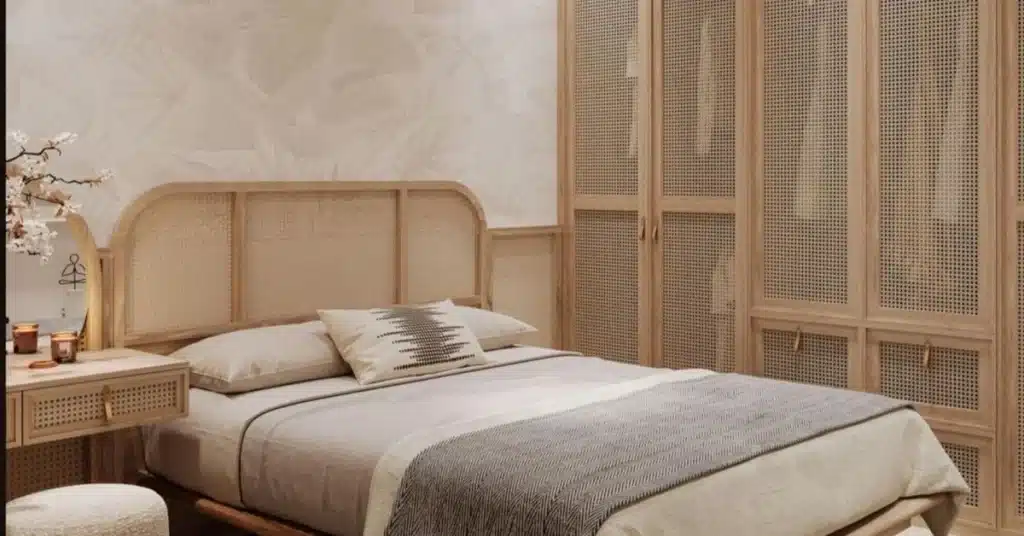
Scandinavian design is one of the most searched interior styles globally, and for good reason: it’s accessible, warm, and genuinely comfortable. It borrows from the Nordic concept of hygge, a Danish/Norwegian word that describes a feeling of coziness, contentment, and quiet togetherness.
Key characteristics:
- Light wood tones pale oak, ash, or pine
- Natural textiles linen, cotton, wool in off-white or earth tones
- Functional beauty things are beautiful because they work well
- Soft lighting candles, warm-toned bulbs, low lamps
Japandi is a newer hybrid of Scandinavian and Japanese design philosophies. Both share a respect for natural materials, simplicity, and craftsmanship but Japandi tends to be slightly darker and more restrained, pulling from wabi-sabi, the Japanese aesthetic of finding beauty in imperfection.
Brands like IKEA, Ferm Living, &Tradition, and Muuto are closely associated with this look. Designers like Cecilie Manz (Denmark) and Jasper Morrison have shaped what this style looks like in contemporary homes.
If your quiz results landed here, focus on textural warmth over visual complexity. The room should feel like a calm morning unhurried, natural, gently lit.
Bohemian / Eclectic Style
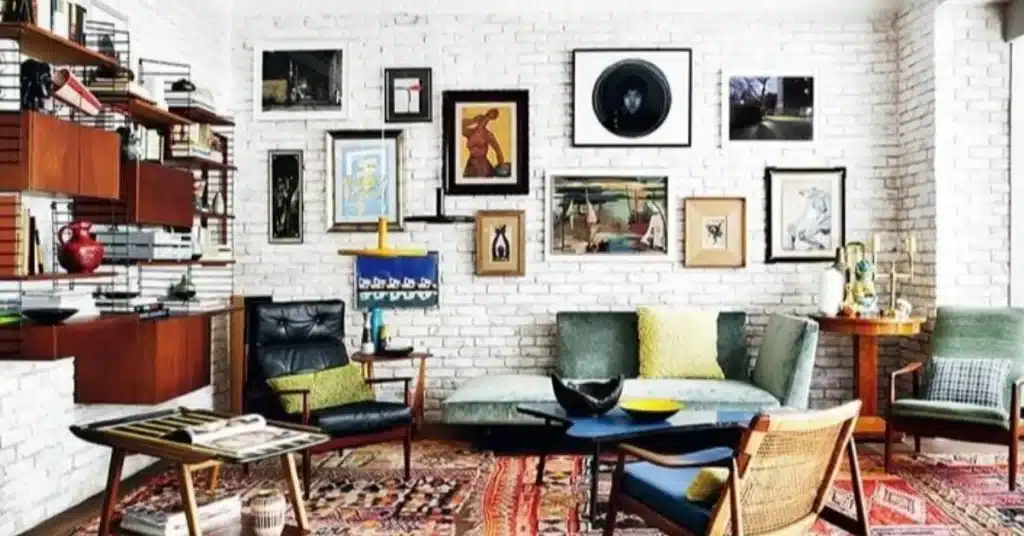
Bohemian interiors are the most personal of all the styles, because they resist formulas. A true bohemian space is built layer by layer, object by object, over time. It usually reflects actual travel, actual experiences, actual history.
What ties it together:
- Pattern mixing florals with geometrics, stripes with ikat, kilim rugs with printed cushions
- Global influences Moroccan lanterns, Indian block print textiles, West African woven baskets
- Natural and vintage materials rattan, macramé, hand-thrown ceramics, secondhand furniture
- Abundant plant life trailing pothos, monstera, dried pampas grass, pressed botanicals
- Color without fear jewel tones, terracotta, rust, deep teal
The risk in this style is the line between collected and cluttered. The best bohemian spaces have a clear color story underneath the layering a dominant tone that ties the chaos together. Designers like Justina Blakeney (author of The New Bohemians) have done excellent work making this aesthetic feel cohesive.
If this is your style, stop buying new and start curating what you already have. Edit, rearrange, and let the room evolve. Thrift stores, estate sales, and artisan markets are your best sources.
Traditional / Classic / Transitional Style
Traditional design is the most misunderstood style category. People assume it means old-fashioned or heavy. In practice, it means considered spaces built on proportion, craftsmanship, and a respect for historical design.
The markers:
- Symmetrical arrangements matching lamps, paired armchairs, balanced vignettes
- Rich materials hardwood floors, wool rugs, silk and velvet upholstery
- Warm, deep color navy, hunter green, burgundy, ivory, chocolate brown
- Architectural details crown molding, coffered ceilings, wainscoting, built-in bookshelves
- Antiques and heirlooms pieces with age and story
Transitional design sits between traditional and contemporary; it takes the proportions and warmth of traditional spaces and strips away the fussiness. Clean-lined furniture in classic shapes. Neutral walls with richer accents. This is why it’s consistently one of the most popular styles in North American homes.
Interior designers like Miles Redd, Bunny Williams, and Mark D. Sikes are recognized authorities in this aesthetic.
Industrial / Urban Loft Style
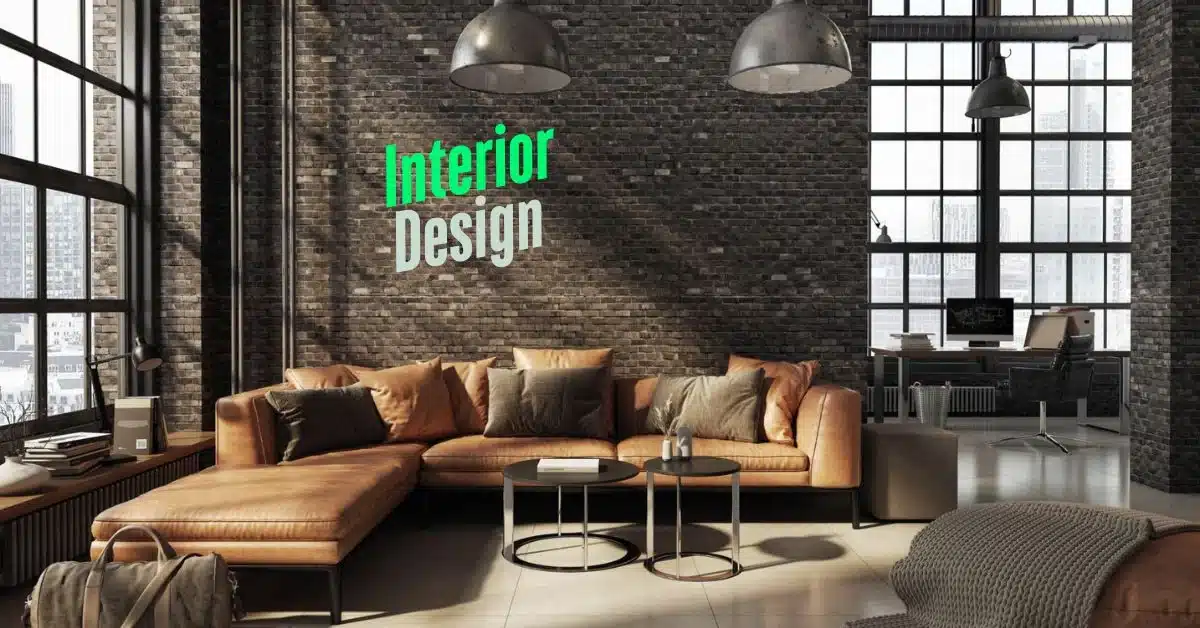
Industrial design takes its cues from converted warehouses, printing factories, and manufacturing spaces but filtered through a designer’s eye. It’s honest about materials in a way other styles aren’t.
The visual signatures:
- Exposed structural elements brick walls, concrete floors, steel beams
- Raw material palette iron, weathered wood, aged leather, pipe fittings
- Edison bulbs and metal cage lighting
- Open shelving displaying books, equipment, and tools as decor
- Dark, moody color palette charcoal, rust, raw umber, slate
The best industrial spaces avoid feeling like a stage set by mixing in warmth: a sheepskin throw, a worn leather Chesterfield, a Kilim rug on the concrete floor. Pure industrial with no softening reads as cold.
Hybrid Styles: What a Tie Means
| Style Combination | What It Looks Like |
|---|---|
| Minimalist + Scandinavian | Japandi — warm, minimal, clutter-free spaces with natural textures and calm tones |
| Bohemian + Traditional | Collected Eclecticism — antiques, global textiles, layered warmth, rich personality |
| Industrial + Minimalist | Modern Loft — raw materials, clean lines, open space, zero visual clutter |
| Scandinavian + Bohemian | Boho-Nordic — airy spaces with plants, linen fabrics, rattan, and soft neutral colors |
| Traditional + Contemporary | Transitional — classic structure blended with modern finishes and updated materials |
Scoring close between two styles isn’t a problem it’s often the most accurate result. The most beautiful, liveable interiors are usually hybrids.
How to Apply Your Quiz Results to an Actual Room
Knowing your style is step one. Here’s how to actually use that information.
Start with a mood board
Before you buy anything, collect images that feel like your style. Pinterest boards, magazine tears, screenshots whatever works. Then look at what the images have in common. That pattern becomes your reference.
Work the “5 Layer” method
Professional designers typically build rooms in five layers:
- Architecture paint color, flooring, moldings, fixed surfaces
- Large furniture sofa, bed, dining table, major pieces
- Accent furniture side tables, chairs, ottomans, shelving
- Textiles rugs, curtains, cushions, throws
- Accessories art, lighting, plants, objects
Your style dictates decisions at every layer, not just the accessories at the end.
The 60-30-10 color rule
Most interior designers use this ratio: 60% dominant color (walls, large furniture), 30% secondary color (accent chairs, rugs, curtains), 10% accent color (cushions, art, accessories). This works for every style just swap the colors for your palette.
Buy investment pieces in your anchor style
If you’re a Scandinavian-Bohemian hybrid, invest in quality Scandi pieces (the sofa, the dining table) and layer bohemian personality on top with lower-cost textiles, plants, and vintage finds. Your anchor style determines where the money goes.
Common Interior Design Style Mistakes (And How to Avoid Them)
Mixing too many styles without a bridge element. A single color, material, or era can tie wildly different pieces together. Without it, the room feels random.
Buying furniture before settling on a style. Start with your quiz result, build a mood board, then shop.
Underestimating the power of lighting. Every style reads better with the right light. Warm-toned bulbs (2700K-3000K) work for almost every residential style except stark minimalism, which can handle slightly cooler light.
Ignoring scale. A tiny side table next to an oversized sofa breaks the visual logic of a room regardless of style.
Decorating for photos, not for living. The best-designed rooms look good in photographs and function beautifully for the people who live in them. If you’re scared to sit on your sofa, something went wrong
Interior Design Styles: Quick Comparison Tab
| Style | Key Materials | Color Palette | Feel | Best For |
|---|---|---|---|---|
| Minimalist | Concrete, glass, steel, linen | White, grey, black | Calm, ordered | Small spaces, open-plan layouts |
| Scandinavian / Nordic | Oak, linen, wool, ceramic | Off-white, warm grey, natural wood tones | Cozy, functional | Family homes, apartments |
| Japandi | Bamboo, rattan, matte ceramics | Beige, charcoal, forest green | Serene, grounded | Modern homes, studios |
| Bohemian | Rattan, macramé, vintage fabrics | Terracotta, jewel tones | Layered, expressive | Creatives, collectors |
| Traditional | Hardwood, silk, velvet | Navy, green, burgundy | Refined, warm | Period homes, larger spaces |
| Industrial | Steel, concrete, reclaimed wood | Charcoal, rust, raw brown | Raw, edgy | Lofts, urban apartments |
| Transitional | Mixed materials (wood, fabric, metal) | Neutrals with rich accents | Balanced, timeless | Most home types |
What Interior Designers Look for When They Give You a Style Quiz
Most certified interior designers (through organizations like ASID, NCIDQ, or BIID in the UK) don’t rely on a single style label from a quiz. They’re looking for several things underneath the answers:
Emotional drivers What feeling are you seeking? Security, freedom, calm, stimulation? Style is a means to an emotional end.
Lifestyle compatibility Do you have children? Pets? Do you host often? A bohemian room full of delicate ceramics and white linen isn’t a great fit for a family with three kids and a dog.
Budget signals Some styles are inherently more expensive (traditional, with its emphasis on craftsmanship and antiques). Others can be done brilliantly on a budget (Scandinavian, industrial, bohemian).
Spatial constraints Minimalism can make a small room feel larger. Traditional design typically needs height and square footage to breathe.
A good interior designer uses your style quiz results as a starting point for a conversation, not a final verdict. The same is true when you take a quiz on your own.
How to Apply Your Interior Design Style Quiz Results
Getting your quiz result is step one. Here’s how to turn a style archetype into an actionable design plan:
Step 1 — Create a Style Board Use Pinterest, Canva, or a physical mood board. Collect 20–30 images that align with your quiz result. Look for the recurring elements: color temperature, material types, furniture scale.
Step 2 — Audit Your Existing Pieces Identify which current furniture and décor items align with your new style archetype. Keep what fits; plan to replace or donate what doesn’t gradually.
Step 3 — Establish a Color Palette Limit yourself to one dominant color, one secondary color, and one accent. Interior designers call this the 60-30-10 rule 60% dominant (walls/floors), 30% secondary (large furniture), 10% accent (accessories).
Step 4 — Shop With a Filter Use your style name as a search modifier: “minimalist floor lamp,” “bohemian throw pillow,” “mid-century modern coffee table.” This alone will cut browsing time by more than 50%.
Step 5 — Start With One Room Don’t redesign your entire home at once. Pick the room you spend the most time in usually the living room and nail the aesthetic there first before expanding.
Conclusion
An interior design style quiz isn’t just a fun personality test, it’s a strategic design tool. By clarifying your aesthetic identity before you buy, paint, or renovate, you make every future decision faster, cheaper, and more coherent. Whether you land on minimalist, bohemian, or somewhere beautifully in between, your quiz result is the compass that turns a house into a home.

As an admin, with a passion for transforming spaces and a sharp eye for design trends, I created Interior Design Style Quiz to help homeowners make confident, informed decisions about their homes from the curb all the way inside.