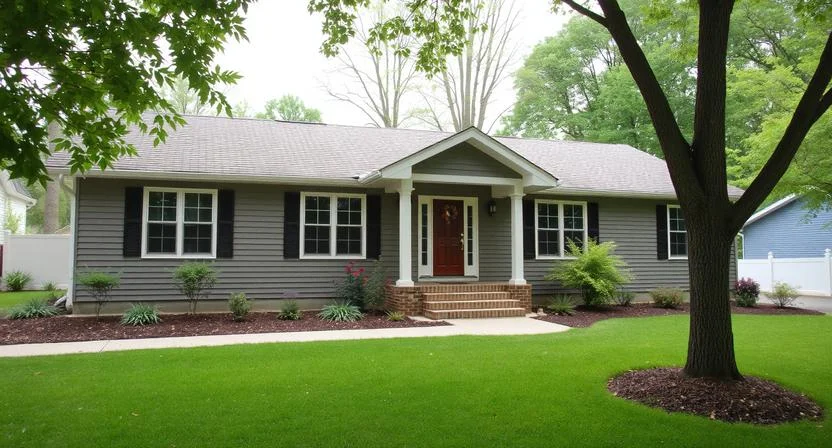
Small Ranch House Siding Ideas: Stop the Embarrassment
The best small ranch house siding ideas balances budget, durability, and aesthetics while complementing the home’s signature horizontal lines. Ranch-style homes feature wide footprints, single-story layouts, and a strong horizontal emphasis. Because the entire front facade sits at eye level, siding choice directly impacts curb appeal more than on multi-story homes.
Top performers include fiber cement for longevity, vinyl for affordability, and wood for natural warmth. For small ranch houses specifically, light colors and vertical siding profiles help the home feel larger and more proportionate.
Why Siding Choice Matters for Small Ranch Homes
Siding protects your home from weather, pests, and moisture while defining its architectural character. For small ranch houses, the right siding can:
- Make the home appear larger through strategic color and orientation choices
- Increase resale value buyers notice exterior condition immediately
- Reduce energy costs with insulated siding options
- Minimize maintenance with low-upkeep materials like vinyl and fiber cement
Siding Material Comparison for Ranch Houses
| Material | Cost per Sq Ft (Installed) | Maintenance | Lifespan | Best For |
|---|---|---|---|---|
| Vinyl | $4–$8 | Low | 20–40 years | Budget-conscious homeowners |
| Fiber Cement | $6–$12 | Low (repaint 10–15 yrs) | 30–50 years | Durability and weather resistance |
| Wood | $6–$15 | High (paint/seal 5–7 yrs) | 20–40 years | Natural, rustic charm |
| Engineered Wood | $4–$9 | Medium | 20–30 years | Wood look with better durability |
| Stucco | $6–$18 | Medium | 50+ years | Warm, dry climates |
| Brick/Stone Veneer | $10–$25+ | Low | 50+ years | Timeless, high-end appearance |
Top Siding Materials for Small Ranch Houses
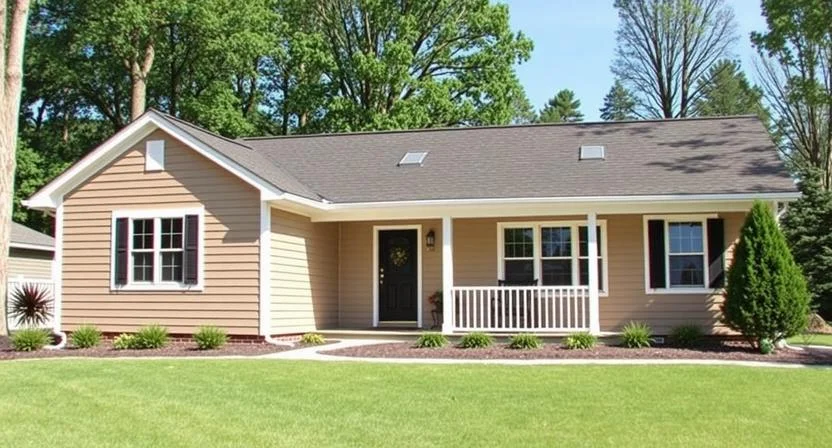
Vinyl Siding
Vinyl siding is the most popular choice for small ranch houses due to its affordability and versatility. It comes in hundreds of colors and textures, including options that mimic wood grain. Vinyl resists moisture, pests, and requires only occasional washing.
Best applications: Full-home coverage on budget-conscious projects. Available in horizontal lap, vertical, and shake styles.
Drawbacks: Can crack in extreme cold; not as durable as fiber cement over decades.
Fiber Cement Siding
Fiber cement siding combines cement, sand, and cellulose fibers for exceptional strength. It resists fire, pests, rot, and severe weather while holding paint for 10–15 years. James Hardie is the leading manufacturer, offering profiles like HardiePlank (horizontal lap), HardiePanel (vertical), and HardieShingle (shake look).
Best applications: Homes in harsh climates; homeowners prioritizing longevity and low maintenance.
Drawbacks: Higher upfront cost; professional installation required due to weight.
Wood Siding
Wood siding delivers unmatched natural warmth and authentic ranch character. Cedar and redwood are popular for their natural resistance to decay. Wood can be installed as horizontal planks, shingles, or shakes.
Best applications: Traditional ranch styles; homes where natural aesthetics are the priority.
Drawbacks: Requires regular painting or sealing every 5–7 years; susceptible to rot and insects without proper maintenance.
Engineered Wood Siding
Engineered wood siding offers the look of real wood with improved durability against moisture and pests. Products like LP SmartSide combine wood fibers with resins and zinc borate for enhanced protection.
Best applications: Homeowners wanting wood aesthetics with less maintenance than natural wood.
Drawbacks: Still requires periodic painting; lower lifespan than fiber cement.
Stucco Siding
Stucco provides a clean, textured look that suits ranch homes in warmer, drier climates. It offers excellent insulation and weather resistance when properly maintained.
Best applications: Southwestern and Mediterranean-style ranch homes; warm climate regions.
Drawbacks: Can crack in freeze-thaw cycles; requires professional application.
Brick and Stone Veneer
Brick and stone veneer add timeless character and exceptional durability. These materials require minimal maintenance and can last over 50 years. Faux stone panels offer a lightweight, cost-effective alternative.
Best applications: Accent walls, foundation cladding, and entryway features on ranch homes.
Drawbacks: Highest cost; professional installation required.
Design Strategies for small ranch house siding ideas
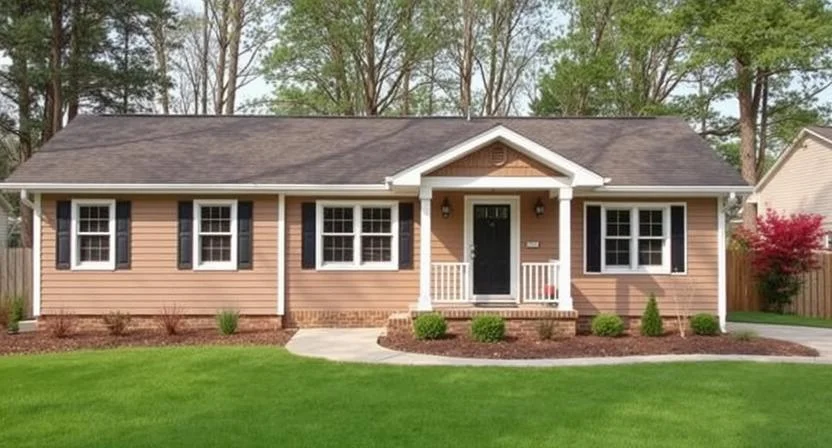
Use Vertical Siding to Add Height
Vertical siding particularly board-and-batten draws the eye upward, making small ranch houses appear taller. This is especially effective on gable ends or as an accent on the front facade. Board-and-batten features wide boards with narrow battens covering the seams.
Choose Light, Neutral Colors
Light colors like off-white, cream, beige, and light gray make small homes feel more spacious. These neutral tones also increase resale appeal and hide dust better than pure white.
Implement Two-Tone Color Schemes
Using a lighter color on the upper portion and a deeper shade below creates visual depth and breaks up the boxy ranch silhouette. Popular combinations include:
- Warm beige body + crisp white trim + taupe accents
- Charcoal siding + white trim + natural wood elements
- Sage green board-and-batten + cedar accents
Mix Textures and Materials
Combining different siding materials adds visual interest and prevents monotony. Effective combinations include:
- Horizontal lap siding on main walls + board-and-batten on gables
- Fiber cement siding + stone veneer around the foundation or entryway
- Vinyl shake panels in gable areas + smooth lap siding on lower walls
Add Architectural Accents
Trim work, shutters, and decorative elements enhance siding and create a finished look. Wide, dark window trim against lighter siding creates striking contrast. A bold front door color adds personality and becomes a focal point.
Cost Considerations for Small Ranch House Siding
For a typical 1,500-square-foot ranch house (approximately 1,800 sq ft of siding coverage), material and installation costs range:
| Material | Total Installed Cost (1,800 sq ft) |
|---|---|
| Vinyl | $7,200–$14,400 |
| Fiber Cement | $10,800–$21,600 |
| Wood | $10,800–$27,000 |
| Engineered Wood | $7,200–$16,200 |
| Stucco | $10,800–$32,400 |
Costs based on $4–$18 per square foot installed
Additional factors affecting cost:
- Removal of old siding: $1–$3 per square foot
- Rot repair: Varies based on extent of damage
- Insulation backing: Adds $1–$2 per square foot
- Premium colors or custom finishes: 10–25% upcharge
Climate Considerations by Region
| Climate | Recommended Siding | Avoid |
|---|---|---|
| Humid/Southeastern | Fiber cement, vinyl, engineered wood | Wood (rot risk) |
| Cold/Northeastern | Fiber cement, insulated vinyl | Stucco (freeze cracks) |
| Dry/Southwestern | Stucco, fiber cement, stone veneer | Wood (dry rot) |
| Coastal | Fiber cement, metal | Wood, vinyl (salt damage) |
| Mixed/Four Seasons | Fiber cement, engineered wood | Single-material solutions |
Maintenance Requirements
- Vinyl: Wash annually with mild detergent; inspect for cracks
- Fiber Cement: Repaint every 10–15 years; clean as needed
- Wood: Paint or seal every 5–7 years; inspect for rot and insects
- Engineered Wood: Repaint every 7–10 years; check for moisture damage
- Stucco: Inspect for cracks annually; reseal every 5–10 years
- Brick/Stone: Minimal; occasional cleaning and sealant application
Modern Trends for Ranch House Siding (2025–2026)
- Dark, bold colors: Charcoal, navy, and black are increasingly popular for modern ranch homes
- Board-and-batten vertical siding: Creates contemporary farmhouse aesthetic
- Mixed-material exteriors: Combining siding with stone, wood, or metal accents
- High-contrast trim: Dark window frames against light siding
- Sustainable materials: Fiber cement and engineered wood with recycled content
Conclusion
Selecting the right small ranch house siding ideas requires balancing budget, durability, aesthetics, and climate considerations. Vinyl offers the most affordable entry point, while fiber cement delivers unmatched longevity and low maintenance. Wood provides authentic charm but demands regular upkeep. For small ranch homes specifically, light colors, vertical siding profiles, and mixed materials create the illusion of more space and visual depth.
Prioritize materials that suit your local climate and maintenance tolerance. Invest in professional installation for materials like fiber cement and stucco. And remember the right siding choice protects your home, enhances curb appeal, and increases resale value for decades to come.
FAQs
Q: What is the most cost-effective siding for a small ranch house?
Vinyl siding is the most budget-friendly option at $4–$8 per square foot installed.
Q: How can I make my small ranch house look bigger with siding?
Use light neutral colors and vertical board-and-batten siding to create an illusion of height and space.
Q: Can I mix different siding styles on a ranch house?
Fiber cement siding lasts 30–50 years with minimal maintenance.
Q: Can I mix different siding styles on a ranch house?
Yes. Combining horizontal lap siding with vertical board-and-batten or stone veneer adds visual depth and modern appeal.
Q: What color siding is best for a small ranch house?
Light neutral colors like off-white, beige, cream, and light gray make small homes feel more spacious and have the highest resale appeal.

As an admin, with a passion for transforming spaces and a sharp eye for design trends, I created Interior Design Style Quiz to help homeowners make confident, informed decisions about their homes from the curb all the way inside.