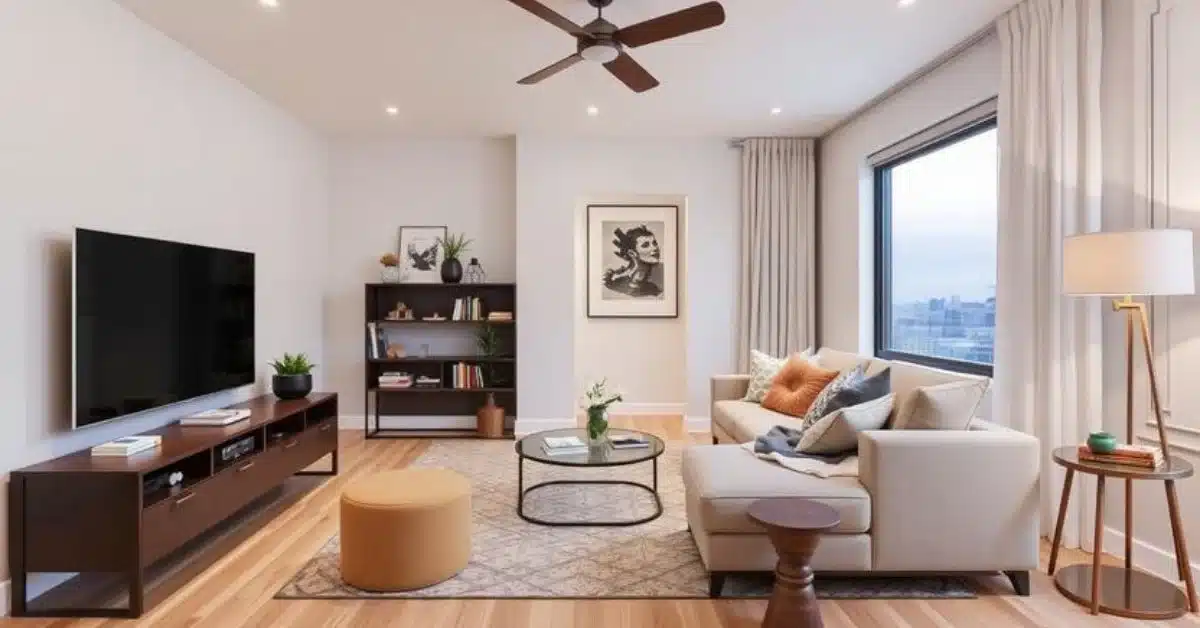
66 Modern Small Living Room Ideas That Work in Any Space
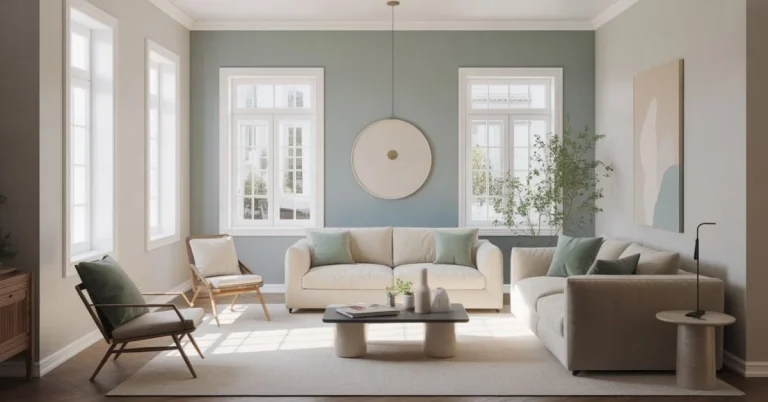
Modern small living room ideas focus on three principles: maximizing space, reducing visual clutter, and maintaining style. Whether your living room is 100 or 300 square feet, the right combination of layout, furniture scale, color, and lighting transforms a cramped space into a room that feels intentional and livable. These 66 ideas are organized by category for easy application.
Layout Ideas for Small Living Rooms
The right layout determines how functional a small living room feels before a single piece of furniture is purchased.
1. Float Furniture Away from Walls
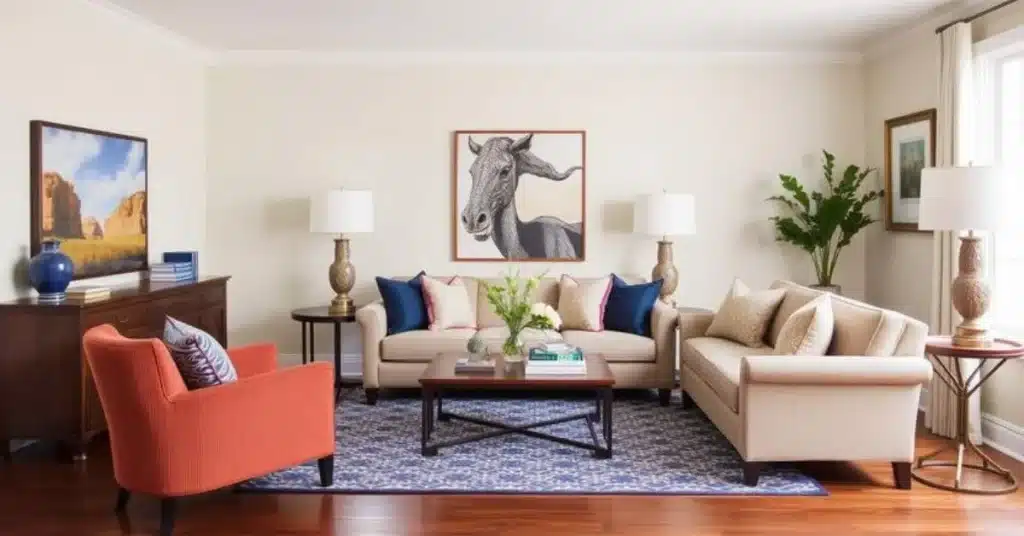
Pulling sofas and chairs 6 to 12 inches from walls creates visual breathing room and makes the space feel larger. Furniture pushed flat against every wall often looks forced and shrinks perceived space.
2. Use a Single Sofa Instead of a Full Suite
A loveseat or compact three-seater with one accent chair works better than a full sofa-and-loveseat combo in rooms under 200 square feet. It keeps the floor plan open and walkable.
3. Define the Seating Zone with a Rug
A 5×8 or 6×9 rug anchors the seating area without overwhelming the room. All front legs of furniture should sit on the rug. This creates a defined zone that makes the room feel complete.
4. Create an L-Shaped Seating Arrangement
An L-shaped layout using a sofa and a chaise or accent chair maximizes corner space and seats more people than a traditional parallel arrangement without requiring additional square footage.
5. Leave a Clear Traffic Path
Maintain at least 36 inches of walkway between furniture pieces. Blocked traffic flow makes any room feel smaller and more stressful to navigate.
6. Place the TV on the Narrowest Wall
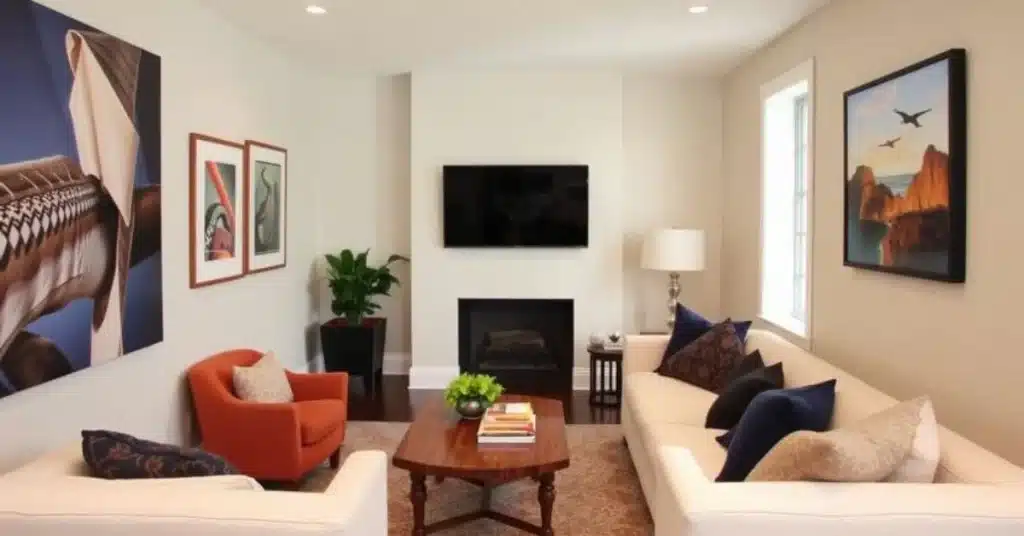
Mounting the TV on the narrowest wall forces seating to face it across the longer dimension of the room, which visually stretches the space.
7. Use Furniture as a Room Divider
In studio apartments, a low-profile sofa or open bookcase positioned with its back to the kitchen area defines the living space without closing it off.
8. Opt for an Open Floor Plan Where Possible
Removing or avoiding unnecessary partitions between the living room and adjacent spaces keeps natural light flowing and eliminates visual barriers that compress the room.
Furniture Ideas for Small Living Rooms
Furniture scale and function determine how much usable space remains after the room is furnished.
9. Choose Leggy Furniture
Sofas, chairs, and tables with visible legs allow light to pass underneath, which lifts the visual weight of each piece. This is one of the most effective scale tricks for compact rooms.
10. Buy a Sofa with Built-In Storage
Several modern sofa designs include under-seat storage drawers or lift-up bases. These replace the need for a separate storage ottoman or blanket chest.
11. Use a Storage Ottoman as a Coffee Table
A large storage ottoman with a tray on top functions as a coffee table, extra seating, and hidden storage simultaneously. It is softer and more flexible than a hard coffee table in tight spaces.
12. Select a Loveseat Over a Full Sofa
Loveseats (typically 52 to 64 inches wide) free up 20 to 30 inches of floor space compared to standard three-seat sofas. Modern loveseat designs no longer look undersized.
13. Use Nesting Tables Instead of a Standard Coffee Table
Nesting tables slide under each other when not in use, freeing floor space. They can be separated when entertaining and consolidated during everyday use.
14. Mount the TV Instead of Using a TV Stand
A wall-mounted TV eliminates the TV stand entirely, freeing 10 to 15 square feet of floor space for other furniture or clear floor area.
15. Add a Sleeper Sofa for Dual Function
A modern sleeper sofa serves as both everyday seating and a guest bed, eliminating the need for a separate guest room in small homes.
16. Choose a Transparent or Glass Coffee Table
Acrylic or glass coffee tables take up visual space without adding visual weight. The eye passes through them, keeping the floor plan looking open.
17. Use Wall-Mounted Side Tables
Folding wall-mounted side tables can be dropped down when needed and stored flat when not in use, eliminating the footprint of traditional side tables entirely.
18. Select Armless Chairs
Armless accent chairs take up 20 to 30 percent less visual space than traditional armchairs while still providing comfortable seating in a small living room.
19. Use a Bench Along One Wall
A slim upholstered bench against one wall provides extra seating without permanently occupying floor space. It can double as a display surface or entryway landing zone.
20. Invest in a Modular Sofa
Modular sectionals can be reconfigured as the room’s needs change. Starting with two or three modules keeps the footprint manageable while allowing expansion later.
Storage and Organization Ideas
In small living rooms, visible clutter is the primary enemy of both style and function.
21. Install Floor-to-Ceiling Shelving
Vertical shelving units that run from floor to ceiling draw the eye upward and maximize storage without consuming additional floor space. IKEA’s BILLY system or custom built-ins both achieve this.
22. Use Floating Shelves Above Furniture
Floating shelves installed 12 to 18 inches above a sofa provide display and storage space that would otherwise go unused. They keep items off the floor and coffee table.
23. Add a Media Console with Closed Storage
A media console with cabinet doors conceals cables, gaming equipment, and media clutter behind clean fronts. Open shelving in media consoles tends to accumulate visual noise quickly.
24. Use Decorative Baskets and Bins
Woven baskets or fabric bins placed on lower shelves contain remotes, charging cables, throws, and everyday clutter. They look intentional while functioning as concealed storage.
25. Install a Built-In Entertainment Wall
A full built-in entertainment wall with the TV centered and shelves flanking both sides is the most space-efficient solution for small living rooms with no separate office or library.
26. Use the Space Under a Console Table
A narrow console table placed behind a floating sofa creates a secondary surface for lamps, decor, and storage baskets underneath without adding furniture bulk.
27. Hang a Gallery Wall Instead of Using Shelves
A gallery wall displays art, photos, and small decor items vertically without requiring any floor or surface space. It creates visual interest above the sofa on empty wall sections.
Color Ideas for Small Living Rooms
Color directly affects the perceived size and mood of a small living room.
28. Use Warm White or Off-White on All Walls
Warm whites such as Benjamin Moore White Dove or Sherwin-Williams Alabaster reflect the maximum light without the coldness of pure white. They make walls recede visually.
29. Paint the Ceiling the Same Color as the Walls
Painting walls and ceiling the same color eliminates the hard horizontal line where the wall meets the ceiling, which makes the room feel taller and more continuous.
30. Try a Monochromatic Color Scheme
Using varying shades of one color across walls, upholstery, and textiles reduces visual fragmentation. A monochromatic beige or greige room reads as calmer and larger than a mixed-color room.
31. Use Dark Accent Colors Strategically
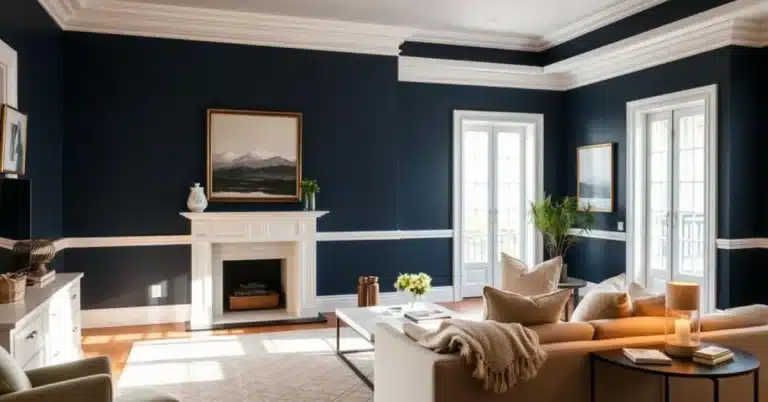
A single dark accent wall behind the sofa or TV adds depth without shrinking the room, provided the other three walls remain light. Deep navy, forest green, or charcoal work well.
32. Use Color on Built-Ins to Blend Them into the Wall
Painting built-in shelves or cabinetry the same color as the surrounding wall makes large storage units recede visually rather than dominate the room.
33. Bring in Color Through Textiles, Not Paint
Throw pillows, blankets, and rugs are the most reversible way to add color to a small living room. They can be swapped seasonally without repainting.
34. Use Natural Wood Tones as a Neutral Base
Light or medium wood tones on flooring, furniture, and shelving add warmth without competing with wall color. They read as neutral while preventing the room from feeling sterile.
Lighting Ideas for Small Living Rooms
Lighting is the fastest and most affordable way to transform how a small living room feels.
35. Layer Three Types of Lighting
Every small living room needs ambient lighting (overhead), task lighting (reading lamps), and accent lighting (shelf lights, wall sconces). Relying on a single overhead fixture makes rooms feel flat and smaller.
36. Install a Flush-Mount or Semi-Flush Ceiling Light
Low-profile ceiling fixtures work better in rooms with 8-foot or lower ceilings than hanging pendants or chandeliers, which compress headroom visually.
37. Use Sconces to Free Up Surface Space
Wall sconces flanking a TV or sofa eliminate the need for floor or table lamps, freeing surface and floor space while adding architectural detail.
38. Add LED Strip Lighting Under Shelving
LED strip lights installed on the underside of floating shelves create ambient glow that makes the room feel larger and more layered without adding any floor fixtures.
39. Use Tall Arc Floor Lamps Strategically
A single tall arc floor lamp positioned over a reading chair provides task lighting and vertical visual interest. Arc lamps draw the eye upward, which makes ceilings feel higher.
40. Maximize Natural Light with Sheer Curtains
Sheer linen or cotton curtains allow daylight to diffuse through while providing privacy. Heavy blackout curtains in small living rooms block light that makes the space feel larger.
41. Hang Curtains from Ceiling to Floor
Installing curtain rods at ceiling height and letting curtains fall to the floor elongates walls visually, even if the actual window is much shorter. This is one of the highest-impact low-cost changes.
Mirror and Reflective Surface Ideas
Mirrors are a design tool, not merely a decorative accessory, in small living rooms.
42. Place a Large Mirror Opposite a Window
A large mirror positioned directly opposite a window reflects natural light back into the room and creates the illusion of a second window. The effect is strongest with mirrors at least 36 inches wide.
43. Use a Floor-Length Leaning Mirror
A leaning full-length mirror in a corner reflects the entire room and elongates walls without requiring wall mounting. It works well in rental apartments where wall modifications are restricted.
44. Choose Furniture with Reflective Surfaces
Glass-topped tables, lacquered side tables, and metallic lamp bases bounce light around the room, contributing to a brighter and more open appearance without adding more actual fixtures.
45. Install Mirrored Cabinet Doors
Sliding mirrored closet or cabinet doors reflect the entire living space, which effectively doubles the visual depth of the room. This works especially well in small apartments.
Decor and Styling Ideas
Decor choices determine whether a small living room feels curated or cluttered.
46. Choose One Focal Point
Every small living room should have a single intentional focal point, whether the TV, a fireplace, a gallery wall, or a large piece of art. Multiple competing focal points create visual chaos.
47. Use Large-Scale Art Instead of Many Small Pieces
One large artwork (24×36 inches or bigger) reads as confident and open. A collection of small frames creates busyness that makes the walls feel closed in.
48. Limit Throw Pillows to Two or Three
More than three throw pillows on a small sofa consumes visual space and makes the seating look crowded. Two to three pillows in cohesive colors is the practical maximum.
49. Use Plants to Add Life Without Bulk
A single large floor plant (fiddle leaf fig, snake plant, or olive tree) adds organic texture and color without the footprint of additional furniture. Avoid multiple small plants scattered across surfaces.
50. Keep the Coffee Table Styled Minimally
A coffee table vignette with three items maximum, such as a tray, one book stack, and a small plant, reads as intentional. More than five items creates a cluttered focal point at the center of the room.
51. Hang Artwork at Eye Level, Not Higher
Art hung too high disconnects from furniture and creates a floating effect that makes ceilings feel lower. Standard gallery height is 57 to 60 inches from floor to the center of the artwork.
52. Use Textured Neutrals for Visual Depth
Textured throw blankets, boucle pillows, and woven rugs in neutral tones add tactile richness to a small living room without adding color or pattern that fragments the space.
53. Incorporate One Statement Piece
One bold design element, whether a sculptural chair, a patterned rug, or a brightly colored sofa, gives the room personality without overwhelming a small floor plan.
Vertical Space Ideas
Vertical space is the most consistently underutilized asset in small living rooms.
54. Use Tall Bookshelves to Anchor the Room
A bookshelf that reaches 7 to 8 feet tall establishes scale and stores more without expanding the footprint beyond what a shorter unit would require.
55. Mount Plants and Greenery High
Trailing plants in wall-mounted planters or macrame hangers placed near the ceiling add life at a level that keeps floor and surface space clear.
56. Install Picture Rail Molding
Picture rail molding near the ceiling allows artwork and mirrors to be hung without wall anchors, making it renter-friendly while also drawing the eye upward.
57. Stack Storage Vertically in Corners
Corner shelving units that stack from floor to near-ceiling convert dead corner space into functional storage without interrupting the main wall surfaces.
Small Living Room Ideas by Style
58. Modern Minimalist
Stick to a strict two-color palette, hide all cables, and limit decor to five to seven items total. Furniture should be low-profile with clean straight lines.
59. Scandinavian
Use light wood, warm white walls, textured neutrals, and functional furniture. Hygge-inspired styling works well in small spaces because it favors restraint and warmth over accumulation.
60. Bohemian
Layer textiles, plants, and mixed patterns but anchor everything with a light wall color. Bohemian style in small rooms works when all pieces share a warm color family.
61. Mid-Century Modern
Leggy furniture, tapered wood legs, and warm walnut tones are naturally small-space-friendly. Mid-century pieces typically have a smaller footprint than contemporary overstuffed alternatives.
62. Industrial
Exposed brick or concrete-look paint, metal shelving, and Edison bulb lighting create an intentional, editorial feel in compact urban living rooms.
63. Coastal or Beach-Inspired
White walls, natural linen, light wood, and blue or sand accents keep a small living room feeling airy and light without requiring ocean proximity.
Budget-Friendly Small Living Room Ideas
64. Rearrange Before Buying Anything
A layout change costs nothing and often produces dramatic results. Moving the sofa to face a different wall or floating furniture toward the center can transform the room’s functionality.
65. Paint One Accent Wall for Under $50
A single accent wall in a deep color adds visual depth and a sense of deliberate design without the cost or commitment of painting an entire room.
66. Swap Hardware and Lighting Fixtures
Replacing dated light fixtures and cabinet hardware is among the highest return-on-investment updates in a small living room. New fixtures typically cost $30 to $150 and take under an hour to install.
Conclusion
Small living rooms reward deliberate design. The 66 ideas above cover every design layer from layout and furniture scale to color, lighting, storage, and styling. The most effective small living room transformations combine at least three strategies simultaneously: a light color palette, leggy or multifunctional furniture, and vertical storage. None of these changes require significant renovation budgets. The highest-impact updates, including rearranging furniture, painting, swapping lighting, and adding mirrors, cost under $300 and can be completed in a weekend.
FAQs
What is the best layout for a small living room?
The best layout for a small living room floats furniture away from walls, uses a single sofa with one or two accent chairs, defines the seating zone with a rug, and leaves at least 36 inches of clear walking path. Facing seating across the room’s longest dimension visually stretches the space.
What colors make a small living room look bigger?
Warm whites, soft off-whites, and light greiges make small living rooms look bigger by maximizing light reflection. Painting the ceiling the same color as the walls removes the visual ceiling drop. A single dark accent wall on one surface adds depth without shrinking the room.
What size rug is best for a small living room?
A 5×8 or 6×9 rug is best for most small living rooms. All front legs of the sofa and chairs should sit on the rug. A rug that is too small makes furniture float disconnectedly, which fragments the visual space.
How do I make a small living room feel less cluttered?
Limit visible items on each surface to three or fewer. Use closed storage for everyday clutter like remotes, cables, and magazines. Choose furniture with built-in storage. Maintain clear floor space wherever possible, and group similar items in decorative containers.
Can a sectional sofa work in a small living room?
Yes, a small modular sectional (two to three pieces) can work in a living room as small as 12×12 feet if the pieces are appropriately scaled. L-shaped sectionals should be positioned along two walls to preserve the center floor area. Avoid oversized sectionals with chaise extensions in rooms under 150 square feet.
What type of lighting is best for a small living room?
Layered lighting is best for small living rooms. Combine ambient overhead lighting with task lamps for reading areas and accent lighting for shelves or artwork. Sconces free up surface space. Avoid relying on a single overhead fixture, which creates flat, shadowless light that shrinks the room visually.
How should I arrange furniture in an awkward small living room?
Start by identifying the primary focal point (TV, window, or fireplace) and orient seating toward it. Use the largest uninterrupted wall for the main sofa. Place accent chairs at angles rather than parallel to the sofa to break the boxed-in feeling. Measure clearances before purchasing any furniture.

As an admin, with a passion for transforming spaces and a sharp eye for design trends, I created Interior Design Style Quiz to help homeowners make confident, informed decisions about their homes from the curb all the way inside.