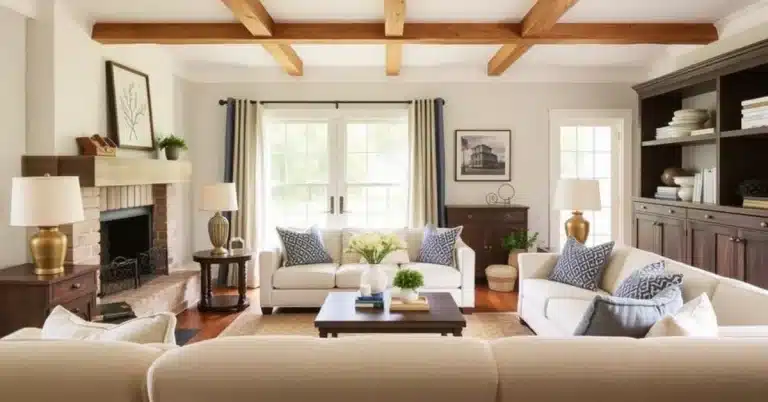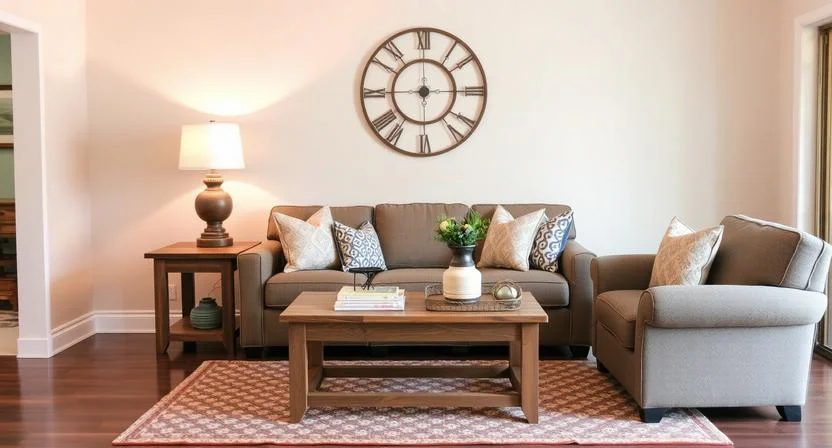
Urgent: Artisan Home Decor That Sells Out Fast
Artisan home decor is home goods made by hand or in small batches by individual craftspeople or small studios, using skill based techniques instead of automated factory production. Each piece carries small natural variations that prove human craftsmanship.
The term “artisan” comes from the same root as “artisanal,” meaning traditionally and skillfully made. In home decor, this applies to pottery, textiles, woodworking, metalwork, glass, and mixed media pieces produced in limited quantities.
Unlike mass market decor from big box retailers, artisan pieces are rarely identical. A hand thrown ceramic bowl will have subtle differences from the next one off the same wheel, even from the same maker.
Artisan vs Mass Produced Decor: What’s the Difference?
Artisan decor is made by hand in small quantities with visible individual character. Mass produced decor is machine manufactured at scale with uniform, identical results across thousands of units.
| Factor | Artisan Home Decor | Mass Produced Decor |
|---|---|---|
| Production method | Hand made or small batch | Factory automated |
| Uniqueness | Each piece slightly different | Identical across units |
| Typical price | $30 to $500+ | $5 to $80 |
| Materials | Natural, often locally sourced | Often synthetic or bulk sourced |
| Production time | Days to weeks per piece | Minutes per unit |
| Environmental impact | Generally lower per maker | Higher due to scale manufacturing |
| Availability | Limited runs, may sell out | Continuously restocked |
Why Does Artisan Home Decor Matter?
Artisan decor matters because it supports independent makers, reduces reliance on mass manufacturing, and brings texture and individuality into homes that often look identical due to widely available big box products.
Search interest in handmade and small batch home goods has grown steadily as buyers push back against fast furniture and disposable decor trends. Consumers increasingly want pieces with a story, a maker, and a material origin they can trace.
For small living room decor projects specifically, one or two well chosen artisan pieces (a woven wall hanging, a hand thrown vase) can anchor a room far more effectively than several mass produced accents competing for attention.
What Materials and Techniques Define Artisan Decor?
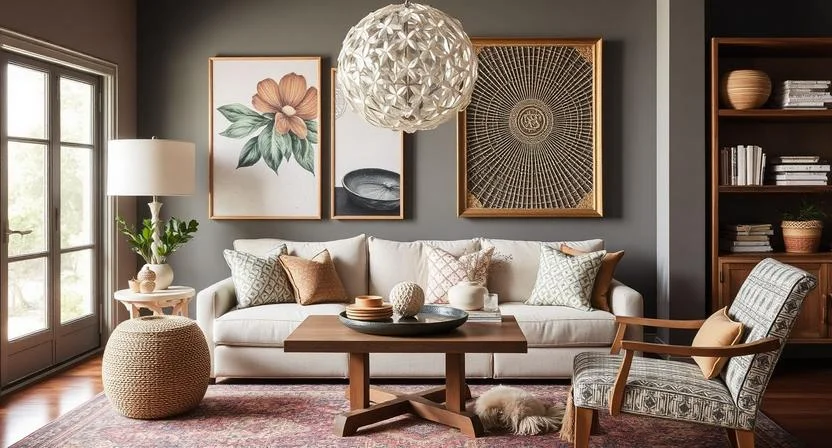
Artisan decor spans five core categories: ceramics, textiles, woodwork, metalwork, and glass. Each uses distinct hand crafted techniques that separate it from factory output.
Ceramics and Pottery
Hand thrown on a pottery wheel or hand built using coil and slab methods. Glazes are often mixed by the maker, producing color variation batch to batch that mass produced ceramics cannot replicate.
Textiles
Hand loomed, hand woven, or hand dyed using techniques like natural dye baths, block printing, or macrame knotting. Natural fibers such as wool, cotton, and jute are common because they hold dye and texture better than synthetics.
Woodwork
Hand carved, hand turned, or joined using traditional woodworking joints rather than nails or machine fasteners. Reclaimed and locally sourced wood is common among artisan woodworkers.
Metalwork
Hand forged or hand hammered using blacksmithing or metal spinning techniques. Wrought iron candle holders and hand hammered copper bowls are typical examples.
Glass
Hand blown or kiln formed, producing organic shapes and air bubble patterns that mold cast glass cannot replicate exactly.
How Much Does Artisan Home Decor Cost?
Artisan home decor typically costs $30 to $500 or more per piece, depending on material, size, technique complexity, and the maker’s reputation. Ceramics and small textiles sit at the lower end, while statement furniture pieces sit highest.
| Category | Typical Price Range |
|---|---|
| Small ceramic bowl or mug | $25 to $75 |
| Hand woven wall hanging | $50 to $200 |
| Hand thrown vase (medium) | $60 to $180 |
| Hand forged metal decor | $40 to $250 |
| Hand blown glass piece | $80 to $300 |
| Statement furniture (side table, stool) | $200 to $800+ |
Prices reflect the time investment behind each piece. A single hand thrown vase can take 45 minutes to form plus days of drying and firing, which factory processes compress into seconds.
How Do You Spot Authentic Artisan Decor?
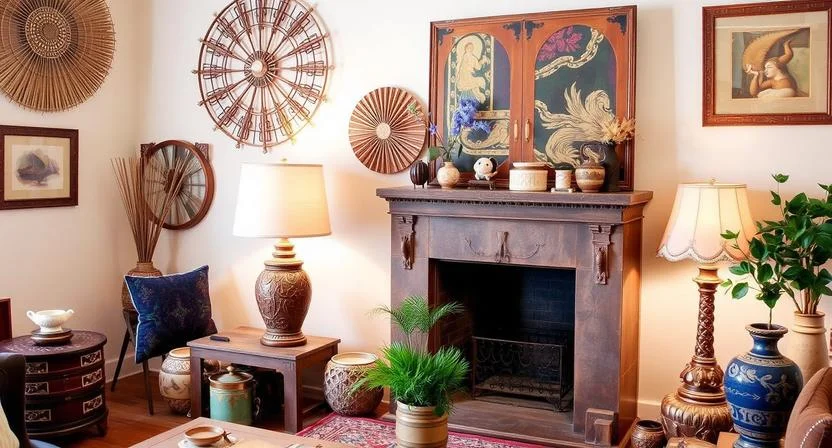
Authentic artisan decor shows natural imperfections, a maker’s signature or stamp, limited production numbers, and transparent information about where and how it was made. Sellers who can’t answer basic questions about the maker are a red flag.
Checklist for verifying authenticity:
- Look for a maker’s mark, signature, or stamp on the underside or base
- Ask if the seller can name the specific artisan or workshop
- Check for slight asymmetry, tool marks, or brushstroke variation, all signs of hand work
- Confirm whether the piece is part of a limited run or ongoing collection
- Review material sourcing information (where the clay, wood, or fiber came from)
If two “artisan” pieces look perfectly identical down to the millimeter, they were likely mold cast or machine produced, not hand made.
Best Practices for Styling Artisan Decor at Home

Use artisan pieces as focal points rather than background filler. One statement bowl, hand woven throw, or hand thrown lamp base does more visual work than five smaller accents competing for attention.
- Mix one artisan material family per surface (ceramic with wood, not five different materials stacked together)
- Let negative space surround the piece so its texture and imperfections stay visible
- Group odd numbers (three, five) when displaying smaller artisan objects like bowls or vases
- Pair matte artisan finishes with one glossy element to prevent a flat, overly rustic look
- In small living room decor layouts, prioritize one large artisan anchor piece over several small ones to avoid visual clutter
Where to Buy Artisan Home Decor
Buy directly from maker websites, verified Etsy shops with production details, local craft fairs, or specialty retailers that disclose sourcing. Avoid listings labeled “artisan style” or “artisan inspired,” which usually indicate mass production.
Direct-from-maker purchases typically cost less than gallery markups and let you ask questions about materials and process before buying.
Drawbacks of Artisan Home Decor
Artisan decor costs more, takes longer to ship due to made-to-order production, and pieces can sell out permanently since they’re not restocked identically. Buyers also can’t always return custom or made-to-order items.
These tradeoffs are the cost of uniqueness. A factory can restock an item indefinitely; a single maker cannot replicate a sold piece exactly, which is part of what makes artisan decor valuable in the first place.
Conclusion
Artisan home decor delivers something factory production can’t: individual character, traceable craftsmanship, and support for independent makers. It costs more and takes longer to arrive, but for buyers building a small living room decor scheme or refreshing any room with texture, one authentic hand made piece outperforms several mass produced accents. Use the authenticity checklist above before buying, and prioritize sellers who can name their maker and explain their materials.
FAQs
What does “artisan” mean in home decor?
It means handmade or small batch, produced by an individual craftsperson or small studio rather than a factory.
Is artisan decor worth the extra cost?
Yes for buyers who want unique, traceable pieces; the higher price reflects labor time and material quality, not just branding.
How can I tell if decor is really handmade?
Check for a maker’s signature, natural imperfections like tool marks or asymmetry, and a seller who can name the specific artisan.
What’s the difference between artisan and boutique home decor?
Artisan means individually hand crafted; boutique simply means sold through a small curated retailer, which may still stock mass produced items.
Where is the best place to buy authentic artisan decor?
Direct maker websites, verified Etsy artisan shops, and local craft fairs typically offer the most transparent sourcing and the best prices.

As an admin, with a passion for transforming spaces and a sharp eye for design trends, I created Interior Design Style Quiz to help homeowners make confident, informed decisions about their homes from the curb all the way inside.