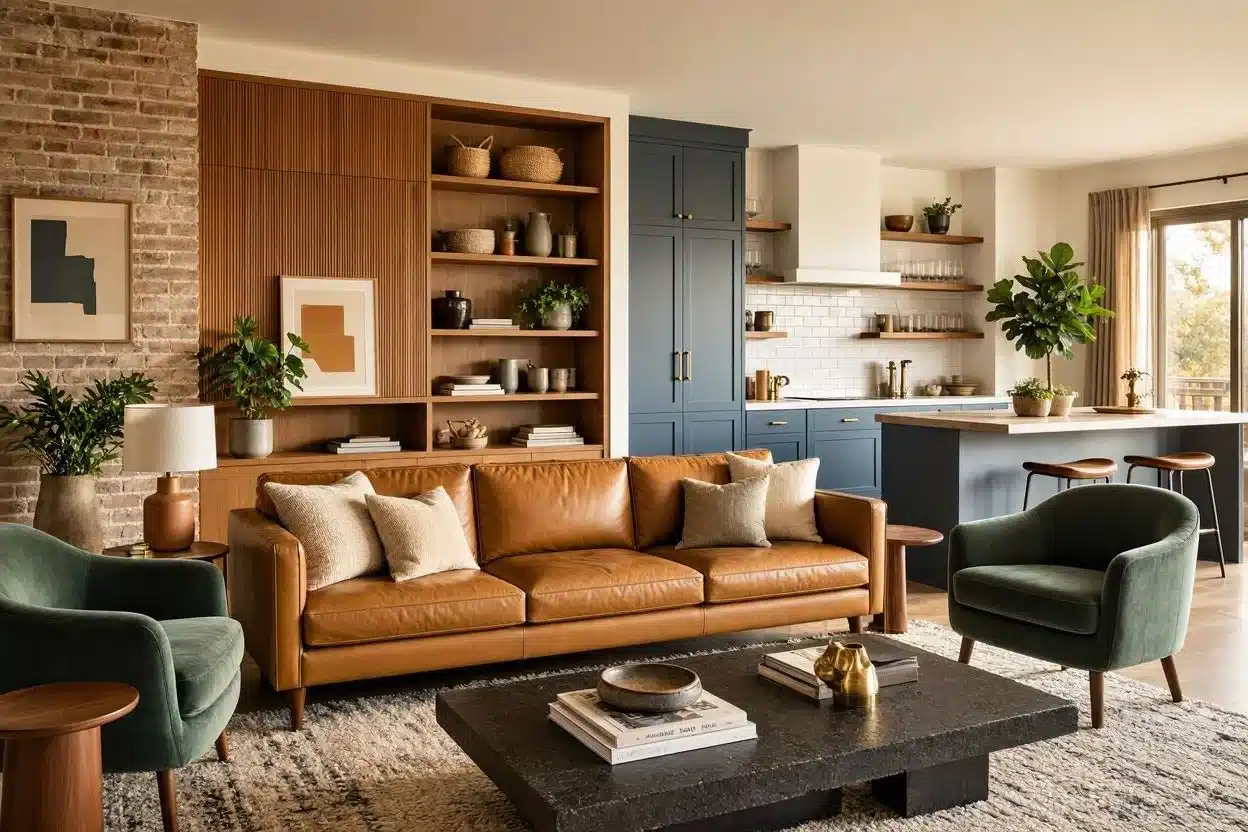
20 Home Design Ideas for a Cozy and Stylish Home
Sometimes, your home looks perfectly fine but still doesn’t feel like your space. Maybe the rooms feel plain, crowded, or missing that warm touch you see in beautiful interiors online. Finding the right home design ideas can help you create a space that feels comfortable without making major changes.
You don’t need a huge budget or a complete renovation to make a difference. In this guide, you’ll find practical ideas for colors, furniture, lighting, storage, décor, and room layouts that can help you create a comfortable home while keeping style and function in balance.
20 Home Design Ideas for a Cozy and Stylish Home
1. Choose a Warm and Welcoming Color Palette
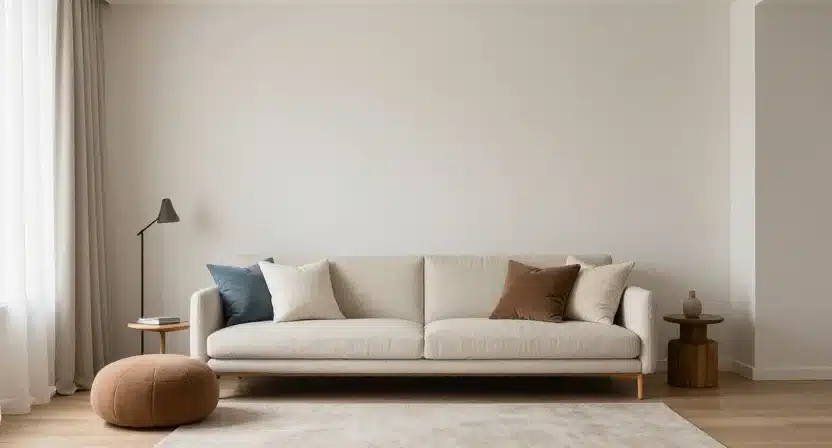
Start with colors that make you feel comfortable when you walk into a room. Soft beige, warm white, muted green, earthy brown, and gentle blue can create a calm atmosphere. You can then add deeper shades through cushions, artwork, curtains, or decorative accents.
If you prefer a modern home design, keep the main walls neutral and introduce color through smaller details. This approach also makes it easier to change your look later without repainting the entire room.
2. Create a Comfortable Living Room
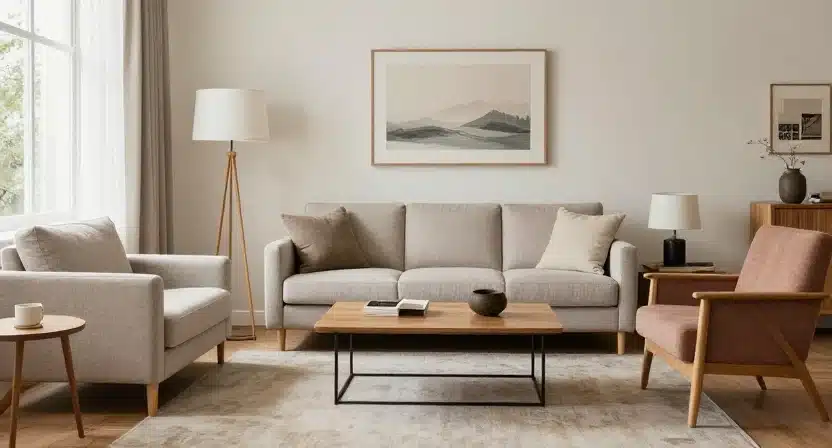
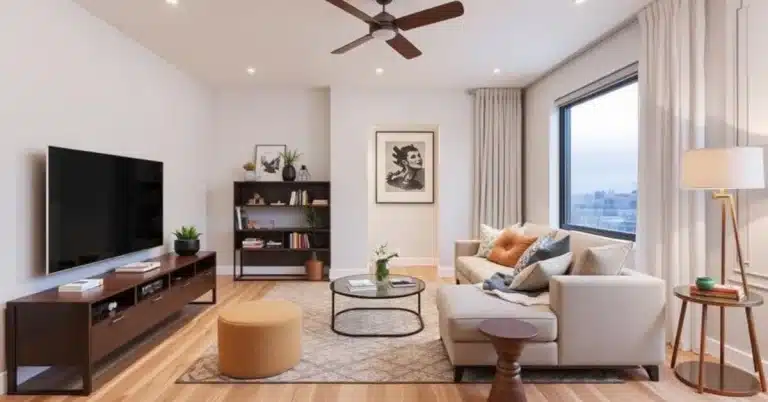
Your living room should feel inviting rather than carefully staged. Choose a sofa that offers enough seating and arrange chairs or tables so people can easily talk to one another.
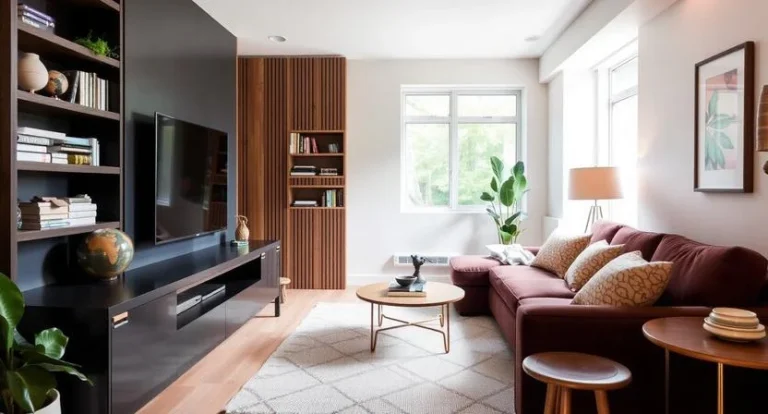
For small living room spaces, avoid filling every corner with furniture. A simple sofa, compact coffee table, floor lamp, and a few carefully selected accessories can create a balanced room without making it feel cramped.
3. Use Layered Lighting
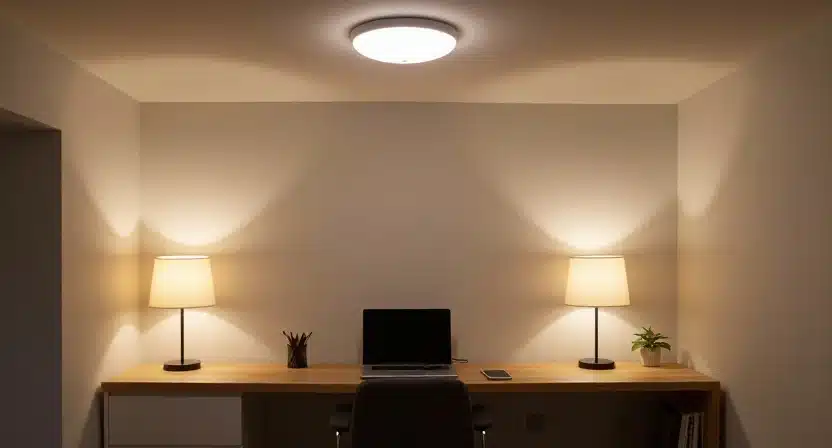
Good lighting can completely change how a room feels. Instead of relying on one ceiling fixture, combine overhead lighting with table lamps, floor lamps, wall lights, or accent lighting.
Warm bulbs can add a cozy feeling to bedrooms and living areas. In workspaces and kitchens, brighter task lighting can make everyday activities easier while still supporting your overall interior design.
4. Add Indoor Plants
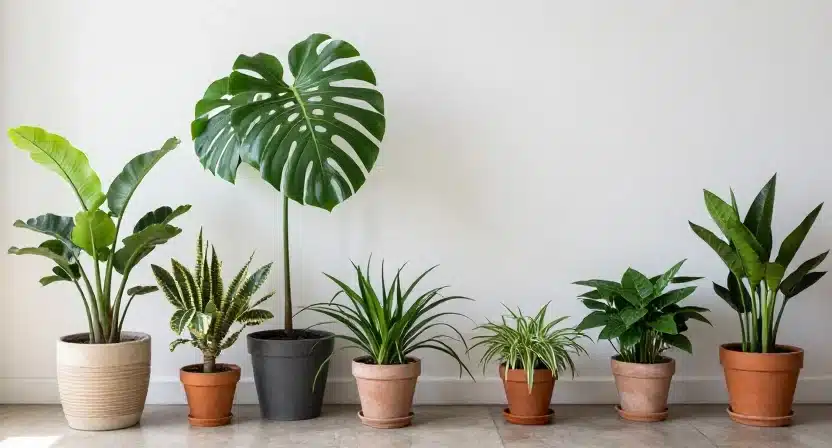
Indoor plants bring natural color and texture into your home. A large plant can fill an empty corner while smaller plants work well on shelves, tables, and window ledges.
Choose plants according to the amount of natural light available. If you don’t have much time for plant care, low-maintenance varieties can provide the same visual benefit with less effort.
5. Refresh Your Walls
Empty walls can make a room feel unfinished. You can use framed artwork, family photographs, mirrors, shelves, or simple wall décor to give the space more personality.
A gallery wall works particularly well when you combine different frame sizes while keeping a common color or theme. This creates visual interest without making the wall look random.
6. Choose Furniture That Fits Your Space
Furniture should match the size and layout of your room. Oversized pieces can make a small area difficult to move around, while furniture that’s too small may make a large room feel disconnected.
Before buying anything, measure the available space and think about how people will move through it. Good furniture arrangement should support everyday activities rather than simply fill empty areas.
7. Add Texture With Rugs and Curtains
Rooms can sometimes feel cold when they contain mostly hard surfaces. Rugs, curtains, cushions, blankets, and upholstered furniture introduce texture and make the space feel softer.
You don’t have to match every fabric exactly. Instead, coordinate colors and textures so the different elements complement one another while maintaining a relaxed appearance.
8. Create a Functional Entryway
The entryway sets the tone for the rest of your home. Even a small entrance can become useful with a narrow console, wall hooks, mirror, basket, or small bench.
Good entryway design also reduces clutter. Give keys, shoes, bags, and coats a designated place so they don’t spread into other rooms.
9. Make Your Bedroom More Relaxing
Your bedroom should feel peaceful at the end of a busy day. Soft bedding, warm lighting, calm paint colors, and minimal clutter can help create a relaxing environment.
Choose bedside tables and storage that provide enough function without overcrowding the room. A simple bedroom design often feels more restful than one packed with decorative items.
10. Keep a Small Living Room Clutter-Free
Small rooms need careful planning. Use furniture with hidden storage, floating shelves, nesting tables, or ottomans that can serve more than one purpose.
Mirrors can also help reflect light and create the impression of additional space. The goal isn’t to remove everything but to make sure each item has a useful purpose.
11. Improve Your Kitchen Layout
A practical kitchen layout makes cooking and cleaning much easier. Keep frequently used items close to your main work areas and avoid blocking important walking paths.
If you can’t remodel the kitchen, consider smaller changes such as new cabinet handles, better lighting, open shelves, or organized storage containers. These easy updates can improve both appearance and functionality.
12. Add Personality With Artwork
Artwork can make a home feel personal instead of looking like a showroom. Choose pieces that connect with your interests, travels, memories, or favorite colors.
You can create a focal point with one large artwork or arrange several smaller pieces together. Artwork and accessories don’t need to be expensive to make a room feel finished.
13. Create a Cozy Dining Area
A dining area should be comfortable enough for both quick meals and longer conversations. Choose a table that fits the room while leaving enough space for people to move around the chairs.
A pendant light above the table can create a natural focal point. Add simple centerpieces, table linens, or plants for a welcoming touch without overcrowding the surface.
14. Design a Practical Home Office
A home office needs to look good but should also support concentration. Start with a comfortable chair, a suitable desk, good lighting, and enough storage for everyday supplies.
Keep cables and unnecessary objects organized. If your workspace is part of another room, use shelves, a rug, or a different wall color to visually separate the office from the rest of the space.
15. Use Smart Storage Solutions
Storage is one of the easiest ways to improve a home’s appearance. Clutter can make even a beautifully decorated room feel uncomfortable.
Use baskets, storage benches, built-in shelves, under-bed containers, and multifunctional furniture where possible. These space-saving ideas help you maximize small spaces while keeping everyday items accessible.
16. Try an Accent Wall
An accent wall can add character without requiring a complete room makeover. You can use a bold paint color, textured wallpaper, wood panels, or another finish that complements the rest of the room.
Keep the other walls relatively simple so the accent doesn’t compete with furniture and accessories. The right accent wall can also create a strong focal point.
17. Mix Modern and Traditional Elements
You don’t have to follow one design style throughout your entire home. Combining clean modern furniture with traditional home décor can create a layered and timeless style.
For example, pair a contemporary sofa with a vintage cabinet or traditional artwork. The key is to repeat a few colors, materials, or shapes so the different elements feel connected.
18. Make Small Spaces Feel Bigger
A small room can feel much more open with the right choices. Light paint colors, mirrors, furniture with exposed legs, and clear walking paths can make the space feel less crowded.
Use vertical storage to take advantage of wall space. When you maximize small spaces, you gain storage and functionality without sacrificing valuable floor area.
19. Create an Outdoor Living Space
Your design doesn’t have to stop at the front door. A patio, balcony, porch, or backyard can become an extension of your living area with comfortable seating and suitable lighting.
Add outdoor rugs, planters, cushions, or a small table depending on the available space. Even a compact outdoor living space can become a useful place to relax or entertain.
20. Personalize Your Home With Decorative Accents
The finishing touches often make the biggest difference. Decorative accents such as books, ceramics, candles, photographs, cushions, and travel souvenirs can show your personality.
Avoid adding items simply because they’re trendy. The best home styling reflects how you actually live and helps your rooms feel personal, comfortable, and authentic.
How to Choose the Right Design Style
Your design style should fit your lifestyle as much as your taste. A minimalist design may work well if you prefer clean surfaces and less clutter, while farmhouse style or rustic interior design can create a warmer, more relaxed atmosphere.
Other options include Scandinavian design, boho décor, traditional home décor, contemporary home styles, and luxury home design. You don’t need to choose one style perfectly; combining elements can create an elegant home with a more personal feel.
Match Style With Function
Think about how you use each room before choosing furniture or decorations. A family living room may need durable fabrics and plenty of seating, while a bedroom may benefit from softer textures and calmer colors. Good residential design should balance style and function.
How to Make a Home Feel Cozy
Cozy homes aren’t necessarily filled with expensive furniture or decorations. Soft rugs, comfortable seating, warm lighting, natural materials, and personal objects can add warmth to a room without making it feel crowded.
Pay attention to the senses as well as appearance. Comfortable fabrics, pleasant lighting, natural textures, and a thoughtful layout can make your home feel more inviting the moment you enter.
Add Warmth Without Making the Room Cluttered
Choose a few meaningful pieces instead of decorating every available surface. One textured rug, a few cushions, indoor plants, and carefully placed artwork can have more impact than dozens of unrelated accessories.
Affordable Ways to Refresh Your Home
You don’t need a major renovation to improve your space. Rearranging furniture, changing paint colors, updating lighting, adding plants, and replacing a few accessories can provide noticeable results at a reasonable cost.
For a stylish home on a budget, focus on changes that affect how you use the room. DIY home décor can also help you personalize your space while keeping spending under control.
Focus on Small Changes First
Start with one room or even one corner. Try moving the furniture, removing unnecessary items, adding better lighting, or introducing a new texture before buying anything expensive. These simple home improvement steps can reveal what your space actually needs.
Common Home Design Mistakes to Avoid
One common mistake is buying furniture before considering the room’s size and layout. Another is using too many colors, patterns, or decorative pieces without a clear connection between them.
Poor lighting and limited storage can also affect the way a room looks and functions. Before making changes, think about what isn’t working and choose solutions that improve both appearance and everyday comfort.
Don’t Sacrifice Function for Style
A beautiful room isn’t very useful if it’s difficult to move around or uncomfortable to use. When you choose the right furniture, leave enough walking space and consider how each piece supports your daily routine.
The goal is to create a cohesive look while keeping the room practical. When style and function work together, your home becomes easier to enjoy.
FAQs
1. What are some simple home design ideas?
Start with small changes such as rearranging furniture, improving lighting, adding plants, using new textiles, or refreshing your wall décor.
2. How can I make my home look cozy?
Use warm lighting, soft textures, comfortable furniture, natural materials, and personal decorations to add warmth and character.
3. How can I decorate my home on a budget?
Focus on affordable updates such as paint, furniture rearrangement, DIY décor, plants, secondhand pieces, and inexpensive decorative accents.
4. How can I make a small room look bigger?
Use light colors, mirrors, multifunctional furniture, vertical storage, and clear walking paths to create a more open feeling.
5. How do I choose the right home design style?
Consider your lifestyle, favorite colors, existing furniture, maintenance needs, and the atmosphere you want each room to create.
Conclusion
Good home design ideas don’t have to involve expensive renovations or a complete change of style. Small improvements to furniture, lighting, colors, storage, textures, and décor can make your space feel more comfortable and personal.
Start with the room that needs the most attention and make one change at a time. When you focus on your lifestyle and personalize your space, you can create a home that looks stylish while still feeling like a place where you truly belong.

As an admin, with a passion for transforming spaces and a sharp eye for design trends, I created Interior Design Style Quiz to help homeowners make confident, informed decisions about their homes from the curb all the way inside.
2 Comments