Home Decor Furniture: Complete Buying Guide for Every Room
2. Meta Description
Discover how to choose home decor furniture for every room. Explore styles, materials, costs, and expert tips to furnish your space with confidence.
3. AI Overview Summary
Home decor furniture refers to functional pieces — sofas, beds, dining tables, dressers, and accent chairs — selected to reflect a home’s aesthetic style while serving everyday needs. The right furniture balances proportion, material quality, style cohesion, and budget. In 2025, top trends include natural wood finishes, curved silhouettes, multi-functional pieces, and earth-toned upholstery. Costs vary widely: a bedroom set runs $500–$5,000+ depending on materials and brand. Choosing furniture by room type, lifestyle, and design style produces the most cohesive, long-lasting results.
4. Key Takeaways
- Home decor furniture combines function and aesthetics — both matter equally
- Natural wood, bouclé upholstery, and curved forms are the leading 2025 design trends
- Multi-functional furniture (storage beds, extendable dining tables) maximizes space
- Solid wood and hardwood frames outlast particleboard by decades
- Budget $500–$2,500 for a quality living room set; $800–$3,500 for a bedroom set
- Always measure your room before purchasing — scale is the most common furniture mistake
- Mixing two to three styles (e.g., mid-century modern + Scandinavian) creates layered, personalized interiors
5. Main Article
What Is Home Decor Furniture?
Home decor furniture includes all functional furnishings that define the look, feel, and usability of a living space. This covers sofas, sectionals, dining tables, bedroom sets, accent chairs, entertainment centers, and storage pieces. Unlike purely decorative accessories, furniture anchors each room’s design while serving daily practical needs.
The distinction matters when shopping: a piece must earn its floor space through both form and function.
How to Choose Home Decor Furniture by Room
Living Room Furniture
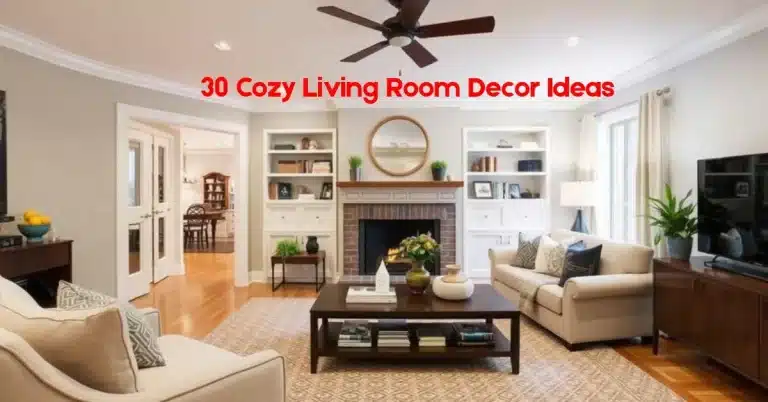
The living room is the highest-priority space in most homes. A sofa or sectional is typically the anchor piece, and the rest of the room builds around it.
Key pieces: sofa or sectional, coffee table, end tables, accent chairs, and a media console or entertainment center.
Proportional sizing rule: In a standard living room (12×15 ft), a sofa should not exceed 85 inches in length. Leave at least 18 inches between the sofa and coffee table for comfortable movement.
Popular 2025 styles for living rooms include curved sectionals in bouclé or velvet, mid-century modern sofas with tapered legs, and Japandi-inspired minimalist seating in natural linen.
Bedroom Furniture
A bedroom set typically includes a bed frame, dresser, nightstands, and optionally a vanity or wardrobe. Cohesion matters more here than in any other room.
In 2025, beds with hidden storage, extendable dining tables, and sideboards that double as workstations reflect the push toward furniture that does more without compromising design. en us
Choose a bed frame based on mattress size, ceiling height, and storage needs. Platform beds suit low-profile, modern aesthetics. Panel beds work for traditional and transitional styles. Storage beds are especially valuable in smaller bedrooms and studio apartments.
Dining Room Furniture
A dining set includes a table and chairs, and sometimes a buffet, server, or bar cart. The table shape drives the entire room’s layout.
| Table Shape | Best Room Size | Seats |
|---|---|---|
| Round | Small to medium | 2–6 |
| Rectangular | Medium to large | 4–10 |
| Counter height | Open-concept or casual | 2–6 |
| Extendable | Any size, flexible use | 4–10 |
Counter-height tables are gaining traction in open-concept homes where the dining area flows into a kitchen or family room.
Home Office Furniture
Remote and hybrid work has made the home office a permanent fixture in U.S. homes. Core pieces include a desk, ergonomic chair, and bookcase or filing cabinet.
A writing desk works for minimal setups. An L-shaped desk supports dual-monitor configurations. Pair any desk with a task chair that offers lumbar support — the chair matters more than the desk for daily comfort.
Home Decor Furniture Styles: A Comparison
What Are the Main Furniture Design Styles?
The six most common furniture styles in U.S. homes each carry distinct visual and material signatures.
| Style | Key Features | Best For |
|---|---|---|
| Mid-Century Modern | Tapered legs, organic curves, walnut tones | Apartments, open-concept homes |
| Scandinavian | Light wood, minimal ornamentation, functionality | Small spaces, neutral palettes |
| Farmhouse | Reclaimed wood, shiplap details, linen fabrics | Suburban homes, casual aesthetics |
| Traditional | Dark woods, carved details, symmetrical layouts | Formal living and dining rooms |
| Japandi | Wabi-sabi simplicity, natural textures, warm neutrals | Minimalist, wellness-focused spaces |
| Industrial | Metal frames, raw wood, exposed hardware | Urban lofts, modern interiors |
In 2025, the Brutalism trend from last year, with its bold structures and raw materials, is giving way to the warm and inviting Japandi style. Who What Wear
Mixing two complementary styles — such as mid-century modern with Scandinavian — produces layered interiors that feel curated rather than catalog-sourced.
What Materials Are Best for Home Decor Furniture?
Solid Wood vs. Engineered Wood
Solid wood (oak, walnut, maple, pine) is the most durable and longest-lasting furniture material. It can be refinished and typically lasts 20–50 years with proper care. Engineered wood — MDF and particleboard — costs significantly less but is prone to moisture damage and shorter lifespan.
Consumers are moving away from fast furniture and investing in sustainable furniture made from ethically sourced materials such as solid wood like white oak and walnut — materials that are both durable and environmentally responsible, designed to last generations, not seasons. en us
Rule of thumb: For dining tables, bed frames, and bookcases, prioritize solid wood or hardwood veneer over particleboard. For drawer boxes and secondary surfaces, engineered wood is acceptable.
Upholstery Options
| Fabric | Durability | Best Use | Notes |
|---|---|---|---|
| Linen | Medium | Accent chairs, sofas | Wrinkles easily, breathable |
| Velvet | Medium-High | Sofas, headboards | Luxurious; suits low-traffic rooms |
| Bouclé | Medium | Accent chairs | Textural; very popular in 2025 |
| Leather | High | Sofas, recliners | Easy to clean; ages beautifully |
| Performance fabric | Very High | Family rooms, pets | Stain and moisture resistant |
When choosing upholstery, natural textiles and fibers like organic cotton, wool, and Belgian linen deliver a more authentic and sustainable aesthetic. Urban Natural
For households with children or pets, performance fabric (such as Crypton or Sunbrella) is the most practical upholstery choice.
2025 Home Decor Furniture Trends
What Furniture Trends Are Popular in 2025?
Curved furniture continues to redefine living room aesthetics in 2025 with its inviting shapes and gentle lines, moving away from the rigid, angular designs of the past and introducing a fluid, organic feel to interiors. Decorilla
The five defining furniture trends of 2025:
- Curved and rounded silhouettes — rounded sofas, arched bed frames, smooth table edges
- Natural wood finishes — visible grain, matte surfaces, walnut and white oak dominance
- Earth-toned upholstery — terracotta, sage green, soft caramel, warm beige
- Multi-functional pieces — storage beds, extendable dining tables, sofa beds
- Sustainable sourcing — reclaimed wood, FSC-certified timber, organic textiles
Deep, moody color palettes are also gaining traction — think forest greens, inky blues, rich chocolates, and burgundy accents introduced through furniture upholstery and accent rugs. BY Design & Viz
How Much Does Home Decor Furniture Cost?
What Is a Realistic Furniture Budget?
Furniture costs vary significantly by material, brand, and room. These are realistic 2025 U.S. price ranges:
| Room | Budget Tier | Mid-Range | High-End |
|---|---|---|---|
| Living Room Set | $400–$900 | $1,000–$2,500 | $3,000–$8,000+ |
| Bedroom Set | $500–$1,000 | $1,500–$3,500 | $4,000–$10,000+ |
| Dining Room Set | $300–$700 | $800–$2,000 | $2,500–$7,000+ |
| Home Office | $200–$500 | $600–$1,500 | $2,000–$5,000+ |
Budget furniture typically uses engineered wood and imported mass-production frames. Mid-range furniture often combines solid wood frames with quality upholstery. High-end pieces feature hand-joined construction, premium materials, and artisan finishing.
Financing options are widely available through furniture retailers, often with 0% APR promotional periods of 12–24 months. See our guide on furnishing on a budget for room-by-room cost-saving strategies.
Common Mistakes When Buying Home Decor Furniture
Avoiding these five mistakes saves both money and frustration:
1. Ignoring scale — Oversized sofas in small rooms are the most common interior design error. Always measure doorways, room dimensions, and ceiling height before ordering.
2. Buying pieces individually without a cohesive plan — Furniture bought piece by piece over time often lacks visual coherence. Start with a style anchor and build from there.
3. Prioritizing appearance over construction — A beautiful sofa with a low-quality frame and thin cushioning will lose its appeal within 18–24 months. Test seat depth, cushion density, and frame sturdiness before purchasing.
4. Overlooking traffic flow — At minimum, maintain 36 inches of clear walkway in primary paths and 18 inches between major seating pieces.
5. Skipping fabric performance ratings — Upholstery is rated by double rubs (abrasion cycles). General household use requires 15,000+ double rubs; heavy use or pets require 30,000+.
How to Style Home Decor Furniture for a Cohesive Look
What Is the Rule of Three in Furniture Styling?
The rule of three in interior design recommends grouping decor objects in odd numbers — typically sets of three — varying in height to create visual interest. Applied to furniture arrangement, it means anchoring each seating area with a primary piece, a secondary piece, and an accent piece.
Practical application: sofa (anchor) + two accent chairs (secondary) + one ottoman (accent). This creates a balanced, layered seating arrangement without visual chaos.
Explore our interior design style quiz to identify which furniture style best matches your personal aesthetic before you start shopping.
For small living room furniture ideas, opt for leggy furniture — pieces raised on legs visually open the floor and make compact spaces feel larger.
6. Conclusion
Home decor furniture shapes how a space feels and functions daily. The strongest purchasing decisions combine an understanding of design style, material quality, room scale, and realistic budget. In 2025, the market rewards buyers who prioritize durability and multi-functionality over trend-chasing. Define your style anchor, measure your space, set a material standard, and build each room around pieces that earn their place. The result is a home that holds its visual logic and physical quality for years.
7. FAQ Section
Q: What is the most important piece of furniture in a home?
The sofa is typically the highest-impact piece since it anchors the living room and influences the aesthetic of the entire home.
Q: What furniture style is most popular in the U.S. in 2025?
Mid-century modern and Japandi are the two most searched and purchased styles in 2025 across U.S. furniture retailers.
Q: How long should quality home furniture last?
Solid wood furniture lasts 20–50 years; quality upholstered pieces with hardwood frames typically last 10–15 years with normal use.
Q: Is it better to buy a furniture set or individual pieces?
Sets offer visual cohesion and often cost less than buying matching pieces individually, but mixing selected individual pieces creates a more personalized, non-catalog look.
Q: What fabric is best for a sofa if you have pets or kids?
Performance fabrics rated at 30,000+ double rubs — such as Crypton, Sunbrella, or tightly woven microfiber — are the most practical choices for high-use households.

As an admin, with a passion for transforming spaces and a sharp eye for design trends, I created Interior Design Style Quiz to help homeowners make confident, informed decisions about their homes from the curb all the way inside.