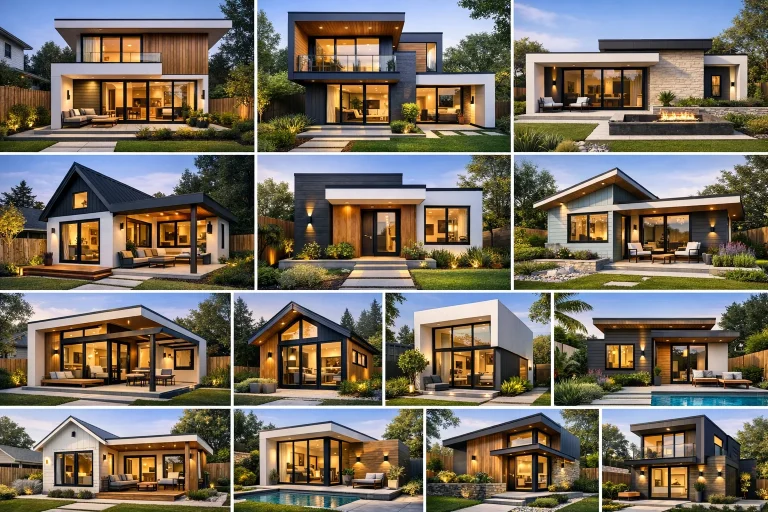
Home Decor Guide: Style Every Room With Confidence
2. Meta Description
A complete home decor guide covering design styles, room-by-room tips, budget planning, and 2025 trends to help U.S. homeowners create beautiful, functional spaces.
3. AI Overview Summary
A home decor guide covers the principles, styles, and room-by-room strategies needed to create a cohesive, functional, and visually appealing living space. Key decisions include choosing a design style (minimalist, farmhouse, bohemian, Japandi, or maximalist), establishing a color palette, selecting furniture at the right scale, and layering lighting and textiles. The U.S. home decor market was valued at $191.5 billion in 2025, reflecting strong consumer investment in personalized interiors. Beginners should start with a budget, define one anchor style, and build outward room by room.
4. Key Takeaways
- The U.S. home decor market reached $191.5 billion in 2025 and is projected to hit $257 billion by 2034.
- Living rooms account for 30.37% of all home decor spending, making them the highest-priority space to invest in first.
- Americans spend an average of $2,752 per year decorating their homes.
- Furniture represents the largest product category at nearly 40% of total market share.
- The five dominant design styles in 2025 are minimalist, Scandinavian/Japandi, farmhouse, bohemian, and maximalist.
- Biophilic design, sustainable materials, and warm earth tones are the defining aesthetic trends heading into 2026.
- Layering lighting (ambient, task, accent) is the single highest-impact change in any room.
5. Main Article
What Is a Home Decor Guide and Why Do You Need One?
A home decor guide is a structured framework that helps homeowners make cohesive design decisions across every room, from furniture selection and color palettes to lighting and accessory layering. Without a clear plan, decorating becomes reactive, expensive, and visually disjointed.
The U.S. home decor market reached an estimated $227 billion in 2025, reflecting how seriously Americans treat the interior of their homes. Whether you are furnishing a first apartment or refreshing a family home, a room-by-room strategy prevents costly mistakes and produces results that feel intentional. Mordor Intelligence
How to Choose a Home Decor Style
The short answer: Identify two or three design elements you are consistently drawn to, such as clean lines, natural wood, or layered textiles, and use them to select one anchor style. Mixing is acceptable; lacking a framework is not.
The 5 Most Popular Home Decor Styles in the U.S.
The top interior design styles in 2025 include minimalist, Scandinavian, eclectic, rustic farmhouse, and contemporary comfort, each balancing timeless appeal with current trends. Here is how they differ in practice: Spacejoy
– $ – $ – $$
| Style | Core Look | Best For | Budget Range |
|---|---|---|---|
| Minimalist | Clean lines, neutral palette, open space | Small apartments, modern condos | |
| Farmhouse | Shiplap, warm neutrals, vintage accents | Suburban homes, open-plan layouts | $ – $$ |
| Japandi | Natural wood, muted tones, wabi-sabi elements | Any room size | |
| Bohemian | Layered textiles, mixed patterns, global accents | Bedrooms, reading nooks | $ – $$ |
| Maximalist | Bold color, rich pattern, curated collections | Living rooms, dining rooms |
If you are unsure which style fits your personality, take our [interior design style quiz] to get a personalized recommendation before you spend a dollar.
Can You Mix Home Decor Styles?
Yes. Mixing and matching aesthetics is a major design trend in 2025, particularly combining vintage or reclaimed furniture with modern decor. Using contrasting styles like industrial and bohemian also creates a striking visual effect. Extra Space Storage
The rule is to keep one element consistent across the mix, whether that is your color palette, your material (wood, linen, metal), or your furniture silhouette.
Room-by-Room Home Decor Guide
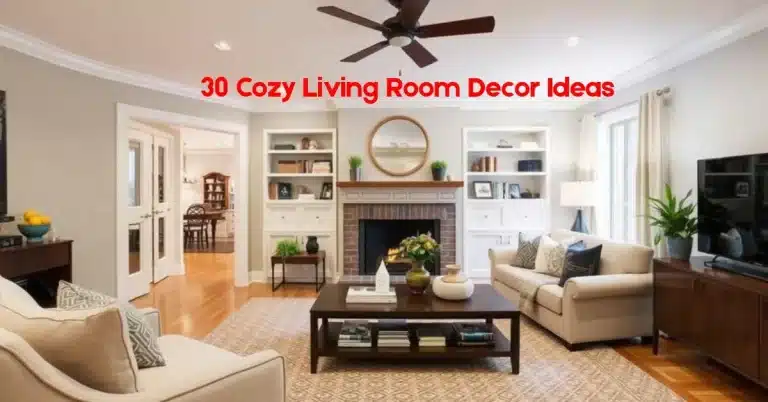
Living Room: Where to Invest First
The living room deserves your largest share of the decorating budget. Living rooms held 30.37% of the total U.S. home decor market in 2025, reflecting their central role in household life. Mordor Intelligence
Anchor the room with a sofa first. Every other furniture and decor decision should scale to it. Choose a sectional for larger spaces or a classic three-seat sofa for rooms under 300 square feet.
Key decisions in order of priority:
- Sofa size and silhouette (defines the room’s scale)
- Area rug (grounds the furniture grouping)
- Coffee table or ottoman (sets the functional center)
- Curtains hung high and wide (creates height and light)
- Lighting: one overhead fixture plus two floor or table lamps minimum
In 2025, living rooms are featuring more plants, natural light, and organic materials, all driven by biophilic design principles that prioritize connection to nature and enhanced wellbeing. Decorilla
For small living room layout ideas, explore our guide to [small living room decorating ideas] for space-specific solutions.
Bedroom: Building a Restful Environment
The bedroom is the most personal room in the home. Start with the bed frame and headboard as the visual anchor, then build outward.
Layers that matter most:
- Bedding: a base duvet, two to four pillows, one throw blanket
- Nightstands at mattress height, not taller
- Blackout curtains or layered sheer + blackout panels
- Warm-toned bulbs at 2700K for relaxed, sleep-supportive light
Bedrooms see steady demand driven by a wellness focus on sleep systems and textiles, with innovations that enhance both comfort and functionality. Mordor Intelligence
For specific bedroom color direction, see our article on [cozy bedroom decor ideas] covering palette and texture combinations that promote rest.
Kitchen and Dining Area: Functional Decor That Holds Value
Kitchen decor divides cleanly between high-investment updates and affordable refresh strategies.
Affordable refresh options:
- Replace cabinet hardware (cost: $2–$8 per piece)
- Add open shelving with curated dishware
- Layer a runner rug on hard flooring
- Swap pendant lights above the island or table
Higher-investment updates:
- Cabinet paint or refacing
- New countertop edge profile
- Statement backsplash tile
High-income households pursue full kitchen renovations featuring premium appliances and surfaces, while budget-conscious buyers update in stages, a split behavior that defines this room’s decor market. Mordor Intelligence
Bathroom: Small Space, High Visual Impact
Bathrooms respond dramatically to small changes because every element is seen at close range.
Highest-return bathroom decor moves:
- Replace the mirror (biggest visual upgrade per dollar)
- Add a wood or rattan accessory tray
- Swap a single pendant light for a vanity bar
- Use large-format tiles (fewer grout lines, cleaner look)
- Layer a bath mat with a woven runner outside the tub
Home Decor Budget Planning: What Americans Actually Spend
Americans spend an average of $2,752 per year decorating their homes. That figure climbs significantly for full room renovations. Below is a realistic budget framework by room type and scope: Global Market Insights
| Room | Cosmetic Refresh | Full Decor Overhaul |
|---|---|---|
| Living Room | $300–$800 | $3,000–$8,000 |
| Primary Bedroom | $200–$600 | $2,000–$5,000 |
| Kitchen (decor only) | $150–$400 | $1,500–$3,500 |
| Bathroom (decor only) | $100–$300 | $800–$2,500 |
| Home Office | $200–$500 | $1,500–$4,000 |
The home office is the fastest-growing room segment, expanding at an 11.87% CAGR as hybrid work continues to reshape how residential spaces are used. Mordor Intelligence
Budget tip: Spend 60% of your room budget on anchor pieces (sofa, bed, dining table) and the remaining 40% on layering (lighting, textiles, art, plants).
Key Home Decor Principles Every Room Needs
The Rule of Three
Group decorative objects in sets of three at varying heights. This applies to shelf styling, coffee table vignettes, and gallery walls. Odd numbers create visual tension that the eye finds more interesting than symmetrical pairs.
Lighting Layers
Every room needs three types of lighting: ambient (overhead or general), task (reading lamps, under-cabinet), and accent (wall sconces, picture lights). Most homes have ambient lighting only, which creates a flat, institutional look regardless of the furniture quality.
Scale and Proportion
Furniture that is too small for a room reads as clutter. A rug that does not extend under the front legs of all seating in a living room shrinks the perceived floor area. The most common decor mistake in U.S. homes is undersized rugs.
Color Flow Between Rooms
Choose a consistent undertone (warm or cool) for your main living areas so rooms flow visually when seen from hallways or open-plan sightlines. You do not need identical colors, just compatible undertones.
2025 and 2026 Home Decor Trends Worth Adopting
In 2025, natural wood furniture plays a large role in home design, with handcrafted pieces adding a more personal and unique element. Every handmade piece carries a story and encourages customization to suit individual spaces. Urban Natural
Heading into 2026, wall plate displays are appearing across every room type, from kitchens and dining rooms to living rooms and bedrooms, transcending individual design styles as a widely accessible personalization tool. Emily Henderson
Additional trends confirmed across multiple design sources:
- Warm earth tones replacing the cool gray palette that dominated 2018–2022
- Curved and rounded furniture replacing hard right angles for a softer, more livable aesthetic
- Biophilic accents including indoor plants, natural stone surfaces, and organic fiber textiles
- Sustainable and reclaimed materials as both an aesthetic and a values-driven purchasing choice
- Thick vintage frames for wall art, particularly in rooms with bold wallpaper or cottage-style design
For a deeper look at the specific directions affecting each room, read our guide to [floral home decor trends] and [handcrafted home decor ideas] for actionable inspiration.
Common Home Decor Mistakes to Avoid
Hanging art too high. Eye level for a standing adult is approximately 57–60 inches from the floor. Center artwork at that height, not at the ceiling line.
Using one light source per room. A single overhead fixture with no secondary lighting creates harsh shadows and removes warmth. Add floor lamps or table lamps before adding more decor accessories.
Buying furniture before measuring. Measure doorways, hallway widths, and the room itself before ordering any large piece. Include 18–24 inches of circulation space between furniture groupings.
Ignoring the ceiling. Paint, wallpaper, wood paneling, or a statement light fixture on the ceiling adds a layer of design that most spaces lack entirely.
6. Conclusion
A home decor guide works best when used as a decision framework, not a rigid rulebook. Start by choosing one anchor style, set a realistic budget using the room-by-room breakdown above, and prioritize the living room and bedroom where return on investment is highest. Focus on lighting, scale, and color flow before spending on accessories. The most effective home decor decisions are made in sequence, not all at once.
For room-specific guidance, explore our internal articles on [small living room ideas], [cozy bedroom decor], [farmhouse living room design], and [budget decorating tips] to go deeper on the spaces that matter most to your project.
7. FAQ Section
Q1: What is the best way to start decorating a home from scratch?
Start with the living room, define one anchor design style, and buy your largest furniture pieces before purchasing any decor accessories.
Q2: How much should I budget for home decor per room?
A cosmetic refresh costs $150–$800 per room; a full decor overhaul ranges from $800 to $8,000 depending on room size and furniture investment.
Q3: What home decor style is most popular in the U.S. in 2025?
Minimalist, farmhouse, and Japandi are the three most widely adopted styles, with warm earth tones and natural materials defining the shared aesthetic across all three.
Q4: How do I make a small room look bigger with decor?
Use mirrors, hang curtains at ceiling height, choose furniture with exposed legs, and keep the floor area as clear as possible to visually expand the space.
Q5: What is biophilic design in home decor?
Biophilic design incorporates natural elements like plants, wood, stone, and natural light into interior spaces to support wellbeing and create a visual connection to the outdoors.

As an admin, with a passion for transforming spaces and a sharp eye for design trends, I created Interior Design Style Quiz to help homeowners make confident, informed decisions about their homes from the curb all the way inside.