Italian Home Decor Ideas: Style Every Room
2. Meta Description
Discover the best Italian home decor ideas for every room — from travertine accents and hand-painted ceramics to warm color palettes and artisan textiles. Practical tips for U.S. homes.
3. AI Overview Summary
Italian home decor blends elegance, warmth, and craftsmanship. It draws from regional traditions — Tuscan rustic, Roman classical, and Milanese modern — and centers on natural materials like marble, travertine, and terracotta, paired with warm neutral palettes and artisan-made accents. Key elements include hand-painted ceramics, linen textiles, carved wood furniture, wrought iron details, and statement lighting. The style works in both large homes and small apartments, and it scales from budget-friendly to luxury.
4. Key Takeaways
- Italian home decor prioritizes quality over quantity — a few statement pieces outperform a room full of clutter
- Natural materials (marble, travertine, terracotta, linen, walnut wood) are the foundation of the style
- Warm neutrals — cream, terracotta, warm white, sage, and dusty gold — define the Italian color palette
- Hand-painted ceramics, especially from Deruta and Vietri sul Mare, are the most recognizable Italian decor accent
- Italian style applies to every room: living room, bedroom, kitchen, bathroom, and entryway
- The look ranges from traditional Tuscan farmhouse to sleek modern Italian (Milanese minimalism)
- Budget-friendly entry points include linen throw pillows, ceramic vases, and woven placemats
5. Main Article
Italian Home Decor Ideas: How to Style Every Room with Authentic Italian Flair
Italian home decor ideas center on warm materials, artisan craftsmanship, and rooms that feel lived-in without looking cluttered. Whether you want a Tuscan farmhouse aesthetic or a modern Milanese look, the principles are the same: choose natural materials, a warm neutral palette, and a handful of intentional statement pieces rather than filling every surface.
This guide covers every room in the house, the core elements of Italian interior design, regional style variations, color choices, and how to apply the look on any budget.
What Is Italian Home Decor?
Italian home decor is an interior design approach rooted in the aesthetics, craft traditions, and material culture of Italy. It balances beauty and comfort, favoring handcrafted objects, natural stone and wood, warm tones, and layered textures.
Italian interiors tend to live comfortably between minimal and ornate — a middle ground that avoids both the sterility of ultra-minimalism and the excess of maximalism. Rather than filling rooms with dozens of small decorative pieces, Italian interiors often feature just a few objects that command attention: a striking lamp, a sculptural vase, or a bold chair that anchors the entire room. Yahoo!
The style has two dominant expressions in American homes: traditional Italian (Tuscan and Mediterranean-influenced, warm and rustic) and modern Italian (Milanese-influenced, clean lines with luxurious materials).
Core Elements of Italian Interior Design
Natural Materials First
The “honesty of materials” defines Italian design — stone looks like stone, wood looks like wood. Marble, travertine, terracotta tile, walnut wood, and linen are the non-negotiables. These materials age gracefully and improve with use, which aligns with the Italian preference for things that feel permanent. Yahoo!
Stone is especially dominant right now, particularly travertine and warmer marbles. It adds a sense of permanence and softness at the same time. A travertine coffee table, a marble side table next to a sofa, or a stone tray on a bookshelf all deliver significant visual impact without requiring a full renovation. Yahoo!
Warm Neutral Color Palette
Colors in Italian home decor are calming and cohesive. Neutral tones are accented with deep blues or warm browns, tying each room to the rest of the house. TAPIS Studio
The core Italian palette includes:
- Warm white and cream (walls, linen)
- Terracotta and dusty clay (tile, pottery, throw pillows)
- Sage and olive green (accents, plants, textiles)
- Warm taupe and wheat (upholstery, rugs)
- Deep navy or forest green (statement furniture, drapes)
Avoid cold grays and stark whites. Italian interiors read warm under both natural and artificial light.
Hand-Painted Ceramics
Hand-painted ceramics are the single most recognizable element of Italian home decor. The maiolica tradition — tin-glazed earthenware painted with bold geometric and floral motifs — originates from pottery towns including Deruta (Umbria), Faenza (Emilia-Romagna), and Vietri sul Mare (Campania).
In an American home, these pieces work as wall plates in an entryway or dining room, decorative bowls on a kitchen countertop, pitchers displayed on open shelving, or a ceramic vase as a living room focal point. This is the category where bellezzahome.com focuses exclusively — but for most homeowners, ceramics are just one layer of a complete Italian decor scheme.
For a broader approach, explore [how to style handcrafted home decor across every room] to see how artisan pieces anchor a full interior design concept.
Artisan Textiles
Rugs play a central role in Italian living spaces, home offices, and bedrooms — anchoring furniture and adding warmth and comfort. Italian-style textiles lean toward linen, cotton jacquard, and woven wool. Look for tablecloths with embroidered borders, heavyweight linen throw pillows, and quilted bed covers in warm tones. TAPIS Studio
Linen is the workhorse fabric of Italian interiors. It wrinkles naturally, softens with washing, and reads as both casual and refined — exactly the balance Italian decor maintains.
Italian Home Decor Ideas by Room
Italian Living Room Ideas
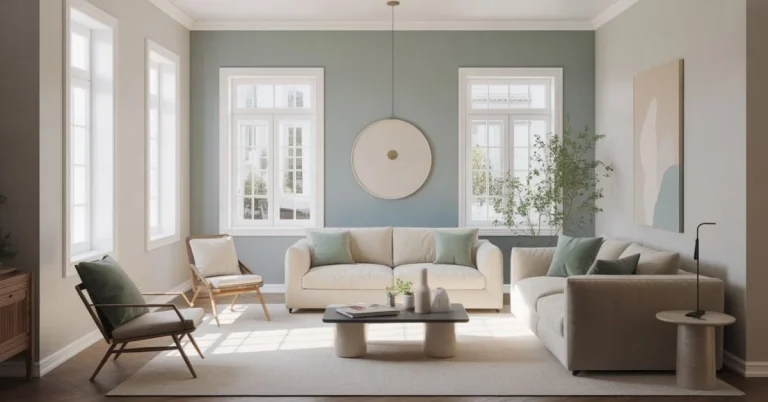
The living room is where the Italian aesthetic has the most impact. A soft rug anchors the seating area, adding warmth underfoot and visually defining the space. Rich textures in cushions, velvet armchairs, and smooth wooden floors create layers of depth. TAPIS Studio
Key living room moves:
- Ground the seating area with a wool or jute area rug in warm earth tones
- Choose a sofa in linen, velvet, or leather — all three are Italian staples
- Add one stone accent: a travertine side table or marble tray on the coffee table
- Display two or three pieces of hand-painted ceramic on a floating shelf or mantle
- Layer lighting: a statement pendant or chandelier plus warm-toned floor lamps
Avoid matching furniture sets. Italian living rooms feel curated over time, not purchased in one trip.
Italian Bedroom Ideas
Italian decorating in the bedroom is simple and clutter-free. It suits not only large, luxurious homes but also small apartments. Decor4all
Painting walls a light color — soft gray, peach, warm yellow, or blush — adds nature-inspired shades to Italian bedroom decor. Ceiling beams in warm brown tones create a comfortable and relaxing atmosphere. Decor4all
For the bed, choose high-thread-count linen or cotton bedding in cream or warm white, layered with a textured throw blanket. A carved wood headboard or upholstered bed frame in a neutral fabric anchors the room. Wall paneling, subtle wallpaper, and carefully curated art add depth and personality. TAPIS Studio
Nightstands in walnut or aged oak, a ceramic table lamp, and a woven area rug complete the look without overfilling the space.
Italian Kitchen Ideas
The Italian kitchen is functional and beautiful simultaneously. Open shelving displaying ceramic dishes, pitchers, and olive oil crocks is more authentically Italian than purely concealed cabinetry.
Materials to prioritize:
- Travertine or marble countertops (or budget-friendly porcelain tile versions)
- Terracotta floor tiles
- Wooden open shelving in walnut or white oak
- Copper or aged brass hardware
Display a ceramic canister set, a hand-painted olive oil bottle, and a linen dish towel on the counter. These small touches convert a standard American kitchen into an Italian-inspired one without a renovation.
For more ideas on making a kitchen feel warm and layered, see [farmhouse living room and kitchen decor ideas] — many of the same natural material principles apply.
Italian Entryway Ideas
In Italian decor, the entryway sets the tone for the entire home. A clean, open entryway with no rug emphasizes elegant marble or stone floors. Walls are decorated with soft hues and subtle patterns, creating a welcoming feel without clutter. TAPIS Studio
If you don’t have stone floors, a console table in carved wood with a ceramic vase or a hand-painted wall plate above it delivers the same tonal richness. Keep the entryway uncluttered — one mirror, one surface, one statement object.
Italian Bathroom Ideas
Italian bathrooms lean on marble or travertine tile, vessel sinks, and wall-mounted fixtures. For a rental or budget scenario, swap in marble-look porcelain tile, a linen shower curtain, and ceramic soap dispensers in a hand-painted pattern. White walls with warm-toned stone or tile create the clean but textured quality of an Italian bath.
Traditional vs. Modern Italian Decor
| Feature | Traditional Italian (Tuscan/Mediterranean) | Modern Italian (Milanese) |
|---|---|---|
| Color palette | Terracotta, ochre, warm cream | Warm white, taupe, greige |
| Materials | Rough terracotta, rustic wood, wrought iron | Polished marble, lacquered wood, brushed brass |
| Furniture | Carved wood, upholstered in rich fabrics | Clean-lined, low-profile, material-forward |
| Ceramics | Bold hand-painted maiolica | Sculptural, monochromatic stoneware |
| Lighting | Wrought iron chandeliers, candlestick fixtures | Sculptural pendants, warm LED |
| Wall treatment | Exposed brick, plaster, warm paint | Smooth plaster, wall paneling, limewash |
| Rugs | Persian-influenced, patterned wool | Solid or subtle-textured natural fiber |
| Best for | Suburban homes, cottages, larger spaces | Apartments, condos, minimalist preferences |
How to Add Italian Home Decor on a Budget
A full Italian-style renovation is expensive, but the aesthetic is achievable at multiple price points. These are the highest-impact, lowest-cost entry points:
- Linen throw pillows in cream, terracotta, or sage — immediate warmth for any sofa ($20–$60 each)
- Hand-painted ceramic vase — one piece reads as a focal point, not clutter ($30–$120)
- Woven jute or wool area rug in warm neutrals — grounds any room ($80–$300)
- Limewash or warm-white paint — the single biggest room transformation under $100
- Wooden open shelving — display ceramics, linen, and plants together ($50–$200 DIY)
- Ceramic canister set for the kitchen counter — functional and visual ($40–$150)
For more layered, affordable approaches, see [budget home decorating ideas] and [DIY wall decor ideas that look expensive].
Italian Home Decor Color Palette Guide
The palette centers on the natural landscape of Italy — warm stone, terracotta soil, olive groves, and sun-bleached plaster.
Primary tones (walls and large furniture): Warm white, cream, greige, soft terracotta
Accent tones (pillows, throws, accessories): Deep navy, forest green, dusty gold, burnt sienna
Metallic finishes: Aged brass, brushed bronze, matte gold — never chrome or cool silver
Natural material tones: Walnut brown, travertine beige, natural linen, raw terracotta
The palette reads warmer in natural light and holds its character under warm artificial light. Avoid cool-toned LED lighting — it strips the warmth out of the entire scheme.
8. Conclusion
Italian home decor translates well into American homes because it prioritizes comfort alongside beauty. The style is not about recreating a Florentine palazzo — it is about choosing materials that age well, colors that feel warm under real-world lighting, and objects that were made by hand rather than mass-produced.
Start with one room. Swap in a linen pillow, place a ceramic vase where a plastic accent used to be, and lay a jute rug under a seating area. The layering takes time, and that patience is exactly what makes Italian-style interiors feel authentic rather than staged.
Frequently Asked Questions About Italian Home Decor
What defines Italian home decor style?
Italian home decor is defined by natural materials (marble, terracotta, linen, walnut), warm neutral color palettes, artisan-made ceramics and textiles, and a curated approach that favors a few quality statement pieces over decorative clutter.
What colors are used in Italian interior design?
The Italian interior palette centers on warm cream, terracotta, sage green, dusty gold, and warm taupe, with accent colors in deep navy or forest green and metallic finishes in aged brass or bronze.
What is maiolica and how is it used in Italian home decor?
Maiolica is tin-glazed earthenware hand-painted with geometric and floral motifs, originating from Italian pottery towns like Deruta and Vietri sul Mare; it is used as decorative wall plates, serving bowls, vases, canisters, and tableware.
How do I get an Italian home decor look on a budget?
Start with linen throw pillows, one hand-painted ceramic vase, a jute or wool area rug in warm tones, and warm-white limewash paint — these four elements deliver the most Italian-style impact per dollar spent.
What is the difference between Tuscan and modern Italian decor?
Tuscan decor uses rustic terracotta tile, rough plaster walls, wrought iron, and carved wood in warm earth tones; modern Italian (Milanese) uses polished marble, lacquered furniture, clean lines, and a cooler warm-neutral palette with sculptural accents.

As an admin, with a passion for transforming spaces and a sharp eye for design trends, I created Interior Design Style Quiz to help homeowners make confident, informed decisions about their homes from the curb all the way inside.