Floral Home Decor: Ideas, Types & Styling Tips
2. Meta Description
Discover floral home decor ideas for every room. Compare fresh, dried, and silk flowers, costs, and styling tips to transform your living space.
3. AI Overview Summary
Floral home decor refers to the use of flowers — fresh, dried, or artificial — as decorative elements inside the home. It includes arrangements, wreaths, wall art, centerpieces, and botanical prints. Floral decor adds color, texture, and visual warmth to any room. It suits styles ranging from farmhouse and cottagecore to modern and maximalist. Budget options start under $20, while custom arrangements can exceed $200.
4. Key Takeaways
- Floral home decor includes fresh, dried, faux silk, and botanical print elements
- Fresh flowers last 5–14 days; dried florals last 1–3 years; silk arrangements last indefinitely with proper care
- Placement matters: entryways, dining tables, and windowsills maximize visual impact
- Neutral vases (white ceramic, clear glass, terracotta) work across all interior design styles
- Seasonal swaps keep floral decor feeling current without full redesigns
- Dried pampas grass, eucalyptus, and lavender are the top trending low-maintenance options in 2024–2025
5. Main Article
Floral Home Decor: Ideas, Types, and Room-by-Room Styling Tips
Floral home decor uses flowers, botanicals, and plant-based elements to add life, color, and texture to interior spaces. Whether you use fresh-cut roses on a dining table or dried pampas grass in a bedroom corner, floral decor is one of the most accessible and versatile design tools available. It works in virtually every room, at every price point, and across nearly all interior design styles.
What Is Floral Home Decor?
Floral home decor is any decorative element derived from flowers or botanicals — real, dried, or artificial — used to enhance interior spaces. This includes flower arrangements, wreaths, garlands, botanical wall art, floral-patterned textiles, and preserved plant displays. It is not limited to vases of flowers; it encompasses any home accessory that incorporates floral form, color, or texture.
Types of Floral Decor for the Home
Fresh Flowers
Fresh flowers are cut blooms placed in water-filled vases or floral foam. Common choices include roses, peonies, tulips, hydrangeas, and sunflowers. They provide natural fragrance and vivid color but require weekly replacement. Average lifespan: 5–14 days depending on species and care.
Best for: dining tables, entryways, bathrooms, and kitchen counters.
Dried and Preserved Florals
Dried florals are dehydrated flowers and botanicals that retain shape and muted color without water. Popular varieties include pampas grass, lavender bundles, eucalyptus, dried roses, and lunaria (honesty plant). Lifespan ranges from 1 to 3 years with low maintenance.
Best for: bedroom shelves, living room corners, boho and farmhouse interiors.
Silk and Artificial Flower Arrangements
High-quality silk flowers replicate the look of fresh blooms without the upkeep. Modern silk arrangements are nearly indistinguishable from real flowers at a distance. They are especially useful in low-light rooms where live plants struggle. Lifespan is indefinite when dusted regularly.
Best for: spaces with low natural light, rental homes, or high-traffic areas.
Botanical Prints and Floral Wall Art
Floral wall art — prints, paintings, wallpaper, and framed botanicals — introduces floral elements without physical arrangements. It works well in rooms where vases or arrangements would clutter surfaces. Vintage botanical prints are a consistent bestseller in U.S. home decor retail.
Best for: hallways, home offices, gallery walls, and small rooms.
Floral Textiles
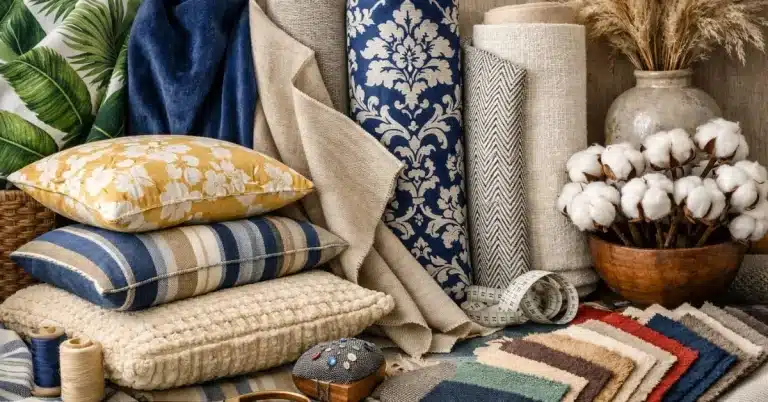
Floral patterns on throw pillows, curtains, table runners, bedding, and upholstery bring botanical motifs into a room’s soft furnishings. These elements are easy to swap seasonally without major decorating changes.
Floral Decor by Room
Living Room
In the living room, floral decor anchors the space without overpowering it. A single large arrangement on a coffee table or console creates a strong focal point. Pair with neutral surroundings — white walls, linen sofas — to let the flowers stand out. Dried pampas grass in a tall floor vase is a current favorite for its texture and scale.
Dining Room
Dining table centerpieces are the most traditional form of floral home decor. Low, wide arrangements work best because they don’t block eye contact across the table. For everyday use, a simple bud vase cluster (three to five small vases at different heights) is both practical and visually dynamic.
Bedroom
Floral decor in the bedroom should feel calm, not busy. A small vase of lavender or eucalyptus on a nightstand adds fragrance alongside visual appeal. Dried floral wall hangings above the bed have gained significant popularity as an alternative to traditional headboard art.
Entryway
The entryway sets the tone for the rest of the home. A statement arrangement — bold blooms in a sculptural vase — makes an immediate impression. Rotate this seasonally: tulips in spring, sunflowers in summer, dried leaves in fall, and white amaryllis in winter.
Bathroom
Fresh flowers in the bathroom are underused but highly effective. Humidity benefits cut stems, extending their lifespan. A small eucalyptus bundle hung from the showerhead is a popular low-cost option that also releases a mild natural scent.
Comparison Table: Fresh vs. Dried vs. Silk Floral Decor
| Feature | Fresh Flowers | Dried Florals | Silk/Artificial |
|---|---|---|---|
| Lifespan | 5–14 days | 1–3 years | Indefinite |
| Maintenance | High (water, trimming) | Low (dusting) | Low (dusting) |
| Cost (ongoing) | $15–$80/week | $20–$100 one-time | $25–$200+ one-time |
| Fragrance | Yes (natural) | Mild to none | None |
| Allergy Risk | Possible (pollen) | Low | None |
| Realism | Highest | High (textural) | Variable (quality-dependent) |
| Best Style Fit | All styles | Boho, farmhouse, cottagecore | All styles |
| Sustainability | Biodegradable | Biodegradable | Plastic waste concern |
How to Style Floral Decor: Best Practices
Choose the right vase. The vase shape affects how the arrangement reads. Tall cylinder vases suit stems with long branches like protea or cherry blossom. Wide-mouth vases work for round, full blooms like peonies and hydrangeas. Bud vases are ideal for single stems or minimalist displays.
Use the rule of three. Group floral elements in odd numbers — three vases, five dried stems, or seven branches — for a natural, balanced look.
Match scale to the room. A small bud vase gets lost on a large console. Use arrangements proportional to the surface and room size.
Repeat a color. Pull one floral color from the arrangement and echo it in a nearby pillow, throw, or artwork. This ties the display into the broader room palette.
Rotate seasonally. Swapping florals four times a year (spring tulips, summer dahlias, fall chrysanthemums, winter amaryllis or magnolia) keeps a space feeling fresh without redecorating.
Floral Home Decor Trends (2024–2025)
- Dried maximalism: layering multiple dried varieties — pampas, bunny tail grass, protea, lotus pods — in large arrangements
- Terracotta and earth-tone vases: replacing white ceramics as the dominant vessel color
- Pressed flower frames: framed pressed botanicals as wall art, particularly in cottagecore and vintage-inspired rooms
- Monochromatic arrangements: single-color bouquets (all white, all blush, all deep burgundy) for a modern, editorial look
- Oversized floor arrangements: tall pampas or branches in floor-level vases replacing traditional potted plants
Cost Breakdown: Floral Home Decor Budget Guide
| Budget Level | What You Get |
|---|---|
| Under $30 | Grocery store fresh bouquet or basic dried lavender bundle |
| $30–$75 | Quality silk arrangement or mid-range dried floral display |
| $75–$150 | Premium fresh arrangement or professional dried floral bundle |
| $150–$300 | Custom silk or preserved floral arrangement from a specialty retailer |
| $300+ | Custom fresh weekly delivery service or designer silk installations |
6. Conclusion
Floral home decor is one of the most flexible and impactful tools in interior design. A single well-placed arrangement changes how a room feels. The best approach depends on your lifestyle: fresh flowers for impact and fragrance, dried botanicals for longevity and texture, silk arrangements for permanence and low maintenance. Start with one room, one vase, and one seasonal rotation — then build from there.
7. FAQ Section
Q1: What is the longest-lasting floral home decor option?
High-quality silk flower arrangements last indefinitely and require only occasional dusting to maintain their appearance.
Q2: What flowers work best for home decor arrangements?
Peonies, hydrangeas, roses, eucalyptus, and dahlias are the most versatile choices, working across multiple interior styles and vase types.
Q3: How do I keep fresh flowers alive longer in a vase?
Trim stems at a 45-degree angle, change the water every two days, keep flowers away from direct heat and sunlight, and use a floral preservative packet.
Q4: Is dried floral decor still in style?
Yes — dried pampas grass, protea, and eucalyptus remain among the most searched home decor items in the U.S. as of 2024–2025, particularly in boho and farmhouse interiors.
Q5: What vase color works with the most floral arrangements?
White ceramic and clear glass are the most universally compatible vase options, complementing nearly every flower color and interior style.

As an admin, with a passion for transforming spaces and a sharp eye for design trends, I created Interior Design Style Quiz to help homeowners make confident, informed decisions about their homes from the curb all the way inside.