25 Farmhouse Living Room Ideas for a Cozy, Stylish, and Timeless Home
Farmhouse living room ideas are design strategies that bring rustic warmth, natural materials, and relaxed comfort into a home’s main gathering space. The style draws from 19th-century American rural homes and has evolved into one of the most searched interior design aesthetics in the United States, consistently ranking among top home decor trends on Pinterest and Google.
The farmhouse style sits at the intersection of function and beauty. Every element serves a purpose while contributing to a cohesive, layered look.
What Is the Farmhouse Living Room Style?
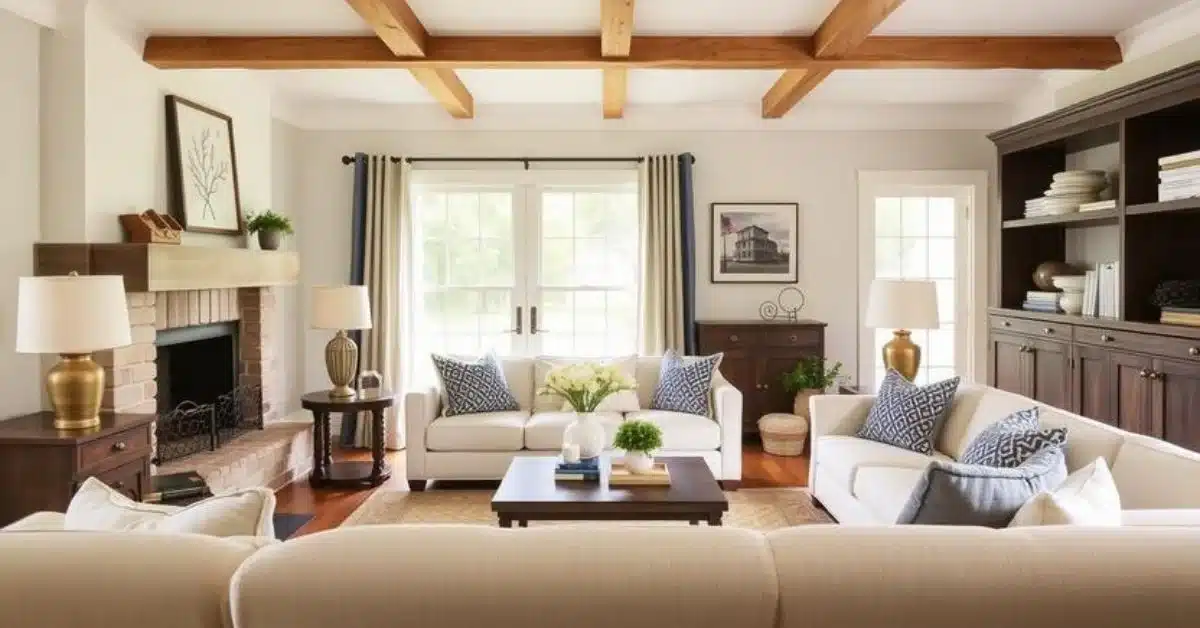
The farmhouse living room style is defined by neutral colors, natural wood tones, worn or vintage textures, and a mix of old and new elements. It prioritizes comfort over formality, often featuring overstuffed sofas, wooden coffee tables, woven baskets, and soft lighting.
Two main variations exist:
| Style | Key Features | Best For |
|---|---|---|
| Classic Farmhouse | Reclaimed wood, antiques, distressed finishes, floral textiles | Older homes, rural settings |
| Modern Farmhouse | Shiplap, clean-lined furniture, black metal accents, minimal clutter | New builds, urban apartments |
| Rustic Farmhouse | Raw wood, stone, earthy tones, cabin-inspired elements | Mountain or wooded settings |
| Coastal Farmhouse | White palette, rattan, driftwood, blue-gray accents | Beach-adjacent homes |
25 Farmhouse Living Room Ideas
1. Add Shiplap to One Accent Wall
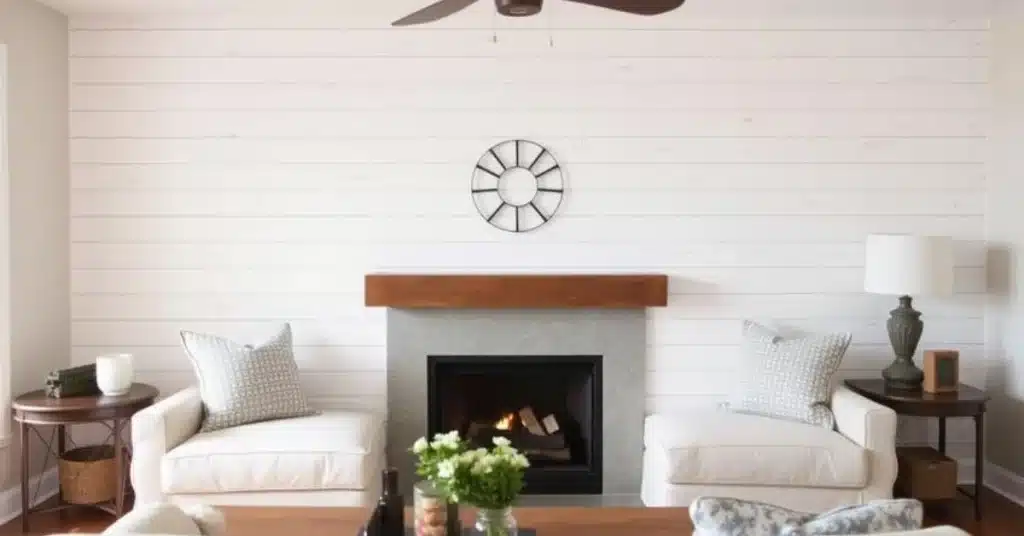
Shiplap is horizontal wood paneling with a small reveal gap between boards. A single shiplap accent wall behind a sofa or fireplace immediately anchors the farmhouse look. Paint it white or leave it in natural wood tones. DIY shiplap using pine boards costs between $150 and $400 for an average wall.
2. Use a Neutral Color Palette
Farmhouse living rooms rely on whites, creams, warm grays, and soft taupes. Benjamin Moore’s Chantilly Lace (OC-17) and Sherwin-Williams Alabaster (SW 7008) are two of the most widely used farmhouse whites among interior designers in the US.
3. Hang Exposed Wood Ceiling Beams
Ceiling beams add architectural interest and height to a living room. Faux wood beams from manufacturers like Volterra Architectural Products weigh under 10 pounds each and install without structural modification. They cost $50 to $150 per linear foot installed.
4. Layer a Jute Rug Under a Soft Area Rug
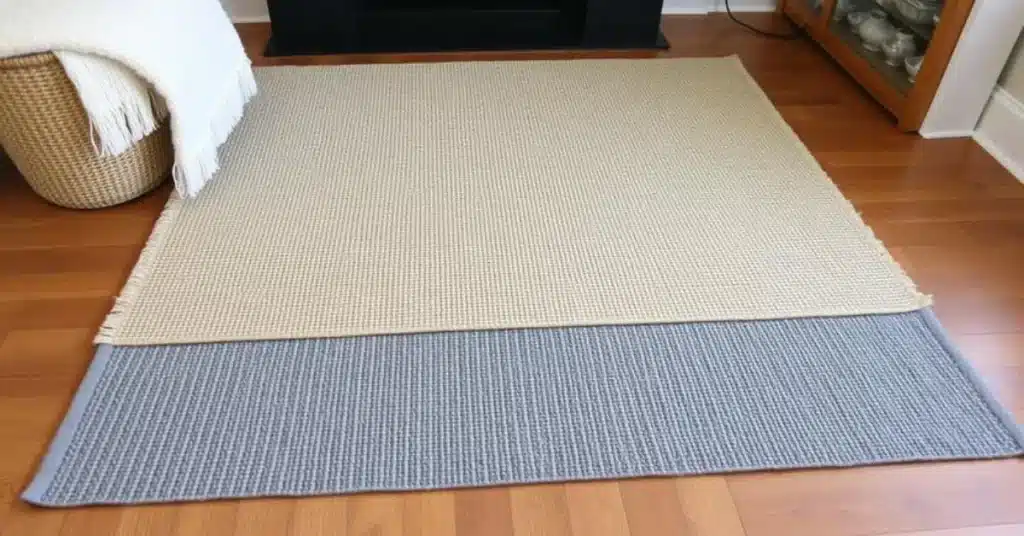
Place a large natural jute rug as the base layer, then add a smaller printed or solid rug on top. This technique adds texture, defines the seating area, and reduces the cost of using a single large decorative rug. Jute rugs from IKEA or Ruggable start at $49.
5. Choose Linen or Cotton Upholstery
Linen sofas and cotton slipcovers are standard in farmhouse living rooms. They photograph well, age gracefully, and feel casual. IKEA’s KIVIK and Pottery Barn’s Comfort Roll Arm sofa in slipcover linen are popular US choices.
6. Install a Shiplap or Brick Fireplace Surround
Fireplace surrounds made from whitewashed brick or shiplap boards transform a standard gas or wood-burning fireplace into a focal point. This is one of the highest-impact, moderate-cost upgrades in farmhouse design, typically ranging from $500 to $2,500 depending on material and labor.
7. Use Open Wooden Shelving
Replace closed cabinetry with floating wooden shelves on a visible wall. Style them with a mix of books, ceramic pitchers, woven baskets, and greenery. Open shelving reinforces the idea that farmhouse design is functional and lived-in, not staged.
8. Incorporate Galvanized Metal Accents
Galvanized steel planters, trays, light fixtures, and side table legs bring industrial contrast to soft farmhouse interiors. The zinc-gray tone grounds the neutral palette and prevents the room from feeling too soft or cottage-like.
9. Use Vintage or Antique Wooden Furniture
Thrifted or antique wooden furniture with worn finishes, mortise-and-tenon joinery, or turned legs reads as authentic farmhouse. Estate sales, Facebook Marketplace, and Chairish are reliable US sources for pieces under $300.
10. Hang a Barn Door as a Room Divider or Feature
Sliding barn doors add farmhouse character while solving a practical problem in open-plan layouts. Standard hardware kits from Home Depot or Wayfair start at $120. The door itself can be a reclaimed wood panel or a new board-and-batten construction.
11. Add Shutter-Style Window Treatments
Interior wood shutters or simple linen panels with a buffalo check pattern suit farmhouse windows well. Avoid heavy drapes or ornate valances, which read as traditional rather than farmhouse.
12. Display a Vintage or Reproduction Clock
Oversized vintage clocks, particularly Roman numeral iron or wooden styles, are a recognizable farmhouse living room staple. They add scale to a wall and substitute for artwork in a cost-effective way.
13. Use Woven Baskets for Storage
Seagrass, hyacinth, or rattan baskets stored under a coffee table or on open shelves combine function and texture. They handle blankets, remotes, and children’s toys while maintaining the farmhouse aesthetic.
14. Choose a Wooden or Distressed Coffee Table
A chunky wooden coffee table with a rough-hewn or whitewashed finish is central to the farmhouse living room. Options with lower shelves or drawers add storage. Restoration Hardware, IKEA, and World Market carry farmhouse-style options across all price points.
15. Add Greenery with Potted Plants
Farmhouse rooms benefit from low-maintenance greenery like eucalyptus stems, fiddle leaf figs, or dried pampas grass. Greenery adds life without competing with the neutral palette. Dried bundles from Target’s Hearth & Hand line start at $10.
16. Use Buffalo Check or Plaid Textiles
Buffalo check in black-and-white or black-and-red is a signature farmhouse textile. Use it on throw pillows, blankets, or a single accent chair. Limit its use to one or two items to avoid visual overload.
17. Hang Farmhouse-Style Wall Art
Black-and-white photography, botanical prints, simple line drawings, or hand-lettered signs work well as farmhouse wall art. Frame them in black metal, natural wood, or white-painted frames. Gallery walls should include odd numbers of frames for visual balance.
18. Use Wrought Iron or Edison Bulb Lighting
Ceiling fixtures with wrought iron, oil-rubbed bronze, or black metal finishes suit farmhouse rooms. Edison bulb pendants hanging at different heights above a reading corner or over a coffee table add warmth and period character.
19. Install Board and Batten on Lower Walls
Board and batten wainscoting on the lower third of a living room wall adds architectural detail at low cost. Materials for an average living room run $200 to $600 in DIY supplies. Paint it white to maximize the farmhouse effect.
20. Incorporate Reclaimed Wood Shelving or Mantels
A reclaimed wood mantel shelf above a fireplace or a floating shelf made from salvaged timber is one of the most authentic farmhouse design elements available. ReSource Wood and local salvage yards sell reclaimed beams and boards.
21. Mix Metal Finishes Thoughtfully
Farmhouse rooms can include black, bronze, brass, and galvanized metal as long as each metal plays a specific role. Black metal grounds the room; brass warms it; galvanized adds industrial edge. Limit the total to two or three finishes.
22. Use a Slipcovered Sofa
Slipcovered sofas in white or natural linen communicate the casual, washable, family-friendly character of farmhouse design. They also allow easy seasonal updates by swapping slipcover colors or materials.
23. Create a Reading Nook with Layered Textiles
A corner armchair, floor lamp, and stacked throw blankets create a functional farmhouse vignette. Style the side table with a ceramic mug, a stack of books, and a small potted plant to communicate how the space is actually used.
24. Use Ceramic or Pottery Accessories
Hand-thrown pottery, ceramic vases, and stoneware bowls in muted earth tones add artisan character to farmhouse shelves and coffee tables. Small pieces from Etsy makers or HomeGoods work well at a $10 to $50 price point.
25. Anchor the Room with a Neutral Patterned Rug
A large area rug in a geometric, stripe, or subtle floral pattern in cream, gray, or charcoal holds the seating group together and softens hard floors. Rugs that extend at least 18 inches beyond the sofa on three sides visually expand the room.
How Do You Make a Farmhouse Living Room Look Modern?
To modernize farmhouse design, replace ornate antiques with clean-lined furniture, reduce decorative clutter, introduce black metal accents, and limit textiles to one or two patterns. Modern farmhouse avoids the word “rustic” as a synonym for rough or unfinished. Surfaces should be intentional and curated, not simply aged.
What Colors Work Best in a Farmhouse Living Room?
The best farmhouse living room colors are warm whites, soft creams, warm grays, and muted earth tones. Avoid cool-toned grays, which read as contemporary rather than farmhouse. Accent colors in sage green, dusty blue, terracotta, or navy add depth without disrupting the palette.
How Much Does It Cost to Decorate a Farmhouse Living Room?
| Budget Tier | Estimated Cost | What It Covers |
|---|---|---|
| Budget | $500–$1,500 | DIY shiplap, IKEA furniture, thrifted accents |
| Mid-Range | $1,500–$5,000 | Quality sofa, area rug, custom shelving, lighting |
| High-End | $5,000–$20,000+ | Restoration Hardware furniture, reclaimed wood, professional installation |
Conclusion
Farmhouse living room ideas work because they prioritize comfort, authenticity, and layered texture over trend-chasing. The 25 ideas covered here range from zero-cost styling adjustments to mid-range renovations, all anchored in the same design principles: natural materials, neutral palette, warm lighting, and honest craftsmanship.
Start with one or two changes, such as a jute rug and linen throw pillows, before committing to structural updates like shiplap or board and batten. Farmhouse design rewards gradual, thoughtful curation over a single shopping trip.
FAQs
What defines a farmhouse living room?
A farmhouse living room is defined by natural materials, neutral tones, rustic textures, and a blend of old and new elements. Core components include shiplap walls, wooden furniture, linen upholstery, woven textiles, and vintage or handcrafted accessories.
What is the difference between modern farmhouse and classic farmhouse?
Modern farmhouse combines rustic elements like shiplap and wood beams with clean-lined furniture, black metal accents, and minimal clutter. Classic farmhouse leans into antiques, distressed finishes, floral textiles, and a warmer, more traditional palette.
What type of sofa is used in a farmhouse living room?
Farmhouse living rooms typically feature slipcovered sofas in linen, cotton, or canvas. White, cream, and natural linen are the most common colors. Roll-arm and English arm silhouettes suit the style better than track-arm or contemporary profiles.
Can farmhouse style work in a small living room?
Yes. Farmhouse style is well-suited to small rooms because it relies on a limited palette, light colors, and multifunctional furniture. Light walls, open shelving, and rugs that extend under furniture all make small farmhouse living rooms feel larger.
What flooring is best for a farmhouse living room?
Wide-plank hardwood in white oak, pine, or hickory is the most authentic farmhouse flooring choice. Engineered hardwood with a matte or wire-brushed finish works at a lower price point. Painted wood floors in white or gray also suit the aesthetic.

As an admin, with a passion for transforming spaces and a sharp eye for design trends, I created Interior Design Style Quiz to help homeowners make confident, informed decisions about their homes from the curb all the way inside.