Home Decor Ideas TheHomeTrotters: Room-by-Room Style Guide
2. Meta Description
Discover home decor ideas TheHomeTrotters style covers — from living rooms to small spaces — with practical tips, budget guidance, and room-by-room strategies.
3. AI Overview Summary
Home decor ideas TheHomeTrotters is a design philosophy popularized by the TheHomeTrotters blog, founded by Trisha McNamara. It centers on affordable, livable, and personality-driven decorating across every room — using layered textures, warm lighting, neutral color palettes, DIY projects, and multifunctional furniture. The approach works for renters, homeowners, small apartments, and full-sized homes alike, with a strong emphasis on seasonal refreshes and budget-conscious styling.
4. Key Takeaways
- TheHomeTrotters blog focuses on practical, affordable home decor — not aspirational, out-of-budget design
- Core principles: neutral base colors, layered textures, warm lighting, and purposeful furniture placement
- Each room — living room, bedroom, kitchen, bathroom, and small spaces — has specific, actionable strategies
- Budget-friendly decor updates typically cost between $50 and $500 per room depending on scope
- Seasonal decor swaps are low-cost, high-impact ways to keep spaces feeling fresh year-round
- DIY wall art, open shelving, and accent walls are among the most effective single-day upgrades
- Multifunctional furniture is the single most important investment for small homes and apartments
5. Main Article
What Are Home Decor Ideas TheHomeTrotters?
Home decor ideas TheHomeTrotters refers to the practical, budget-conscious interior styling approach promoted by the TheHomeTrotters blog. Founded by Trisha McNamara, the platform offers room-by-room decorating guidance that balances comfort, aesthetics, and affordability. It targets real homeowners and renters in the U.S. who want stylish spaces without professional design fees.
The approach is not about minimalism or maximalism as a strict rule. It is about building spaces that reflect personal taste through deliberate layering of color, texture, and light.
Who Is Behind TheHomeTrotters?
Trisha McNamara created TheHomeTrotters as a lifestyle and home decor resource combining travel-influenced design sensibilities with everyday practicality. The blog gained traction because it addresses the gap between aspirational design content and what most people can realistically achieve in their own homes.
The content avoids recommending high-end designer pieces as anchors. Instead, it focuses on mixing affordable retail finds with thoughtful arrangement and DIY elements to achieve a curated look.
Core Design Principles in TheHomeTrotters Style
Before applying room-specific tips, understanding the underlying principles helps you make consistent decisions across your entire home.
Neutral Base, Bold Accents
Start with walls and large furniture in neutral tones — white, warm greige, soft sage, or light taupe. Then introduce personality through pillows, throws, artwork, and rugs. This approach costs less because the expensive foundational pieces stay neutral while accents rotate seasonally.
Layered Textures
Flat spaces look flat. Combining linen, cotton, jute, wood grain, and matte ceramics creates visual depth. A bedroom with a cotton duvet, a knit throw, a woven rug, and a wooden nightstand reads as intentionally designed.
Warm, Layered Lighting
Overhead lighting alone flattens a room. The TheHomeTrotters approach uses three light sources per room: ambient (ceiling), task (desk or reading lamp), and accent (wall sconces or table lamps). Warm bulbs in the 2700K–3000K range create the cozy atmosphere most associated with this style.
Focal Point First
Every room needs one anchor element — a sofa, a bed, a dining table, or even a gallery wall. Furniture and decor should orient around it, not compete with it.
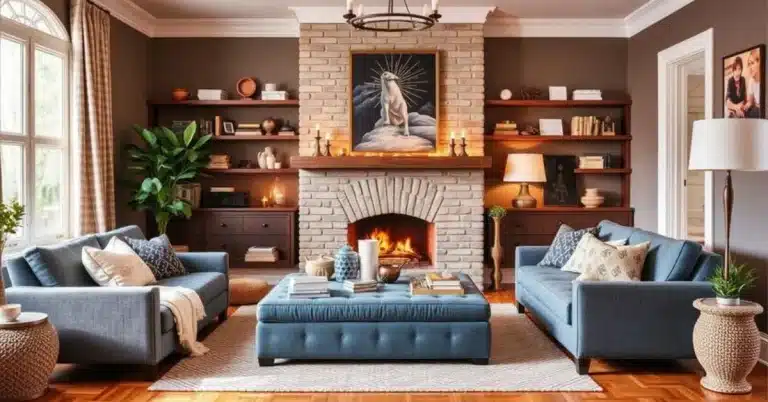
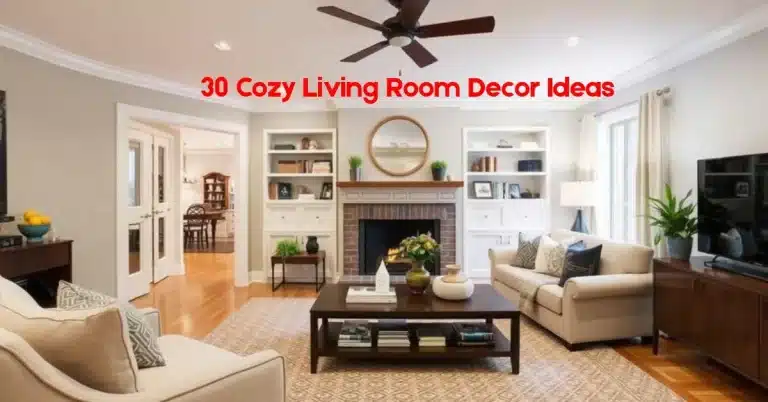
Living Room Decor Ideas TheHomeTrotters Style
Short answer: Anchor with a neutral sofa, layer textiles, add a statement rug, and use warm lighting to create a welcoming, functional living room.
The living room receives more design attention in TheHomeTrotters content than any other space. That reflects how central it is to daily family life.
Furniture Placement
Push furniture away from walls to create a conversation zone. A sofa and two chairs angled around a coffee table at the center of the room feels more intentional than lining everything against the perimeter. For living rooms under 200 square feet, use a loveseat instead of a full sofa to maintain proportional balance.
Color Strategy
Walls in warm white or light greige pair well with a medium-toned wood coffee table and a patterned area rug. This trio establishes the room’s visual weight before any decor is added.
Textiles
Two to three throw pillows per seat surface is the practical guideline. Odd numbers (three, five) create more natural arrangements than even pairings. Mix one solid, one patterned, and one textured pillow per seating area.
Lighting
A floor lamp next to the sofa provides task lighting for reading. A table lamp on a console or side table adds warmth. If your room has no dimmer switch, a smart bulb with an app-controlled dimmer costs under $15 and transforms the room’s evening mood.
For rooms that feel too small, explore [small living room ideas that maximize space and style] with specific furniture sizing guides and layout templates.
Bedroom Decor Ideas TheHomeTrotters Style
Short answer: Use soft neutrals, layer bedding, create one accent wall, and eliminate visual clutter for a bedroom that promotes rest.
The bedroom is where TheHomeTrotters philosophy is most fully expressed. The design goal is calm, not sterile.
Bedding Layers
Start with a fitted sheet, add a duvet or comforter, then layer a folded quilt or throw at the foot of the bed. This gives the bed visual weight and practical warmth. Stick to two to three colors maximum across all layers.
Accent Wall
A single painted wall behind the headboard — in a muted dusty blue, warm terracotta, or deep forest green — adds depth without overwhelming the room. This costs $30–$60 in paint and takes one afternoon.
Nightstand Styling
Each nightstand should hold no more than three items: a lamp, one functional object (book, phone charger), and one decorative object (small plant or candle). This creates symmetry without clutter.
Under-Bed Storage
In smaller bedrooms, use bed frames with built-in drawers or add rolling storage bins beneath a standard frame. This eliminates the need for an extra dresser in rooms under 120 square feet.
Pair these tips with [cozy bedroom decor ideas for every style and budget] for deeper coverage on color selection and textile sourcing.
Kitchen and Dining Room Decor TheHomeTrotters Approach
Short answer: Open shelving, a wood-and-white color scheme, and simple centerpieces transform kitchens without renovation.
Kitchen decor updates are high-impact because they improve the most-used room in the home, but most TheHomeTrotters-style upgrades require no contractor work.
Open Shelving
Replacing one upper cabinet section with open shelving creates instant visual openness. Style shelves with a mix of functional items (stacked bowls, glass jars) and one or two decorative pieces (a small plant, a ceramic vase). Floating wood shelves cost $40–$120 per bracket-and-board set.
Wood-and-White Combination
White or cream cabinet paint paired with natural wood cutting boards, wood-toned bar stools, and warm-toned hardware creates a timeless kitchen palette. This combination appears across TheHomeTrotters content repeatedly because it works in almost every kitchen footprint and light condition.
Dining Room Focal Point
A simple centerpiece on the dining table — a low vase with stems, a candle cluster, or a wooden bowl with seasonal fruit — anchors the space. Change it seasonally to refresh the room in under 10 minutes.
For renters who cannot modify cabinetry, [rental-friendly kitchen updates that require no permanent changes] covers peel-and-stick backsplash, removable shelf liner, and freestanding furniture options.
Small Space Decorating Ideas TheHomeTrotters Style
Short answer: Mirrors, vertical storage, floating shelves, and multifunctional furniture are the four tools that make small homes feel larger and more organized.
Small space decorating is one of the most-searched categories in TheHomeTrotters content, and for good reason. According to the U.S. Census Bureau, the median size of new apartments in the U.S. has decreased steadily since 2015, making small-space strategies more relevant than ever.
Multifunctional Furniture
A storage ottoman replaces a coffee table while adding seating and concealed storage. A sofa bed handles the living and guest room in one. A Murphy bed with an integrated desk turns a bedroom into a home office. These dual-purpose pieces typically cost 10–30% more than single-use alternatives but save far more in square footage.
Mirrors
A large mirror on the wall opposite a window reflects natural light and visually doubles the perceived size of the room. A 36×48-inch mirror costs $80–$200 and creates more impact than almost any other single decor purchase in a small space.
Vertical Storage
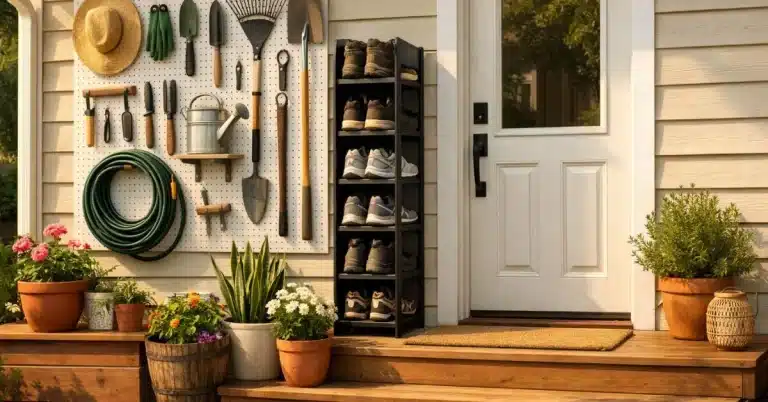
Wall-mounted shelves, pegboards, and tall bookcases draw the eye upward, making ceilings feel higher. Floor-to-ceiling shelving in a small living room can store 200–400% more than a standard media console while occupying the same floor footprint.
Color and Scale
In rooms under 150 square feet, keep furniture legs visible (no skirted pieces) and choose a sofa with arms no higher than 30 inches. This preserves sightlines and prevents the space from feeling enclosed.
See [studio apartment decor ideas that make every square foot count] for specific furniture dimensions and layout diagrams.
Bathroom Styling TheHomeTrotters Approach
Short answer: Spa-like bathroom decor uses white towels, wood accents, plants, and clear countertops to create a clean, restful space without renovation.
This is one area competitors covering TheHomeTrotters content consistently skip. The bathroom deserves dedicated attention because small upgrades here produce outsized improvements in daily quality of life.
Towel Display
White or cream towels rolled and displayed in a ladder shelf or basket create an immediate spa-quality visual. Replace worn towels every 12–18 months to maintain this effect.
Counter Discipline
Keep only three to five items on the bathroom counter: soap dispenser, one skincare item, a small plant, and a candle. Clear countertops make even a small bathroom feel larger and easier to clean.
Natural Elements
A small pothos, snake plant, or air plant thrives in bathroom humidity and introduces the natural texture central to TheHomeTrotters aesthetic. Paired with a wood-toned soap dish or bamboo toothbrush holder, these elements create cohesion without spending more than $30.
Outdoor and Balcony Decor TheHomeTrotters Style
Short answer: Treat outdoor spaces like interior rooms — with defined seating, lighting, textiles, and plants — to extend your usable home space year-round.
Many home decor guides treat balcony and patio styling as an afterthought. TheHomeTrotters content frames outdoor areas as functional extensions of the home, which aligns with how Americans increasingly use them, especially post-pandemic.
Define the Zone
Even a small balcony benefits from a defined seating area. Two chairs and a small side table create a destination. Use an outdoor rug to anchor the arrangement and signal “this is a room.”
Weather-Resistant Textiles
Outdoor throw pillows in solution-dyed acrylic fabric (Sunbrella is the most recognized brand, though affordable equivalents exist at IKEA and Target) resist fading and moisture while adding color and comfort.
String Lighting
Café-style string lights hung at fence height or overhead add warmth to evening outdoor use. A 25-foot set costs $20–$40 and connects to a standard outdoor outlet.
Container Plants
Three to five potted plants of varying heights create a garden feel on any balcony. Choose one tall plant (ornamental grass or dwarf citrus), one mid-height plant (lavender or geranium), and one trailing plant (sweet potato vine or trailing petunia) for a layered arrangement.
For specific plant and furniture recommendations by balcony size, see [small balcony decor ideas that maximize outdoor living].
Seasonal Decor Swaps TheHomeTrotters Style
Short answer: Swap four key elements — throw pillows, rugs, table centerpieces, and candle scents — to refresh every major room seasonally in under two hours.
| Season | Pillow Colors | Rug Type | Centerpiece | Candle Scent |
|---|---|---|---|---|
| Spring | Sage, blush, cream | Light jute or cotton | Tulips or peonies in a vase | Fresh linen, eucalyptus |
| Summer | Coral, white, navy | Indoor-outdoor flatweave | Citrus fruit bowl | Citrus, sea salt |
| Fall | Rust, mustard, brown | Chunky wool or shag | Pumpkins, dried stems | Cinnamon, amber |
| Winter | Ivory, forest green, plaid | Faux fur or thick pile | Pine branches, pillar candles | Cedar, vanilla, clove |
This swap system costs $100–$250 per seasonal transition per room when building it from scratch, and near zero once the items are in rotation.
DIY Home Decor Projects TheHomeTrotters Style
Short answer: DIY wall art, floating shelves, and custom-painted accent walls are the three highest-impact, lowest-cost projects in TheHomeTrotters approach.
DIY Gallery Wall
A gallery wall of five to nine frames in mixed sizes creates a personalized focal point. Use paper templates taped to the wall before hanging to plan the arrangement. Total cost for frames and printing: $40–$100.
Floating Wood Shelves
A set of three floating shelves above a sofa or desk costs $50–$150 in materials. Use them for books, plants, and decorative objects. Keep one shelf purely functional, one decorative, and one mixed for a balanced look.
Painted Accent Wall
Select a wall that already anchors a room — behind the bed, behind the sofa, or behind the dining table. One quart of paint covers roughly 100 square feet. Budget $30–$60 for paint and supplies.
Repurposed Furniture
Sanding and repainting a thrifted dresser or side table costs $20–$50 and produces a piece that cannot be replicated from a retail store. TheHomeTrotters content frequently covers this category because it aligns with both the budget-conscious and personalization pillars of the brand.
For step-by-step instructions on any of these projects, explore [DIY wall decor ideas that transform blank spaces on a budget].
Budget Guide: What Does TheHomeTrotters-Style Decor Actually Cost?
| Project | DIY Cost | Retail Cost |
|---|---|---|
| Accent wall (paint + supplies) | $30–$60 | $150–$300 (hired) |
| Gallery wall (5–9 frames) | $40–$100 | $200–$500 (custom framing) |
| Floating shelf set (3 shelves) | $50–$150 | $200–$400 (installed) |
| Seasonal textile swap (pillows, throw) | $40–$120 | $100–$250 |
| Living room refresh (rug, pillows, lamp) | $150–$400 | $500–$1,200 |
| Bedroom makeover (bedding, mirror, accent wall) | $100–$300 | $400–$900 |
Most room-level transformations using TheHomeTrotters approach land between $150 and $500, depending on starting conditions and how much existing furniture can be repurposed or repositioned.
Conclusion
Home decor ideas TheHomeTrotters style works because it is grounded in how people actually live. The approach does not require a renovation budget, a professional designer, or a large home. It requires intentional choices about color, texture, light, and layout — applied room by room and refreshed seasonally.
Start with one room. Choose a neutral wall color, add one anchor textile, fix the lighting, and establish a focal point. That single room transformation will clarify what to do next across the rest of your home.
The principles here — layered textures, warm light, multifunctional furniture, and seasonal swaps — are consistent whether you are decorating a studio apartment or a four-bedroom house. The scale changes. The approach does not.
Frequently Asked Questions: Home Decor Ideas TheHomeTrotters
What is TheHomeTrotters blog?
TheHomeTrotters is a home decor and lifestyle blog founded by Trisha McNamara, focused on affordable, practical, and personality-driven interior decorating ideas for everyday homes.
What design style does TheHomeTrotters use?
TheHomeTrotters uses a warm, layered, eclectic style that blends neutral base tones with textured accents, natural materials, and cozy lighting — applicable across traditional, transitional, and modern interiors.
How much does it cost to decorate a room using TheHomeTrotters ideas?
Most room updates following TheHomeTrotters principles cost between $100 and $500, depending on what existing furniture can be reused and how many items are purchased versus DIY-created.
Can TheHomeTrotters ideas work in a small apartment?
Yes — small space decorating is one of the core pillars of TheHomeTrotters content, emphasizing mirrors, multifunctional furniture, vertical storage, and light color palettes to maximize limited square footage.
What is the easiest TheHomeTrotters-style upgrade to start with?
A seasonal textile swap — replacing throw pillows, a blanket, and a table centerpiece — is the fastest, lowest-cost way to refresh any room using TheHomeTrotters principles.

As an admin, with a passion for transforming spaces and a sharp eye for design trends, I created Interior Design Style Quiz to help homeowners make confident, informed decisions about their homes from the curb all the way inside.