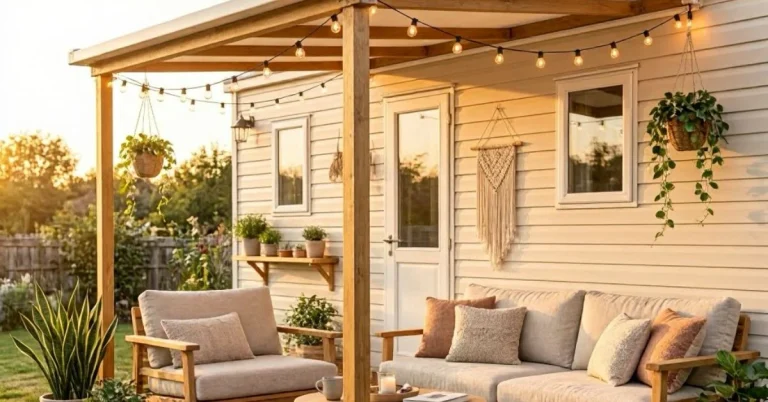
10 Cozy Home Decor Ideas to Make Every Room Feel Warm and Inviting
Cozy home decor focuses on creating warm, inviting spaces through layered textiles, warm lighting, natural materials, and personal touches. The most effective cozy decor ideas include adding throw blankets and pillows, using soft amber lighting, incorporating wooden accents, displaying meaningful objects, and choosing warm earth-tone color palettes. These strategies work in any room living room, bedroom, or kitchen and suit all budgets.
What Is Cozy Home Decor?
Cozy home decor is the intentional design practice of making a living space feel warm, comfortable, and emotionally inviting. It draws from concepts like the Scandinavian idea of hygge a philosophy centered on comfort, togetherness, and simplicity and applies them across every room in the home.
According to Zillow’s 2025 Home Trends Report, listings that mention a “cozy” atmosphere have increased by 35 percent year over year, reflecting a growing desire for homes that feel like genuine sanctuaries. Interior designers consistently name warmth as the defining word of 2025 home decor a shift from cool, sterile aesthetics toward lived-in, layered spaces that prioritize comfort as much as style.
Whether you are decorating a studio apartment or a full family home, the following 25 ideas cover every room, every budget, and every style preference.
1. Layer Textiles for Instant Warmth
Textiles are the fastest, most affordable way to make any space feel cozier. The key is layering — combining different textures at different heights to create visual and tactile depth.
Throw Blankets
Drape a chunky knit or faux-fur throw over a sofa arm or the foot of a bed. Use at least two different textures in the same neutral palette for a layered, curated look rather than a cluttered one.
Decorative Pillows
Combine solid, patterned, and textured pillows in groups of odd numbers (3 or 5). Mix linen, velvet, and woven materials. Stick to a palette of two to three colors for visual cohesion.
Area Rugs
An area rug anchors a seating arrangement and adds insulation both physical and visual. For a cozy living room, choose a rug large enough that all front legs of your furniture sit on it. Wool and jute are top material choices for warmth and texture.
2. Switch to Warm Lighting
Lighting has a bigger impact on how cozy a room feels than almost any other element. Overhead fluorescent or cool-white lighting (5000K+) makes rooms feel clinical. Warm lighting (2700K–3000K) makes them feel inviting.
- Replace cool bulbs with warm-white LEDs rated 2700K–3000K throughout the home.
- Add floor lamps and table lamps to create multiple light sources at eye level, reducing reliance on harsh overhead fixtures.
- Use candles real or flameless LED to add flickering warmth to tabletops and shelves.
- Layer lighting: ambient (overhead), task (reading lamp), and accent (candles or LED strips behind furniture).
Interior designers in 2025 recommend the “three-light rule”: every cozy room should have at least three separate light sources operating simultaneously at different heights.
3. Choose a Warm, Earthy Color Palette
Color sets the emotional temperature of a room. Cool grays and stark whites feel modern but can read as cold. Warm earthy tones creams, tans, caramel, rust, sage, and chocolate brown create the psychological sensation of warmth even in an unheated space.
Pantone’s 2025 Color of the Year, Mocha Mousse, exemplifies this shift: a chocolatey, grounded brown that pairs with creamy whites and warm terracotta to create deeply inviting rooms. For those not ready for a full repaint, add color through textiles, throw pillows, and decorative objects before committing to walls.
Cozy Color Palette Comparison
| Palette Style | Key Colors | Best For | Mood |
|---|---|---|---|
| Warm Neutrals | Cream, linen, sand, warm white | Any room, any style | Calm and timeless |
| Earth Tones | Rust, terracotta, caramel, sage | Living rooms, bedrooms | Grounded and inviting |
| Moody Darks | Forest green, navy, chocolate brown | Bedrooms, reading nooks | Intimate and enveloping |
| Cottagecore | Dusty rose, sage, butter yellow | Kitchens, dining rooms | Nostalgic and cheerful |
4. Bring In Natural Materials
Natural materials add organic texture and a sense of connection to the outside world, both of which contribute to a cozy atmosphere. They also age beautifully, developing character over time.
- Wood: Warm-toned woods like walnut, oak, and cherry work in furniture, picture frames, and decorative objects. Even small wooden accents a tray, a bowl, a side table make a space feel more grounded.
- Rattan and Wicker: Ideal for baskets, pendant lights, and accent chairs. They add warmth without visual weight.
- Linen and Cotton: Natural fiber textiles for curtains, throw covers, and bedding. Linen wrinkles naturally, adding relaxed, lived-in texture.
- Stone and Ceramic: Handmade ceramic mugs, stone coasters, and clay vases carry tactile warmth that manufactured plastics never replicate.
- Wool: Whether in a rug, a throw, or a cushion, wool is the gold standard of cozy textiles.
5. Cozy Living Room Decor Ideas
The living room is the anchor of cozy home decor it is where most layering, lighting, and gathering happens. Here are the highest-impact changes you can make.
Create a Focal Point
Every cozy living room needs a visual anchor a fireplace, a gallery wall, a large piece of art, or a statement bookshelf. Arrange seating to face it, drawing people into conversation and comfort.
Define the Seating Area with a Rug
A rug that is too small makes a room feel disconnected and sparse. Size up: all front legs of sofas and chairs should sit on the rug. A larger rug visually warms the entire space.
Add a Reading Nook
Even a single armchair tucked in a corner with a floor lamp and a small side table creates an intimate reading nook that adds enormous cozy appeal without additional square footage.
Style Your Bookshelf
Books are inherently cozy. A well-styled bookshelf mixing books with plants, candles, and small objects adds warmth, personality, and visual interest to a living room wall.
6. Cozy Bedroom Decor Ideas
A cozy bedroom prioritizes rest, calm, and sensory comfort. Every element should serve those goals.
- Layer your bedding with a fitted sheet, flat sheet, duvet, quilt, and at least one throw blanket for texture and warmth.
- Use blackout or linen curtains that pool slightly on the floor the extra length reads as luxurious and warm.
- Place a small tray on your nightstand with a candle, a book, and a plant. It turns a functional surface into an intentional vignette.
- Hang artwork low on the walls closer to bed height to create an intimate, enveloping feel rather than a tall, formal one.
- Add a bedside rug or runner so the first thing your feet touch each morning is something soft.
7. Cozy Kitchen and Dining Room Ideas
Kitchens and dining rooms are social spaces, and cozy decor here encourages people to linger. Small touches make a significant difference.
- Display a collection of mugs, ceramics, or cutting boards on open shelves visible organization that feels warm rather than sterile.
- Use cloth napkins instead of paper at the dinner table. They signal intention and care, which is the foundation of coziness.
- Add a small herb garden on a windowsill fresh basil, rosemary, or thyme adds greenery, scent, and the pleasure of living things.
- Swap harsh overhead lighting for a pendant lamp hung low over the dining table. It creates a warm, intimate pool of light during meals.
- Layer a table runner and a simple centerpiece candles, a vase, or a bowl of seasonal fruit to anchor the dining table as a cozy gathering space.
8. Cozy Home Decor on a Budget
Creating a cozy home does not require expensive furniture or a full renovation. The most impactful cozy upgrades cost very little.
| Upgrade | Estimated Cost | Impact |
|---|---|---|
| Swap bulbs to warm-white LEDs | $10–$25 | Very High |
| Add a throw blanket | $15–$40 | High |
| Buy candles or flameless LEDs | $10–$30 | High |
| Rearrange furniture toward focal point | Free | Very High |
| Thrift a wool or woven area rug | $20–$60 | High |
| Add a plant or dried botanicals | $5–$25 | Medium-High |
| Style a bookshelf or windowsill vignette | Free–$20 | Medium |
9. Engage More Than One Sense
True coziness is multisensory. Visual warmth is the foundation, but scent and sound elevate a space from aesthetically cozy to experientially cozy.
Scent
Candles, diffusers, and fresh flowers contribute enormously to how a home feels. Warm, grounding scents cedarwood, vanilla, amber, sandalwood, beeswax reinforce the visual coziness of a room. Avoid synthetic or overpowering fragrances; subtlety is more inviting.
Sound
Soft rugs, upholstered furniture, and heavy curtains absorb sound and reduce echo, making rooms feel quieter and more intimate. Hard floors and bare walls produce reverb that registers subconsciously as cold and formal.
10. Add Personal and Sentimental Touches
The most cozy homes are not showrooms they are lived-in, personal, and layered with meaning. Family photos in mismatched frames, a collection of objects gathered from travels, a grandmother’s quilt folded over a chair: these are the elements that create genuine emotional warmth.
Display books you have actually read. Hang art that means something to you. Keep a basket of things you use a favorite blanket, a dog toy, a journal. The evidence of a real life being lived is the single most powerful cozy design element available.
Conclusion
Creating a cozy home is less about any single purchase and more about a layered approach to warmth, light, and personal meaning. Start with lighting swap your bulbs and add a floor lamp. Add a throw blanket to your sofa. Display something that matters to you. Then build from there.
The rooms that feel most inviting are not those with the most expensive furniture; they are the ones where every element has been chosen with care and layered with intention. Whether you are working with a studio apartment or a large family home, the 25 ideas in this guide give you a complete roadmap for transforming any space into one you genuinely love coming home to.
Frequently Asked Questions
What is the most important element of cozy home decor?
Lighting is the single most impactful element. Switching from cool overhead lighting to warm-white bulbs (2700K–3000K) combined with multiple light sources at different heights transforms the atmosphere of any room immediately, at low cost.
How do I make a small room feel cozy without making it feel cramped?
Use warm colors on the walls to make surfaces feel closer together in a welcoming rather than claustrophobic way. Avoid oversized furniture and instead layer soft textiles a rug, throw pillows, and curtains to add warmth without bulk. Mirrors placed opposite a light source make small rooms feel larger while retaining the cozy atmosphere.
What colors make a home feel cozy?
Warm earth tones create the most cozy atmosphere: creams, warm whites, tans, caramel, rust, terracotta, and sage green. In 2025, Pantone’s Mocha Mousse a rich chocolatey brown is the defining cozy color. Avoid cool grays and bright whites, which read as clinical rather than inviting.
What is hygge and how does it relate to cozy home decor?
Hygge (pronounced “hoo-gah”) is a Danish and Norwegian concept that describes a feeling of coziness, contentment, and togetherness. In home decor, it translates to soft lighting, natural materials, simple pleasures like candles and warm drinks, and spaces designed for comfortable gathering. Cozy home decor in the U.S. draws heavily from hygge principles.
Can I create a cozy home on a tight budget?
Yes. The highest-impact cozy upgrades are among the least expensive: changing light bulbs, adding a throw blanket, rearranging furniture toward a focal point, and using candles. A genuinely cozy home is built through intentionality and layering, not through expensive purchases.

As an admin, with a passion for transforming spaces and a sharp eye for design trends, I created Interior Design Style Quiz to help homeowners make confident, informed decisions about their homes from the curb all the way inside.